Australia’s emergency alert test exposes a hidden detail in weather graph as AusAlert rollout nears
?s first nationwide test of its new AusAlert warning system is drawing fresh attention to the way emergency information appears on phones — including a
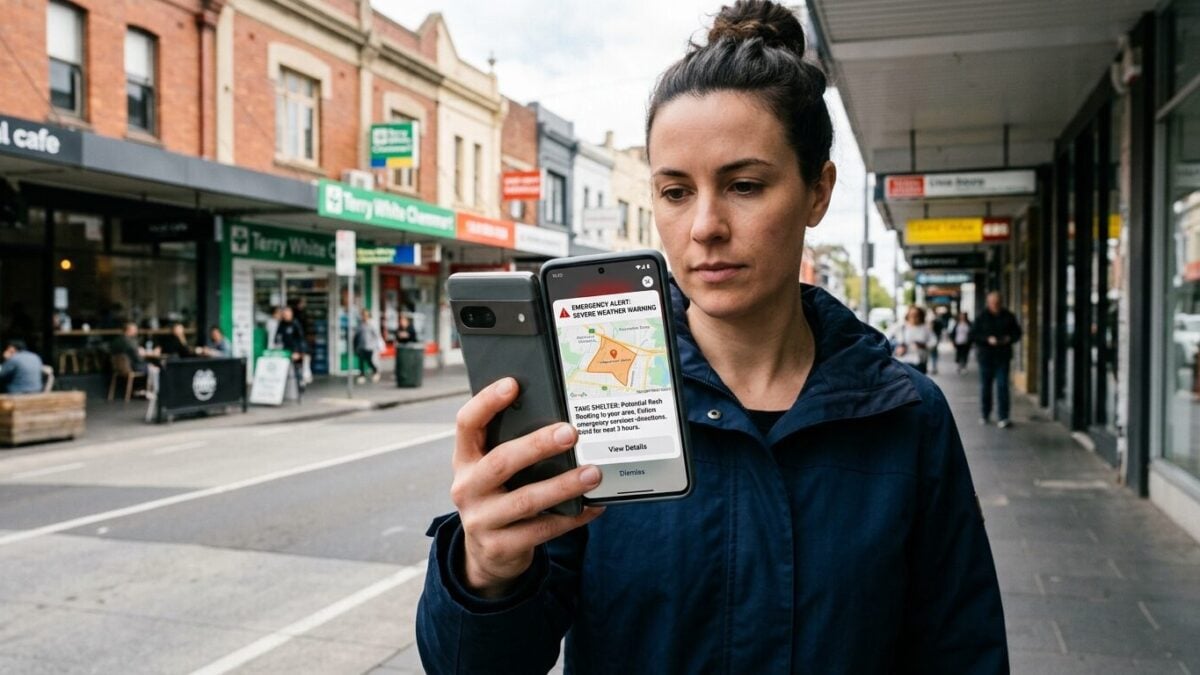
Australia’s first nationwide test of its new AusAlert warning system is drawing fresh attention to the way emergency information appears on phones — including a small but unsettling detail in a weather graph that has been circulating online. The alert test, scheduled for 2pm AEST on Monday, is set to trigger a loud siren on most compatible mobile devices across the country.
The system will also reach some smartwatches and tablets. The sound cannot be silenced, even if a phone is on silent or “do not disturb”.
A national test with a bigger purpose
AusAlert is designed to warn people about fires, floods, terrorist incidents and health emergencies. Officials have said the system is meant to improve on current SMS-based warnings, which can be slower or less reliable when conditions turn bad.
The rollout follows recommendations from the royal commission into the Black Summer bushfires, which called for a better national warning system. AusAlert is due to come into effect from October.
The test has not come without unease. Some state governments have expressed reservations, while domestic violence advocates have repeated advice for people using hidden “safe phones” to consider turning devices off during the alert window.
Why the phone siren matters
The warning sound is only 10 seconds long, but it is meant to be hard to miss. That is the point. In a country that regularly faces bushfires, floods and severe weather, emergency alerts often need to cut through noise, distance and distraction in an instant.
That urgency also helps explain the latest chatter online. A weather graph shared under the same alert backdrop has prompted Australians to look twice at a detail that some found eerie. The concern has spread quickly because people are already primed to notice anything unusual tied to weather and emergency messaging.
For many users, the larger question is not the graph itself. It is whether the new system will reach them when it counts.
Phone fraud adds another layer of risk
Australians are also being warned about a separate digital threat: mobile fraud that can let scammers take over a phone number. Australia’s communications regulator and Scamwatch have flagged the risk as more services rely on mobile numbers for security.
Once criminals control a number, they can receive verification codes, reset passwords and move into bank, myGov and email accounts. Warning signs include sudden loss of signal and unexpected codes. Fast action can limit damage.
That makes emergency alert systems and mobile security feel closely linked. One is built to protect. The other can be turned against the user.
When AusAlert sounds at 2pm on Monday, millions of phones are expected to light up and blare at once. After that, attention will shift to the next stage: how the system performs once it moves from test mode into regular use.