Mauritius Imposes Curfew After Water Protests Turn Violent
Mauritius imposed an overnight curfew after a woman was shot by police and protests over water shortages and living costs turned violent. The unrest disrupted…
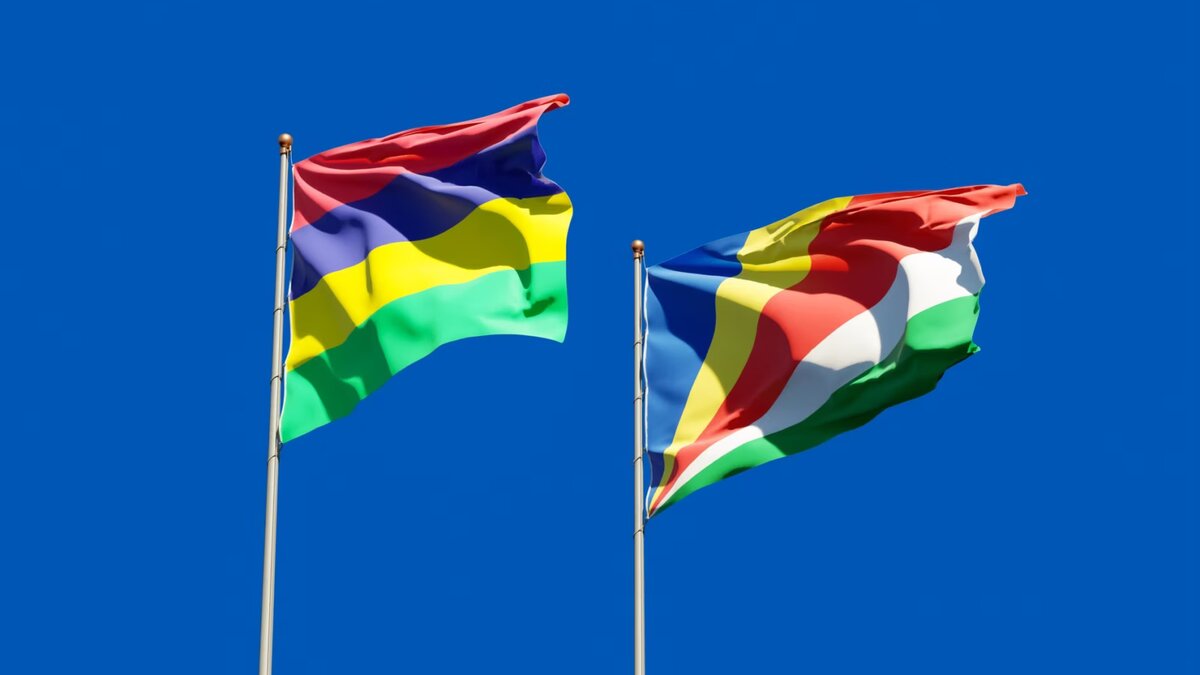
Police in Mauritius imposed an overnight curfew after protests over water shortages and the cost of living escalated into violence following a woman’s shooting at a roadblock. The unrest disrupted schools and public transport on the Indian Ocean island, a tourism and financial services hub.
The woman was wounded by police on Friday. The circumstances of the shooting remain unclear, and the officer has been arrested and remanded in custody, according to the BBC.
Prime Minister Navin Ramgoolam ordered the curfew on Tuesday, warning that people acting against the country’s interests would face consequences. The measure followed unrest that included burned tyres, blocked roads and vandalism of police stations and other public infrastructure.
Traffic was moving across the island by Wednesday morning, police said, and residents were told they could resume normal activities. The authorities also reported several overnight incidents and arrests despite the curfew.
Water shortages fuel protests
The demonstrations began peacefully about a week earlier, as residents protested water shortages and the high cost of living. The government initially responded to the water shortage by providing more water to households, according to Zoë McCathie, an analyst at South Africa-based Signal Risk.
But the shooting changed the course of the protests. On Monday, demonstrators burned tyres and blocked roads in response to the incident, prompting police deployments, Al Jazeera reported. Some schools were closed on Tuesday, according to the Education Ministry.
The curfew covered the capital, Port Louis, and major population centres, Al Jazeera reported. Ramgoolam said it would run from 8:30pm local time until 6am. Public unrest is uncommon in the popular tourist destination, the broadcaster said.
The impact has reached beyond the streets. School closures and the suspension of public transport interrupted everyday routines, while foreign embassies issued alerts urging their nationals to be cautious. Disruption in a country that relies on tourism and financial services also puts pressure on businesses and visitors as authorities try to restore normal activity.
Police said traffic had resumed by Wednesday morning. The prime minister’s office also said the public sector would operate as usual after unrest overnight, according to Al Jazeera.
Cabinet to review next steps
McCathie told the BBC’s Newsday programme that the escalation represented an unusual situation for Mauritius’s security environment, after the government resorted to closing schools and imposing a curfew.
“Protests to this scale and to this extent haven't been seen… since around 1999,” she said, adding that the government’s response was logical and necessary. She said authorities had curtailed the worst of the unrest, though protests could return in some areas.
Water shortages are expected to persist until the rainy season in December, McCathie said. That leaves the cause of the initial demonstrations unresolved even as police seek to contain the fallout from the shooting.
Ramgoolam’s cabinet is due to meet on Wednesday afternoon to reassess the situation and decide on next steps, according to the BBC.
Source: bbc.co.uk