Mauritius Curfew Follows Unrest After Woman Is Shot by Officer
Mauritius imposed an overnight curfew after a woman was shot by police and unrest spread across the island. The shooting officer was arrested, while officials…
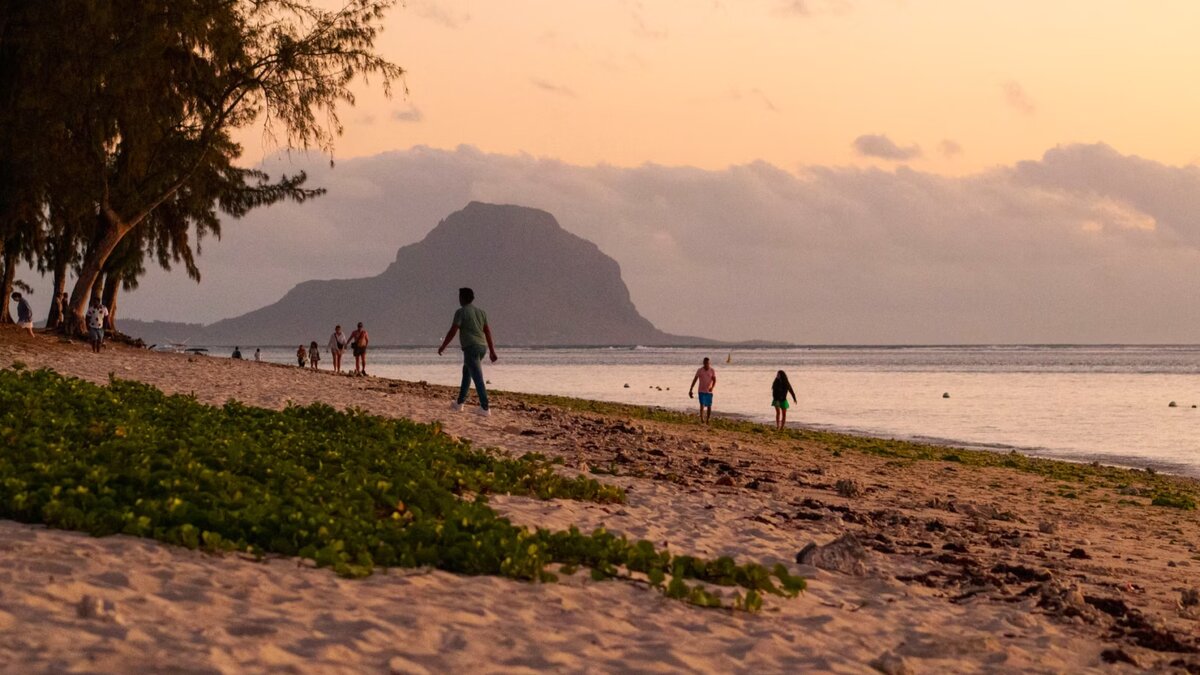
Police in Mauritius imposed an overnight curfew after unrest escalated following the shooting of a woman by an officer, disrupting schools and public transport on the Indian Ocean island. The unrest and protests in Mauritius began amid water shortages and the high cost of living, and the shooting intensified tensions.
Prime Minister Navin Ramgoolam ordered the curfew on Tuesday, warning people against actions he said harmed the country’s interests. Police said traffic was moving throughout the island by Wednesday morning and urged residents to resume normal activities.
The curfew affected the capital, Port Louis, and major population centres, according to Al Jazeera. It followed a weekend of burning tyres, blocked roads and vandalism of police stations and other public infrastructure, the BBC reported. Some schools closed, public transport stopped, and foreign embassies issued safety alerts to their nationals.
The shooting’s circumstances remained unclear in the reports. The BBC said the officer had been arrested and remanded in custody. Al Jazeera reported local media said a police sergeant was charged in connection with the shooting of 27-year-old Elodie Thomas, who was travelling home from work in a van when she was wounded in the south of the capital.
Thomas underwent successful surgery to remove a bullet, according to the Health Ministry, as cited by Al Jazeera. Mauritian police said an investigation was under way, Reuters reported.
The disruption has reached beyond the streets. School closures and suspended public transport affect daily routines, while embassy alerts and the curfew signal the practical risks facing residents and visitors in a country known as a tourist destination. The government’s response also puts a focus on the underlying water shortage, which analysts say could continue to fuel public frustration.
Authorities had initially responded to water protests by providing more water to households, according to Zoë McCathie, an analyst at South Africa-based Signal Risk. She told the BBC’s Newsday programme that the escalation created an unusual security situation for Mauritius, prompting school closures and a curfew.
“Protests to this scale and to this extent haven't been seen… since around 1999,” McCathie said, adding that the government’s response was logical and necessary. She said the government had curbed the worst of the unrest, but protests could return in some areas.
Water shortages were expected to persist until the rainy season in December, McCathie said. The BBC reported that the cabinet was due to meet on Wednesday afternoon to reassess the situation and decide on next steps.
Ramgoolam warned that those responsible would face consequences. “Those who have carried out these actions will have to face the very heavy consequences warranted by their anti-patriotic acts,” he said in an address to the nation.
Source: bbc.co.uk