Missing Supreme Leader Fuels Iran Succession Doubts as Mojtaba Khamenei’s Name Reappears
The fate of Iran’s next leader is under sharper scrutiny after a fatal strike shattered the circle around Mojtaba Khamenei and left the Islamic Republic
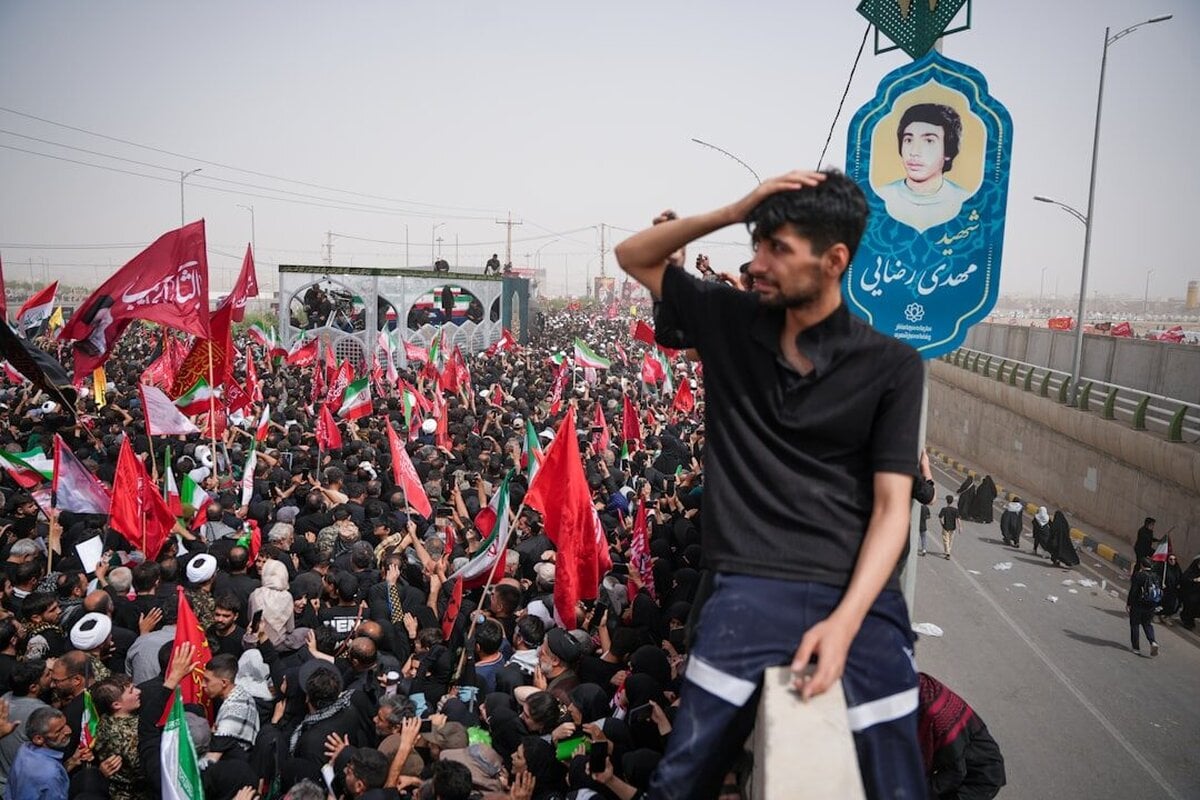
The fate of Iran’s next leader is under sharper scrutiny after a fatal strike shattered the circle around Mojtaba Khamenei and left the Islamic Republic hunting for answers at a perilous moment. For years, the second son of late ayatollah Ali Khamenei was treated as a shadowy power broker; now, his absence has pushed old doubts back into the open.
Some in Iran have gone even further. They believe the supreme leader does not exist at all. The claim speaks to the confusion now gripping a system built around secrecy, control and one man’s authority — and to the vacuum that opened when bombs and missiles hit Iran on a sunny morning in February.
A shadowy figure, not an heir
Before that strike, Mojtaba Khamenei had a strange place in Iran’s political imagination. He was rarely seen in public, worked as a backroom bureaucrat and was widely said to hold considerable influence inside the Islamic Republic, operating from behind his father’s office. Still, many doubted he would ever formally inherit the post.
Ali Khamenei did not want his son to take over, according to Iran analysts Saeid Golkar and Kasra Aarabi. In a 2022 journal article, they wrote that appointing Mojtaba as successor would likely trigger “division, chaos, and turmoil” inside the regime, the opposite of the smooth transition the supreme leader was trying to engineer.
That calculation was overtaken by war. The strike killed most of Mojtaba’s immediate family and changed his fate in an instant. What had looked like a distant succession question suddenly became part of a crisis of survival.
War, pressure and a leadership vacuum
Iran was already under strain. It was embroiled in war, facing poor economic growth, water and energy shortages, a weak currency and the weakening of most of its regional proxies. Then the attack landed, and the country found itself scrambling for leadership at what sources describe as the most dangerous moment in the regime’s history.
That scramble matters beyond Iran. The Islamic Republic sits at the center of a wider regional contest, and uncertainty over who speaks for it — or whether the supreme leader can be clearly identified at all — rattles calculations in capitals across the Middle East and beyond.
For now, the unanswered question hangs over Tehran. And the absence of clear succession has left one of the world’s most opaque political systems looking even harder to read.
What happens next may hinge on a name that has long hovered at the edge of power. Or on the possibility that, for some in Iran, the supreme leader is less a man than a rumor.