Notting Hill Carnival mas bands seek funding as heritage traditions face pressure
Mas bands at Notting Hill Carnival are calling for fresh funding and sponsorship as Britain’s biggest street festival returns to west London this bank holiday
Mas bands at Notting Hill Carnival are calling for fresh funding and sponsorship as Britain’s biggest street festival returns to west London this bank holiday weekend, with organisers warning that the traditions behind the parade could fade under rising costs and tighter rules.
The plea comes as the three-day carnival is expected to draw up to two million people to the streets of Notting Hill. For many visitors, it is a loud, crowded August celebration. For the artists and performers who build the bands, it is year-round work. Hard work. And it is getting harder.
A tradition under strain
Mas, short for masquerade, sits at the centre of the parade. The bands that carry music, dance and costume through the route are known as mas bands, and their roots reach back to African traditions as well as the Caribbean history that shaped Carnival in London. Early mas costumes also borrowed from satire, including parodies of the French planter class.
That legacy is what band leaders say they are trying to protect. Without backing, they warn, the craft risks being lost. Costs for producing costumes, organising performers and meeting stricter regulations are piling up, while the enthusiasm to play on the road remains strong.
The tension is plain: the crowds keep coming, but the machinery behind the scenes is fragile.
More than a weekend party
Notting Hill Carnival has long been tied to Caribbean culture in Britain, with its modern form built on decades of community organising and political struggle. It now stands as one of Europe’s largest Carnival events and a major fixture in London’s late-August calendar.
Yet the scale of the celebration can obscure the labour behind it. Some Londoners treat it as a bank holiday blowout and move on when the music stops. For the mas bands, it is a living archive of migration, memory and performance. They spend the year designing costumes, rehearsing routines and preparing for the road.
That work is visible this weekend as the groups return to west London for the 60th anniversary celebrations. A steel band competition is scheduled for Saturday, before the children’s and adults’ parades on Sunday and Monday.
New sounds, old stories
This year’s line-up also points to the changing face of Carnival culture. An award-winning band is bringing Indian-Trinidadian influences into the streets through costume, music and storytelling, reflecting the long exchange between African-Caribbean and Indo-Caribbean traditions in Trinidad and Tobago and across the wider diaspora.
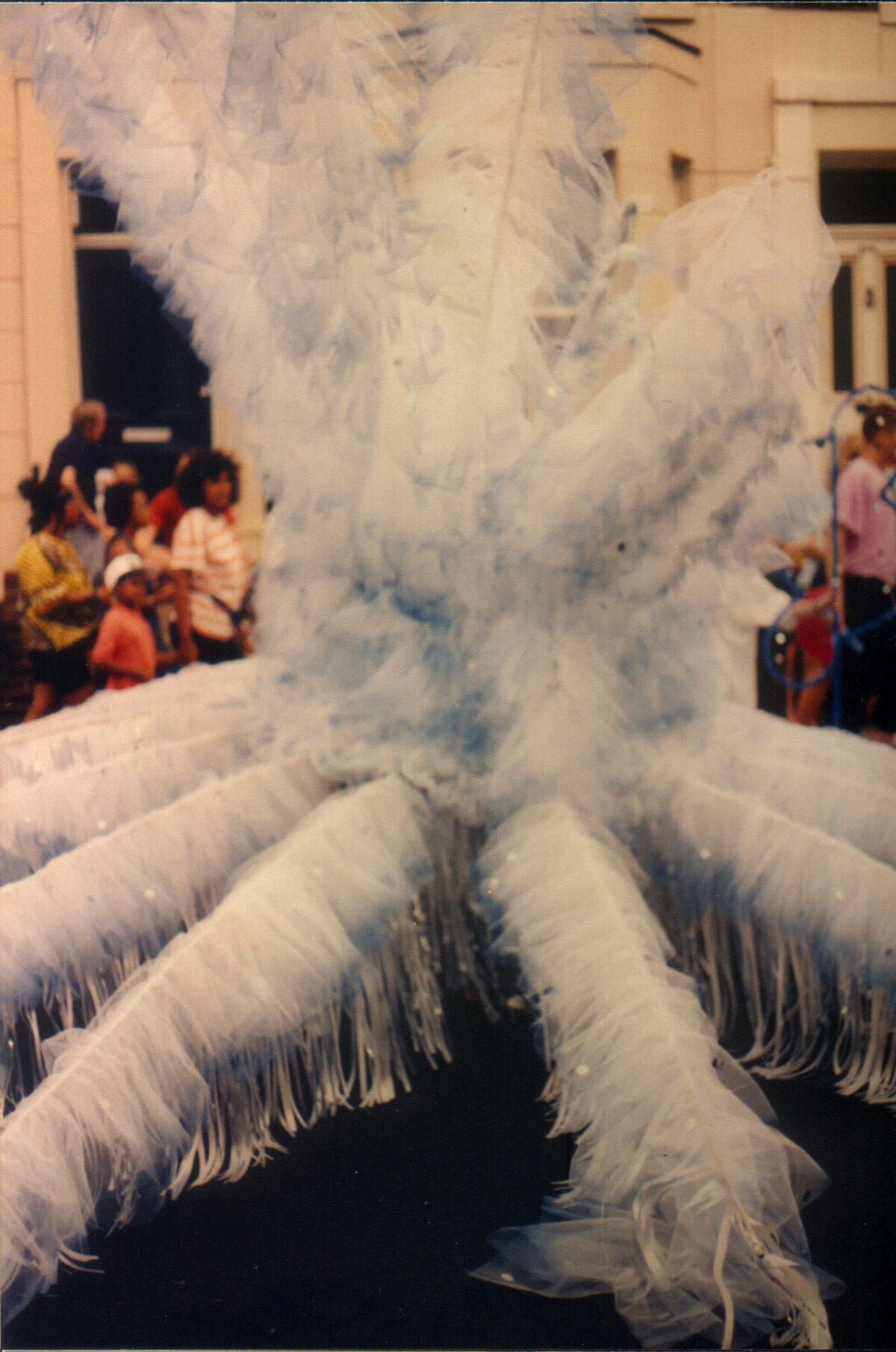
That cross-pollination has always been part of mas. So has reinvention. Dutty Mas, with its paint, powder and less-polished look, has become a vivid expression of that energy, built around freedom, community and dancing behind the trucks. Pretty Mas, with its elaborate feathers and beadwork, tells the same story in a different register.
Both depend on the same fragile ecosystem: artists, sponsors, band leaders and revellers willing to keep the culture moving.
Colin Julien, a Carnival organiser cited by the Standard, said operating a mas band is “a serious business.” That may be the bluntest line in this debate. It is also the one the bands want more people to hear.