U.S. Deports Afghan Man Whose Brothers Aided Military to Central African Republic
The Trump administration on Saturday sent dozens of people to the Central African Republic, among them an Afghan in his early twenties whose brothers had
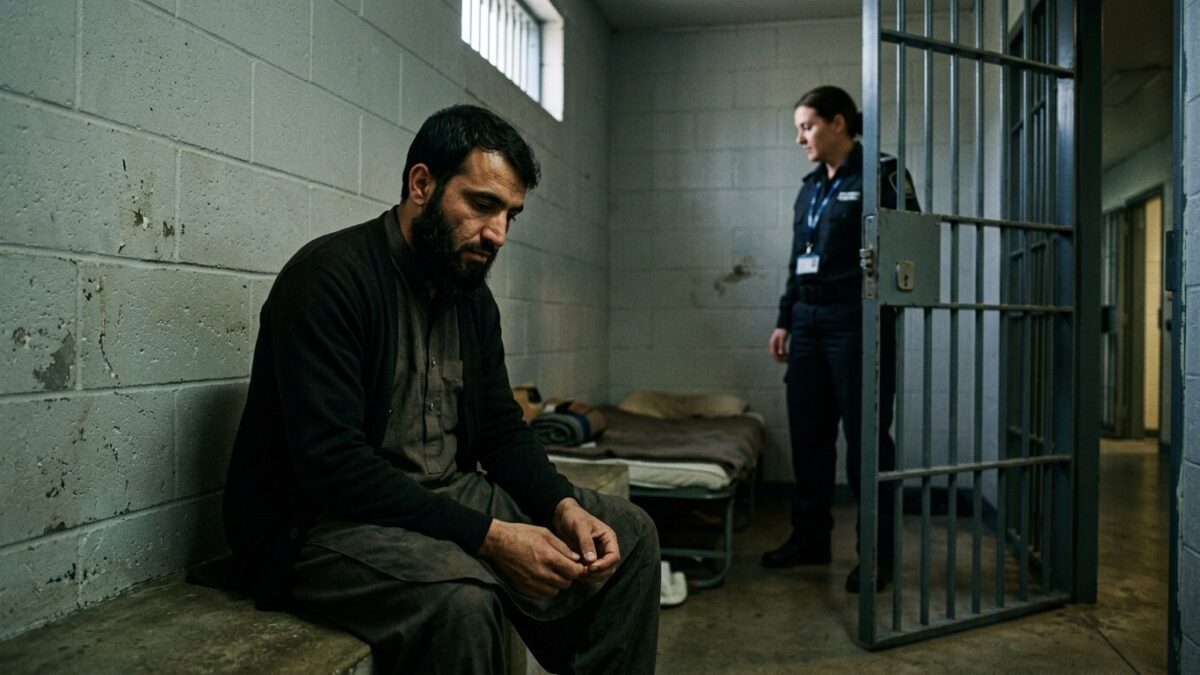
The Trump administration on Saturday sent dozens of people to the Central African Republic, among them an Afghan in his early twenties whose brothers had worked directly with U.S. forces—a decision that has raised alarm among immigration advocates and legal experts.
The man had won court protection against removal to Afghanistan, shielded by a federal judge who found credible his fears of Taliban persecution. His brothers' military service made his family a target. One served in the Afghan National Army, which coordinated with U.S. troops before the Taliban's 2021 takeover. Another piloted aircraft trained under American instruction before the Taliban killed him.
A Judge's Protection Stripped Away
The deportee's attorney, Alma David, said her client faced documented threats in Afghanistan tied to his family's collaboration with American military operations. Court records reviewed by The Associated Press confirmed the Taliban had threatened the family because of the brothers' roles. A U.S. judge had deemed those fears substantial enough to block his return to Afghanistan.
Yet on Saturday, officials placed him aboard a charter flight bound for Bangui, the capital of Central African Republic—a nation where he had no documented ties, no family network, and no clear path to safety or employment.
A Broader Pattern
The flight carried 12 Afghans total, alongside eight Iranians and several people from Nepal and Nicaragua. Advocates view the removals as part of a wider shift under the current administration toward aggressive deportation of non-citizens, regardless of individual circumstances or prior legal findings.
The case underscores a deepening friction between U.S. immigration courts and the executive branch over obligations to those who supported American military missions abroad. For Afghan interpreters, military contractors, and service members who survived the Taliban's return, resettlement in the United States was meant to be a lifeline. Thousands were evacuated after 2021.
Yet years later, some with family ties to those who served alongside American troops find themselves on deportation planes to countries with no historical connection to their lives or protection mechanisms.
David said her client now faces an uncertain future in Central African Republic, a country gripped by armed conflict and one of the world's least stable environments. No legal avenue exists for him to challenge the removal from that location.