Judge rejects key Khalid Sheikh Mohammed confession in 9/11 case, undercutting prosecution
A U.S. military judge has thrown out key FBI confessions by Khalid Sheikh Mohammed, the accused architect of the Sept. 11 attacks, dealing prosecutors a
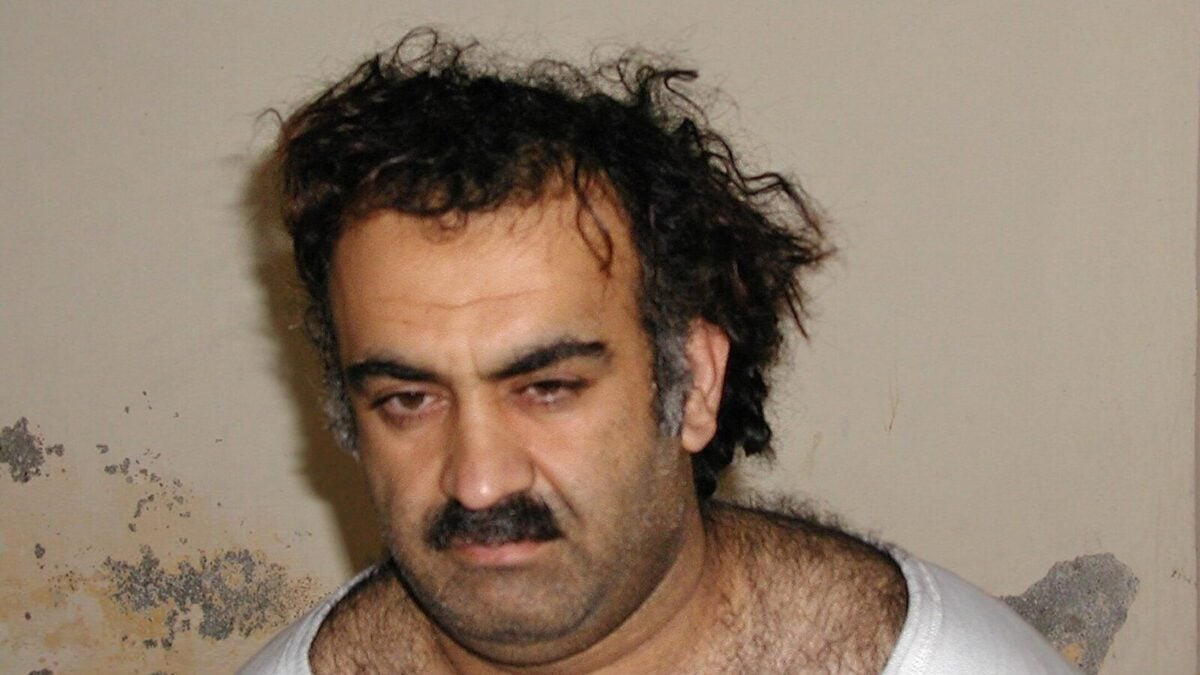
A U.S. military judge has thrown out key FBI confessions by Khalid Sheikh Mohammed, the accused architect of the Sept. 11 attacks, dealing prosecutors a sharp setback in a case already stalled for years at Guantanamo Bay. The ruling, issued on Friday, bars the government from using statements Mohammed made in 2007 after the judge found they were not given voluntarily.
The decision lands just as the military commission had recently set Mohammed’s trial for June 2028, with the 25th anniversary of the 2001 attacks only days away. Those attacks killed nearly 3,000 people in New York, Washington and Pennsylvania.
Judge finds coercion tainted the FBI interviews
Trial judge Lt. Col. Michael Schrama concluded that Mohammed’s statements to FBI agents were made under coercive conditions, according to people familiar with the ruling. He found the prosecution had not met the legal burden to show the confessions were voluntary.
The interviews took place in January 2007 at Guantanamo Bay, in a space that had previously served as a CIA black site, and the judge said that setting did not amount to a real break from Mohammed’s earlier treatment. That history mattered. A lot.
Before the FBI sessions, Mohammed had spent more than three years in CIA custody overseas, where he was subjected to what the ruling described as extraordinary physical and mental abuse. Sources familiar with the decision said the judge pointed to severe coercion tied to that treatment.
Blow to a case years in the making
The suppression of the FBI confessions strips prosecutors of a central piece of evidence in one of the most watched terrorism proceedings still tied to the post-Sept. 11 era. It also complicates a case that has already faced repeated delays, legal fights and questions over the admissibility of evidence gathered after abusive detention.
Rear Adm. Aaron C. Rugh, the lead military prosecutor in the case, said he would review the ruling. The military did not immediately make the decision public, citing a security review.
Mohammed, also known as KSM, has long been described by U.S. authorities as a senior aide to Osama bin Laden. He was captured in Pakistan in March 2003 and later held at CIA sites before being transferred to Guantanamo.
The ruling is expected to sharpen scrutiny over how the United States built its case against detainees linked to the Sept. 11 attacks. And it leaves prosecutors facing a harder road as the commission moves toward its next scheduled milestone, with the court date now set for June 2028.
“The prosecution has failed to prove by a preponderance of the evidence that Mr. Mohammad’s statements to the F.B.I. were voluntarily given,” Schrama concluded, according to sources familiar with the ruling.