Iran Buries Wedding Victims After Reported U.S. Strike as Missiles Hit Kuwait Base
Iran buried victims of a reported U.S. strike that hit a wedding celebration, even as Tehran fired missiles and drones overnight at a U.S. base
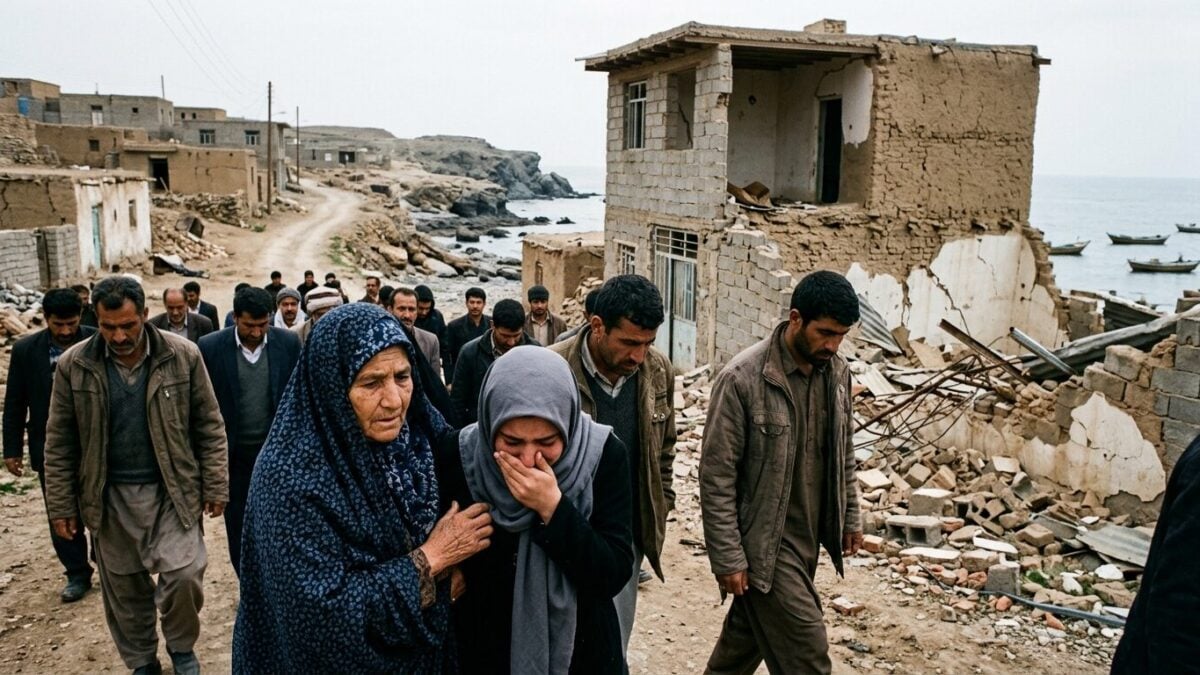
Iran buried victims of a reported U.S. strike that hit a wedding celebration, even as Tehran fired missiles and drones overnight at a U.S. base in Kuwait. The rapid chain of attacks, funerals and retaliation has pushed the conflict into its sharpest escalation in more than a month.
In the coastal village of Kuhestak, in Sirik county, mourners gathered on Wednesday outside homes scarred by the heavy U.S. bombardment that Iran says struck on Sept. 1. Petals were tossed over caskets at the ceremony. The mood was raw.
Funerals in a village hit hard
Iranian officials said four people were killed and nearly 70 others wounded in the strike they say hit a wedding party. The funerals drew residents to the affected village along the Strait of Hormuz, a narrow waterway that remains vital to global shipping and already sits under pressure from the widening confrontation.
Reuters could not independently verify the wedding strike, but the reported casualties have become a flashpoint in a conflict that is spilling across borders. Tuesday’s U.S. airstrikes were described as the biggest escalation in a month, and they followed heavy bombardments carried out by the United States.
Retaliation reaches Kuwait
Tehran answered overnight with missiles and drones aimed at a U.S. base in Kuwait, according to the reports. Iran has said it fired at the base. U.S. Vice President JD Vance said Washington is investigating the reported attack.
The exchanges reflect a dangerous broadening of the war. Gulf states have already felt the effects, with reports of strikes on U.S. bases in Kuwait and other countries in the region. The growing risk to civilians now sits alongside the military contest.
Oil, shipping and a wider fallout
The escalation has also rattled markets. Oil prices moved above $96 a barrel, as traders weighed the prospect of more attacks and the strain on the Strait of Hormuz, through which a large share of the world’s oil shipments pass.
For Iran, the pressure is both military and economic. The country is trying to endure sanctions while tightening its grip on the chokepoint. That makes every new strike more than a battlefield event. It reaches ports, fuel markets and households far beyond the Gulf.
Vance said the United States is investigating the reported attack. Iran, meanwhile, is burying its dead.