Inside Pollsmoor: the prison where daily life has lost its purpose
Prison near Cape Town, routine has hardened into something darker than discipline. A new report published on Sept. 9 describes life inside the
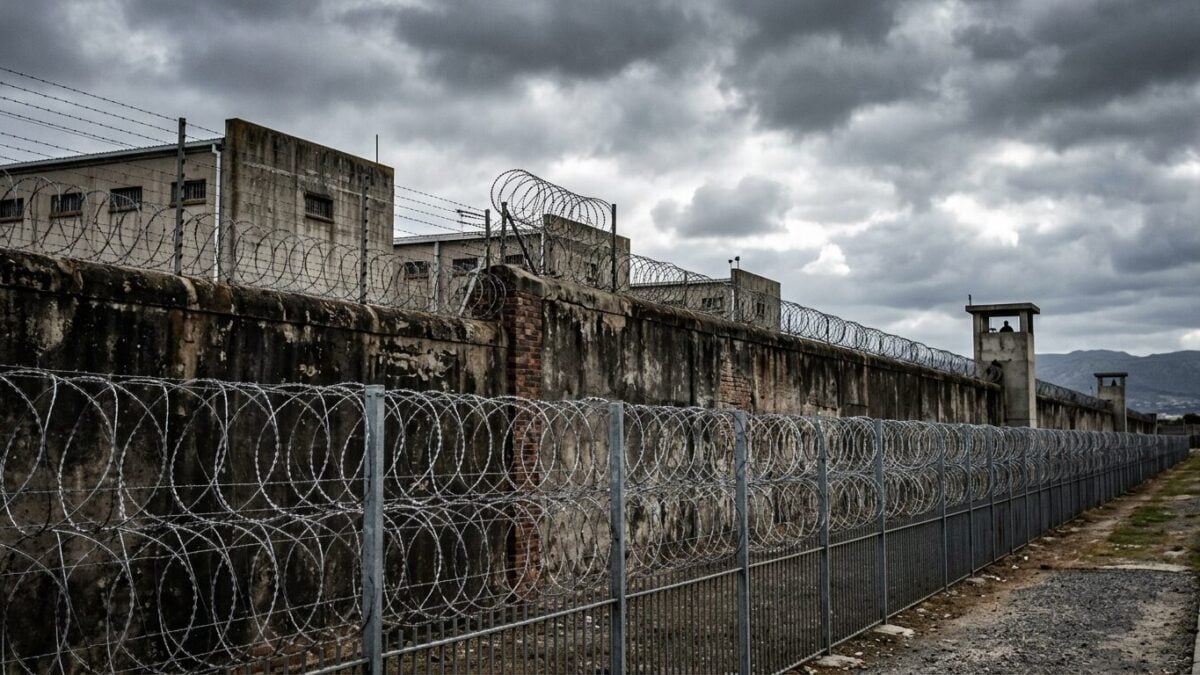
Inside Pollsmoor prison near Cape Town, routine has hardened into something darker than discipline. A new report published on Sept. 9 describes life inside the South African facility as a place where “what is normal in here is criminal out there.”
The phrase lands with force because it captures a basic truth about overcrowded prisons everywhere: once inside, ordinary behavior can shift into survival. Pollsmoor, long a symbol of South Africa’s troubled prison system, now stands as a blunt case study in how confinement can erase purpose, space and dignity. Prison is a place without purpose.
A system built on control
The report draws a picture of a closed world where the line between routine and abuse blurs fast. In that environment, even the smallest act can carry weight. What looks ordinary inside a cell block can be an offense outside the walls.
That tension is familiar well beyond South Africa. Across the world, prison systems wrestle with overcrowding, violence and the gap between punishment and rehabilitation. Pollsmoor brings those pressures into sharp focus. Not as theory. As daily life.
Why the story resonates beyond South Africa
The deeper issue is not only what happens at Pollsmoor, but what prisons are for when they offer little space for work, study or recovery. Without a sense of purpose, incarceration can become a closed loop of control and endurance.
That question echoes in prison and detention debates from the Americas to Europe and Asia. Reuters and other newsrooms have long reported on how facilities designed to hold people can also shape behavior, health and future prospects far beyond release.
The same week, The Marshall Project announced a relaunch of its “Inside Story” video series, built to explore life inside and outside prisons, jails and immigrant detention centers through short-form video and social platforms. The renewed focus underlines a wider shift: audiences are asking not just who is locked up, but what daily life behind bars does to people.
Pollsmoor offers a hard answer. The walls remain. The rules remain. But meaning does not always survive intact.
“What is normal in here is criminal out there,” the report says. It is a line that explains the prison, and indicts it.