MPs warn against using Parliament Act to push assisted dying bill through Commons
On both sides of the assisted dying debate are urging the Commons not to take what one pair called an “extraordinary risk” by forcing. MPs — full details here.
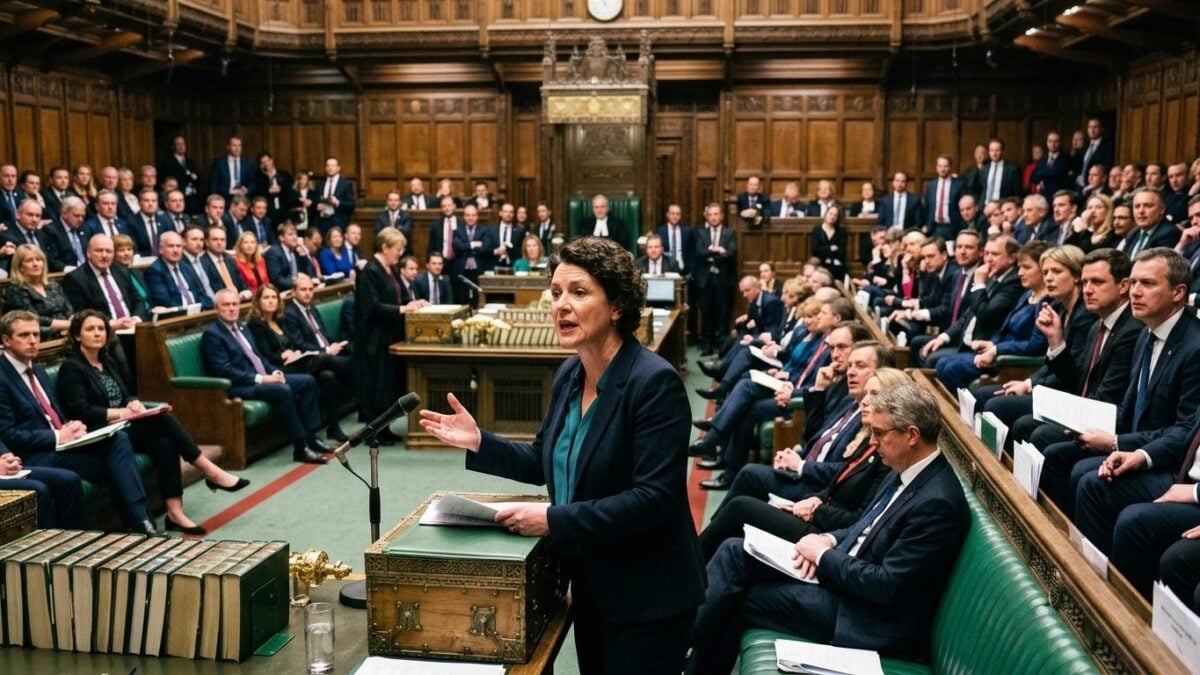
MPs on both sides of the assisted dying debate are urging the Commons not to take what one pair called an “extraordinary risk” by forcing the bill through if the House of Lords keeps blocking it. The warning lands just hours before Friday’s vote, and it raises the stakes around how far the elected chamber should go to prevail over peers.
Two Labour MPs — Gareth Snell, who backed the bill, and Meg Hillier, who opposed it — have written to colleagues saying the Lords must be allowed to do its job on a serious public issue. They said MPs are being pushed into a blunt choice: accept the bill as it stands or face a constitutional fight with wide-ranging consequences.
Warning over a constitutional clash
In their letter, Snell and Hillier said the Commons’ authority is not just about imposing its will. It comes with restraint. “Our primacy as the elected house is more than a right to enforce our will; it is a responsibility to exercise our power with the greatest of care,” they wrote.
That language cuts to the heart of the dispute. The bill has already divided MPs, and the prospect of using the Parliament Act — an obscure mechanism that can override the Lords — would push the argument far beyond a normal parliamentary wrangle. It would be a showdown. And it would be ugly.
Last resort, or overreach?
In a counter-letter, a Labour MP and a Conservative MP argued that the Parliament Act should be kept in reserve only if peers try to block the stated will of the Commons. They pointed to the last version of the bill, when it was talked out by a handful of peers, as an example of why MPs might eventually need that option.
But even that argument carries risk. The issue is not just procedure. It is trust — between the two chambers, and between MPs who backed the bill and those who did not. Friday’s vote will show whether enough lawmakers are prepared to keep the Lords involved, or whether the Commons is willing to threaten a constitutional confrontation to get its way.
For now, the message from Snell and Hillier is clear. Do not force it. Do not rush into a precedent with consequences that could outlast this bill itself.