Australia’s Fashion Market Leaves a Gap in Workwear Options
Cue and Veronika Maine entered administration and receivership last month, highlighting pressure on Australia’s mid-market fashion retailers. Shoppers are…
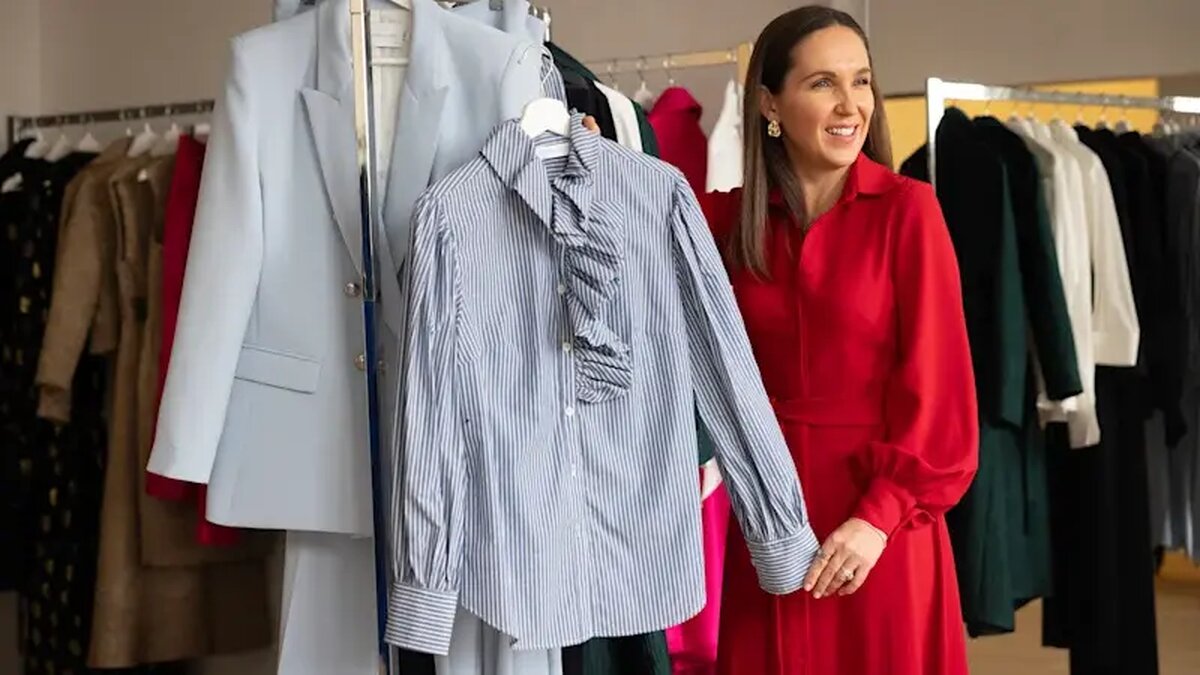
Australia’s fashion market is shifting as shoppers spread their spending across online stores, budget chains and resale platforms. Cue clothing and Veronika Maine entered administration and receivership last month, a setback for two major names in corporate womenswear.
Their troubles add to pressure across the sector, from designer labels to affordable retailers. For shoppers, the closures also raise a practical question: where to find polished, versatile workwear between low-cost basics and expensive designer fashion.
Personal stylist Caitlin Stewart, who has worked with clients for more than 20 years, says professional women have told her they no longer know where to shop. Many want clothes that work in a boardroom and on the weekend, but feel caught between youthful fashion, activewear, generic casualwear and luxury labels.
“To me, this is a real gap,” Stewart said.
Australia’s online fashion and apparel spending has reached $11.6 billion, according to Australia Post’s latest e-commerce report. The shift gives shoppers access to a much wider range of brands, while intensifying competition for established retailers on shopping strips.
Pressure across the fashion market
The strain is not confined to mid-market brands. Designer labels Alice McCall and Dion Lee have faced difficulties, while Mosaic Brands collapsed after operating retailers including Katies, Rivers, Noni B and Millers. Its collapse resulted in nearly 3000 job losses and more than 700 store closures, according to the source report.
Other brands have also changed hands or faltered. Alannah Hill and Gorman struggled after their founders separated from their businesses, while swimwear label Seafolly collapsed soon after COVID struck. Private equity firm L Catterton later rescued the brand; it was sold to a private investment group in 2023.
Jeanswest, which opened in Perth in 1972 and once had nearly 150 stores, was sold to a Hong Kong company in 2020. It shut all its stores in early 2025. The retailer has also drawn attention for posting advertisements described in the source as “AI slop”.
Household budget pressure is pushing some shoppers towards cheaper options and others towards investment pieces. Even luxury retailers have felt the squeeze: Harrolds collapsed in 2024 with debts of more than $16 million. Sales in Australia have declined for major luxury names including Chanel, Tiffany & Co and Giorgio Armani, as younger shoppers turn to vintage marketplaces and second-hand platforms such as Depop and Vinted.
Shein and Temu have attracted a combined 8 million Australian shoppers, the source report said. Their appeal rests on ultra-low prices and a high volume of new outfits generated each day with artificial intelligence-powered, trend-identifying algorithms.
That competition changes the choices available to shoppers, but it also leaves a gap for people seeking workwear that is neither disposable nor priced as luxury. Stewart’s clients describe that gap in everyday terms: they used to know where to shop, and now they do not.
The middle market is not one market
Some retailers continue to hold their ground. Zara, Cotton On, Kmart and Uniqlo remain major chains in the mid-market, with Uniqlo known for affordable, minimalist everyday essentials. Boutique retailer Incu, meanwhile, attracts younger shoppers looking for labels including A.P.C., Maison Kitsune and Maison Margiela.
Fashion consultant and strategist Elizabeth Formosa says the problem is not simply that the entire middle market has disappeared. Rather, retailers without a distinct offer face a harder fight. “The generic middle is in trouble,” Formosa said.
For Cue clothing, the administration and receivership mark a sharp change in fortunes for a longstanding corporate-wear name. Across the wider market, the pressure is visible in the figures: Mosaic Brands’ collapse cost nearly 3000 jobs and shut more than 700 stores.
Source: smh.com.au