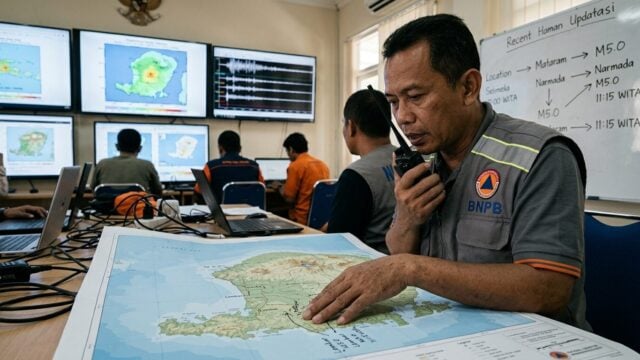
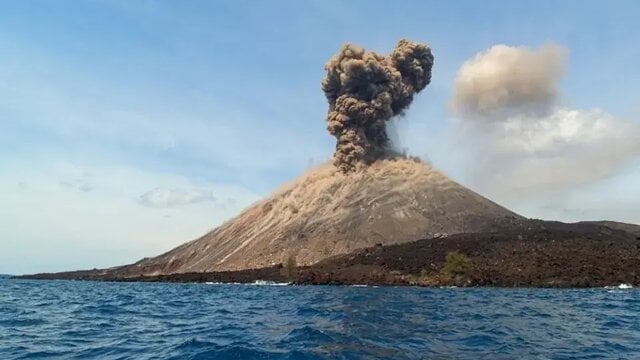
Manado Haze Raises Air Quality Concerns Across Indonesia
Wildfire haze, dust and vehicle pollution lowered air quality in Manado from August through late September 2026, with smoke drifting from other regions.
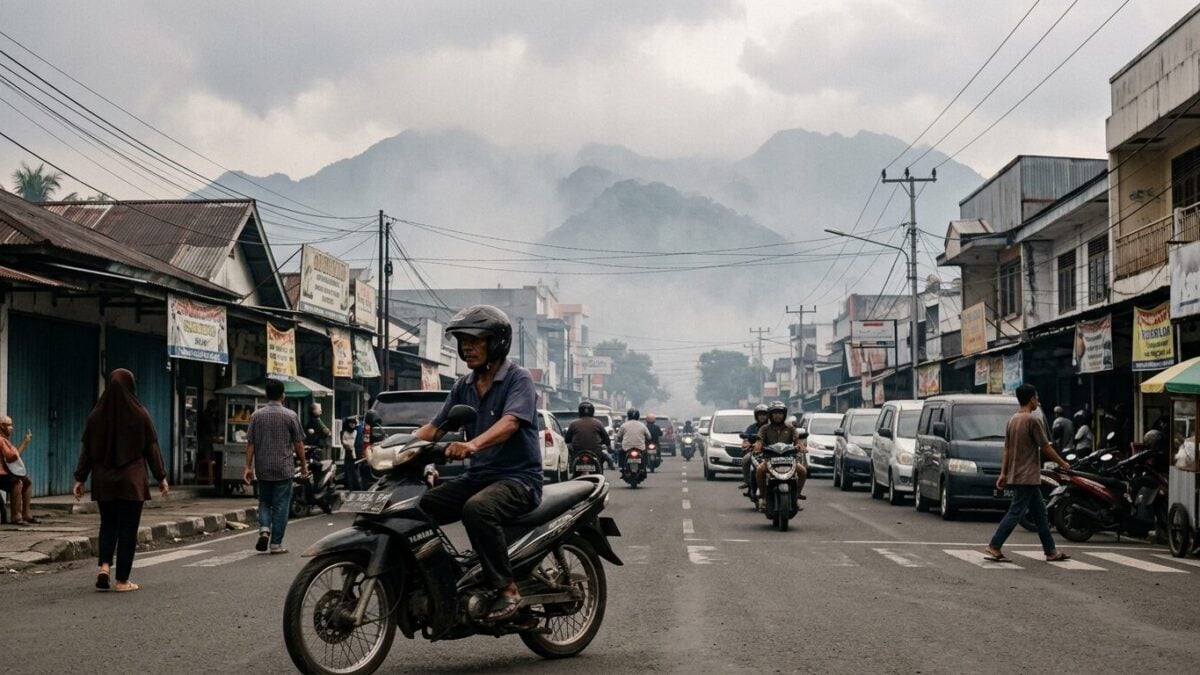
MANADO, Indonesia — Wildfire smoke drifting across parts of Indonesia has contributed to declining air quality in Manado, a city in North Sulawesi, where officials detected haze, dust and vehicle pollution from August through late September 2026. The episode reflects how fires across the archipelago can affect communities far from the burn sites.
Manado’s Environmental Agency sampled air in industrial, office, transport and residential areas, Leon Piri, the agency’s head of pollution and environmental damage control, said in the city on Wednesday, Oct. 7, 2026. Measurements from the first half of the year were still below air-quality limits, he said, but the agency detected a decline during the dry season.
Smoke drifted into North Sulawesi
Smoke from forest and land fires, locally known as karhutla, added to airborne particles that residents breathe. Strong winds during the dry season also stirred up dust, while emissions from motor vehicles contributed to pollution in the city.
“We detected a decline in air quality in Manado caused by exposure to wildfire smoke, as well as an increase in dust intensity throughout the dry season,” Piri said.
The haze reaching North Sulawesi was not solely linked to fires within the province. Muhammad Candra Buana, coordinator for observation and information at Indonesia’s Meteorology, Climatology, and Geophysical Agency (BMKG) station in North Sulawesi, said the region received transboundary haze from fire-affected areas, including Kalimantan and Papua.
Atmospheric monitoring and remote-sensing satellite imagery showed smoke moving across regional boundaries. BMKG’s analysis of wind patterns and satellite images detected thin smoke particles from fires in Kalimantan, West Papua and Southwest Papua, carried toward North Sulawesi in middle and upper atmospheric layers. Fires in North Sulawesi also contributed to haze in recent weeks, the agency said.
Local sources add to exposure
Smoke also comes from activities closer to home. The Manado agency cited rubbish burning and land clearing by fire as additional sources, alongside larger wildfires, dry-season dust and vehicle emissions. That mix matters for residents because pollution can build from multiple sources at once, even when measurements from an earlier period remained within limits.
“Air quality will certainly decline when there are forest and land fires, dust particles and pollutants still suspended in the air,” Piri said.
The agency continues to monitor air quality at several locations, including industrial, office, transport and residential sites. The measurements are intended to capture different pollution sources across the city as conditions shift with smoke, wind and local activity.