Panmure Liberum Sees S&P 500 Falling to 5,000 by End of 2027
With the S&P 500 at a record level, a British brokerage is warning that the market’s long rally could have much less runway than investors

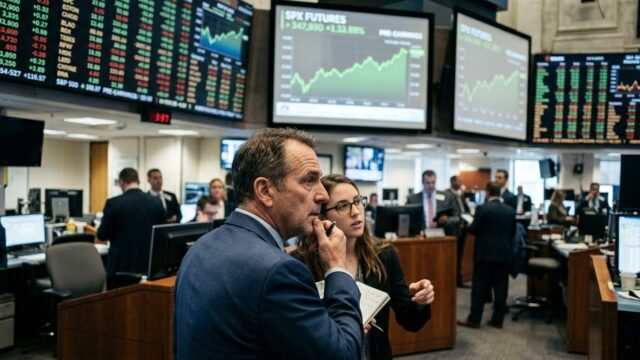
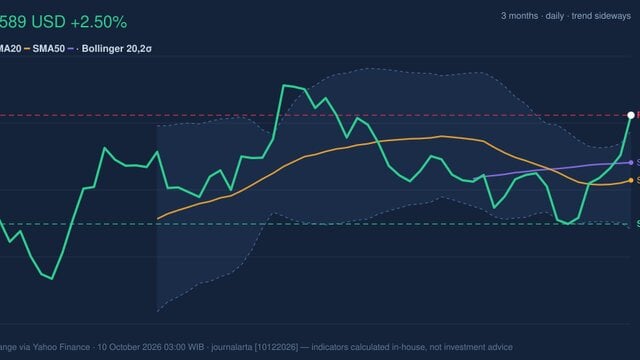
With the S&P 500 at a record level, a British brokerage is warning that the market’s long rally could have much less runway than investors expect. Panmure Liberum forecasts the index will fall to 5,000 by the end of 2027, a drop of more than 35% from its latest close of 7,722.72.
The firm issued its forecast on Monday, October 5, 2026, pointing to rising interest rates and the cost of the artificial intelligence buildout as threats to equities. The S&P 500 has gained 12.8% so far this year, extending a bull market that began in October 2022 despite persistent inflation and high bond yields.
AI spending and borrowing risks
Panmure Liberum analyst Joachim Klement said sustained increases in borrowing costs could bring the bull market to an end sooner than many investors anticipate. “If we keep seeing higher bond yields and interest rates, we think the end of the equity bull market may be closer than many investors think,” he said.
Major technology companies are pouring capital into AI infrastructure. The spending is increasingly being funded not just from free cash flow but through debt, as companies seek to support valuations running into the trillions of dollars. That investment, alongside the market’s concentration in a small number of large firms, is adding to concerns about the rally’s durability.
Earnings remain a support
The warning comes as strong corporate earnings growth and resilient economic data continue to underpin share prices. Those factors have helped the market advance even as inflation persists and bond yields remain high.
Investors are now looking to third-quarter earnings reports for evidence that companies can sustain growth while financing ambitious AI plans. The reports, along with corporate guidance for 2027, will offer a fresh test of whether earnings strength can counter the pressure from higher rates and rising investment costs.
Source: reuters.com