Indonesia Eyes Next Week for Peatland and Mangrove Agency
Indonesia expects to inaugurate a peatland and mangrove agency next week, as fires in six provinces strain ground crews and limit aerial firefighting.
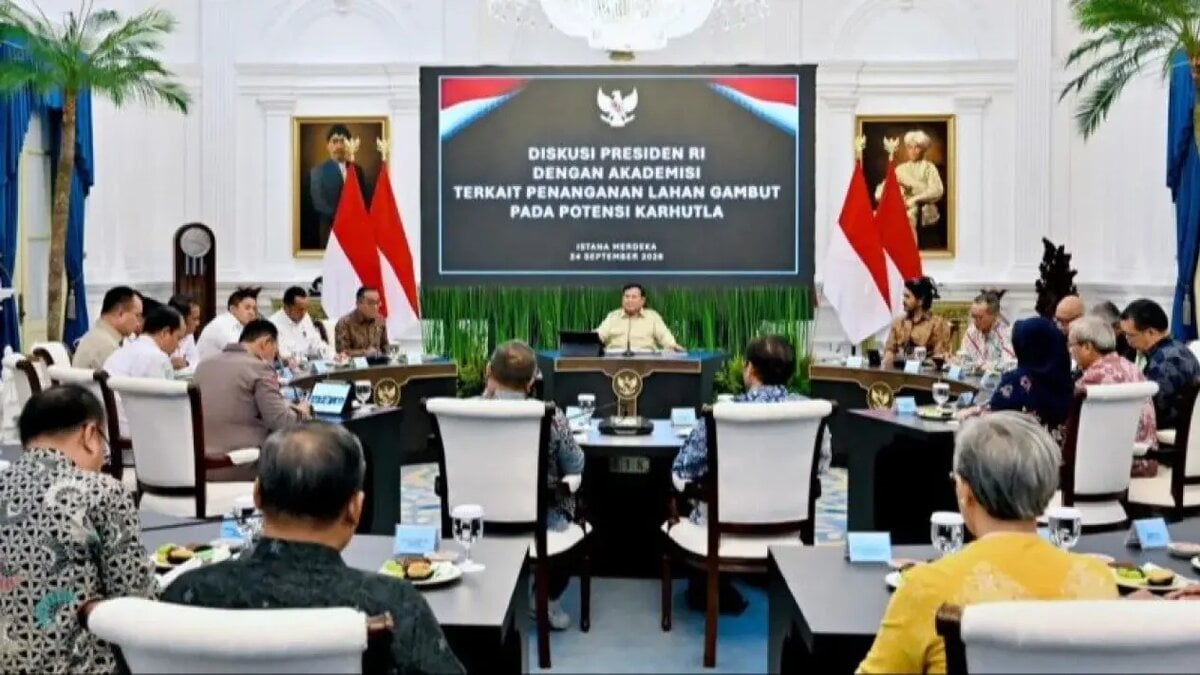
JAKARTA — Indonesia expects to inaugurate a national peatland and mangrove management agency next week, but its launch date and prospective chief remain unconfirmed as forest and land fires continue to challenge firefighting efforts across the country.
Dudung, who described President Prabowo Subianto’s directions during a limited cabinet meeting, mentioned Professor Satyawan as a possible head of the agency while stressing he had not verified the information. The same meeting addressed fires in six provinces, where thick smoke has obstructed aerial operations and left crews relying more heavily on teams on the ground.
Agency chief remains unconfirmed
“I saw that it is already there; hopefully it can be inaugurated next week,” Dudung said, without giving a specific date.
Asked who might lead the new institution, he named Satyawan, whom he described as an expert associated with Indonesia’s Ministry of Forestry. Dudung did not confirm whether Satyawan holds a director-general position there.
“If I’m not mistaken, it was Professor Satyawan, if I’m not mistaken, from the Ministry of Forestry,” Dudung said.
He added that Satyawan was, as far as he knew, an expert in the field. The remarks do not amount to an official appointment: Dudung qualified the name as uncertain, and the government has not announced either a confirmed chief or an inauguration date.
Smoke disrupts firefighting in six provinces
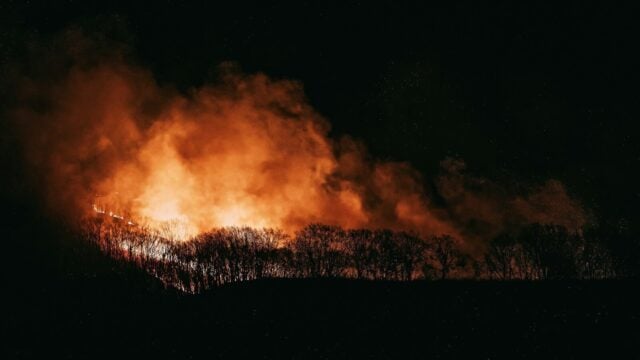
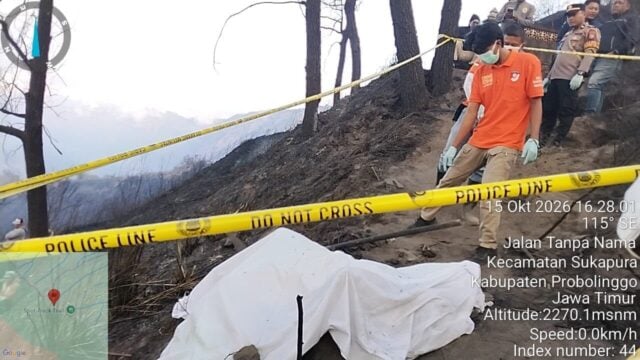
The meeting also focused on forest and land fires, known in Indonesia as karhutla. Dudung said a report from the National Disaster Management Agency (BNPB) identified six provinces as priorities, including Central Kalimantan and South Sumatra.
In Central Kalimantan, the Tanjung Puting area and its surroundings are among the priority locations. The area includes a national park and wildlife habitats, making fires a threat not only to people facing flames and smoke but also to the ecosystems and animals there.
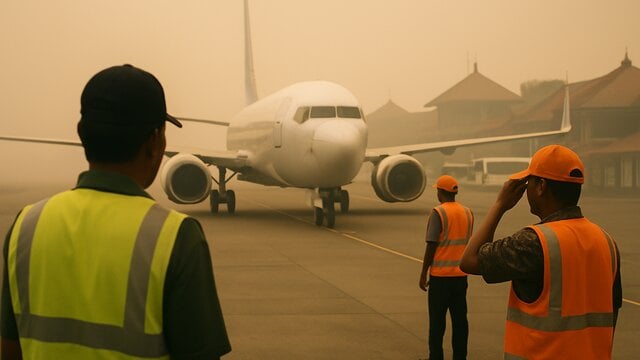
Authorities have carried out aerial firefighting, Dudung said, but dense smoke has hindered those efforts and made some fire sites difficult to reach. Ground crews have consequently taken on more of the work, tackling blazes directly in places that helicopters or operational vehicles cannot easily access.
The shift has practical consequences for both emergency response and nearby communities: when smoke blocks aerial support, crews must reach fires from the ground, including in hard-to-access areas. At Tanjung Puting, that challenge also puts pressure on efforts to protect the national park and its wildlife while fires remain active.
The proposed agency was discussed alongside the fires, but Dudung did not outline whether or how it would take part in current firefighting operations. For now, the government’s stated expectation is an inauguration next week, while the identity of its future chief remains uncertain.
“Yes, an expert, if I’m not mistaken,” Dudung said of Satyawan.