Four Firefighters Killed in Bromo Blaze, Indonesia Urges Safety
Four personnel died fighting a wildfire in Bromo Tengger Semeru National Park. Indonesia’s disaster agency calls for stronger field safety.
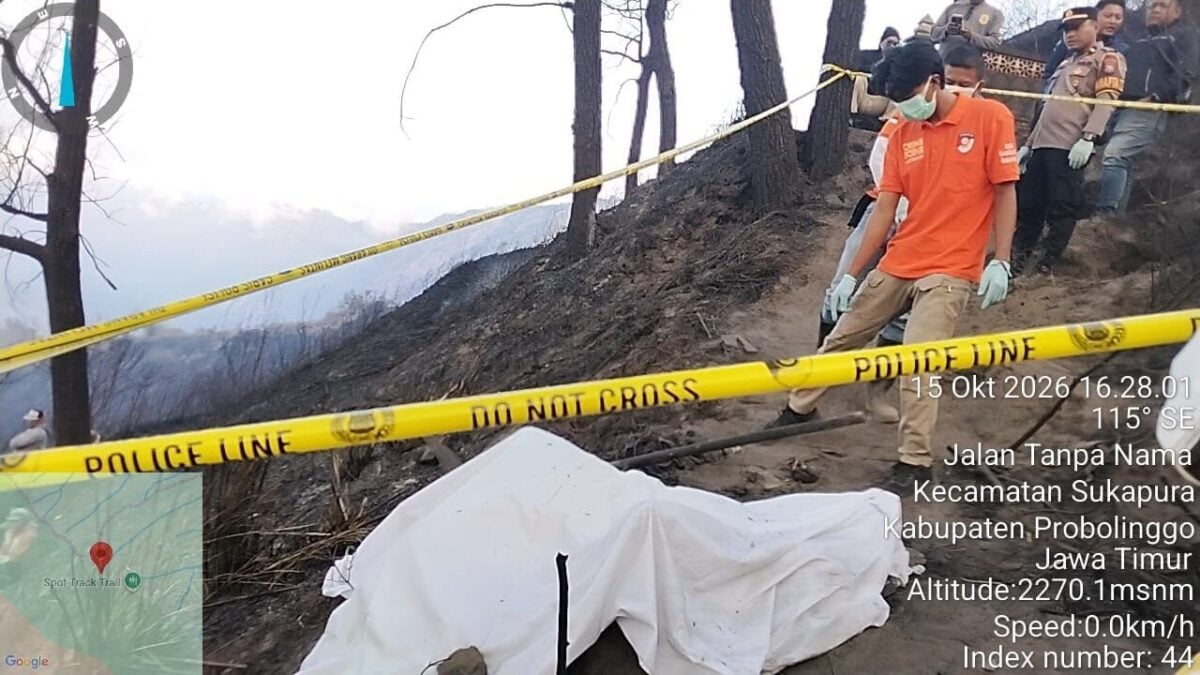
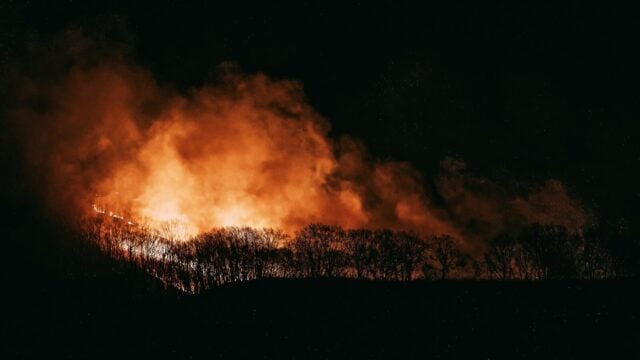
BROMO, Indonesia — Four personnel died and two others suffered burns while fighting a wildfire in Bromo Tengger Semeru National Park on Thursday, Oct. 15, 2026, prompting Indonesia’s disaster agency to urge crews to put safety first. The incident highlights the dangers facing responders as shifting winds, rugged terrain and moving fire fronts complicate operations in a protected area.
The two injured personnel were receiving intensive medical care, according to the report. The National Disaster Management Agency, known by its Indonesian acronym BNPB, did not provide details about the cause of the fire or the circumstances in which the personnel were injured.
In a statement issued Saturday, Oct. 17, BNPB acting head of disaster data, information and communications Berton SP Panjaitan paid tribute to those who died and expressed hopes for the injured personnel’s recovery. He also offered condolences to the victims’ families, saying the responders had worked to protect the environment and prevent the fire from spreading.
Bromo wildfire puts responder safety in focus
Fire conditions can shift quickly. BNPB cited changing wind direction, terrain, the spread of fire and other developments on the ground as hazards that require crews to remain alert throughout an operation.
The risks matter beyond the response teams. Protecting personnel helps keep firefighting operations measured and sustainable, while allowing efforts to safeguard the park and nearby communities to continue. But the incident also underscores the difficult decisions crews face when conditions change: whether to keep working, reposition or withdraw.
Daryono, a member of the Indonesian Disaster Experts Association (IABI), called for stronger safety standards in wildfire operations, according to a report by Okezone News on Saturday. He said responders’ commitment must be backed by strict procedures, adequate equipment and professional command of operations.
Daryono said teams should understand wind direction and speed, weather, vegetation, slope and the fire’s movement before and during operations. A sudden change in fire behavior can increase the danger to personnel, he warned.
Risk checks, evacuation routes and coordination
Berton said each operation should begin with a careful risk assessment, followed by continued monitoring of conditions on the ground. Teams also need evacuation routes, reliable communications and effective coordination among personnel and agencies.
Decisions at the scene should account for fire development, wind, terrain and other threats to responders. BNPB said readiness of supporting equipment, adherence to safety procedures and the ability to evacuate personnel quickly are essential parts of reducing operational risk.
In remarks issued Saturday, Berton stressed that safety planning must shape decisions throughout the response. “Every response measure must be supported by careful risk assessment, continuous monitoring of field conditions, prepared evacuation routes, and effective communication and coordination among personnel and agencies,” he said.