Banjarmasin Port Keeps Cargo Moving as Haze Hits Region
Banjarmasin port cargo operations continue through wildfire haze, with air monitoring and about 40 boxes of masks distributed to staff.

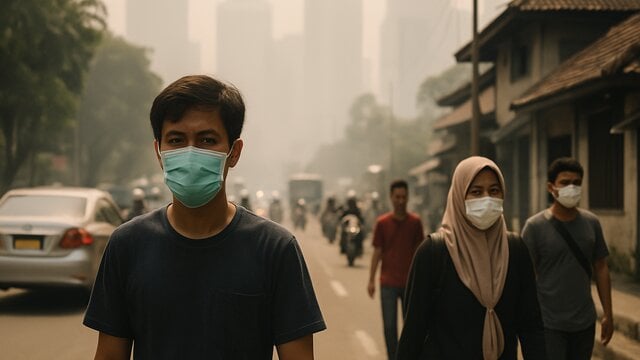
BANJARMASIN, Indonesia — Cargo handling at Banjarmasin Container Terminal is continuing normally as wildfire haze blankets the area, while the operator monitors air conditions and workplace safety. The terminal has distributed about 40 boxes of masks to employees, Terminal Head Sirin Purnomo said Friday.
The update matters for regional supply chains: the terminal is a logistics link for South Kalimantan, and keeping its services running means cargo can continue moving while workers face smoke-affected conditions. The company has not reported a change in terminal operations.
Terminal monitors air quality and worker safety
Purnomo said the terminal is maintaining operations while taking occupational health and safety into account. Mask distribution was based on employee needs, he said, as staff continued their duties during the haze caused by forest and land fires.
The operator is monitoring air quality alongside conditions in the terminal yard to identify potential risks and maintain services without setting aside worker safety. It did not provide air-quality readings, the duration of the haze or figures on any change in cargo-handling productivity.
The terminal is also coordinating with its head office and reporting developments regularly, Purnomo said. “Developments in the situation are also coordinated and reported regularly to the head office to support monitoring of conditions and the continuity of terminal operations,” he said.
Separate shipping checks in Central Kalimantan
In a separate report, Kalteng Antaranews said the Kotawaringin Timur Transportation Department had confirmed that shipping in its area remained safe despite the haze. The report concerns a different location and operation from the Banjarmasin terminal.
Department head Raihansyah said officials were coordinating with the Port Authority and Harbor Master’s Office and increasing checks on vessels entering and leaving through the Mentaya River channel. No changes to vessel schedules or disruptions to shipping serving Kotawaringin Timur had been reported when the account was published.
The two reports describe separate monitoring efforts: Banjarmasin’s terminal operator is tracking air and workplace conditions, while Kotawaringin Timur officials are overseeing river traffic. At Banjarmasin Container Terminal, Purnomo said, air-quality checks and operational monitoring are continuing as employees carry out their work.