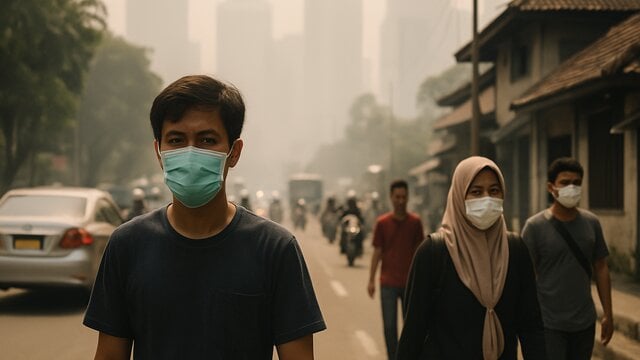
Indonesia Urged to Declare Forest Fires a National Disaster
Sustainabilitas urges Indonesia to declare forest fires a national disaster, with unified command, public operations plans and ASEAN support.
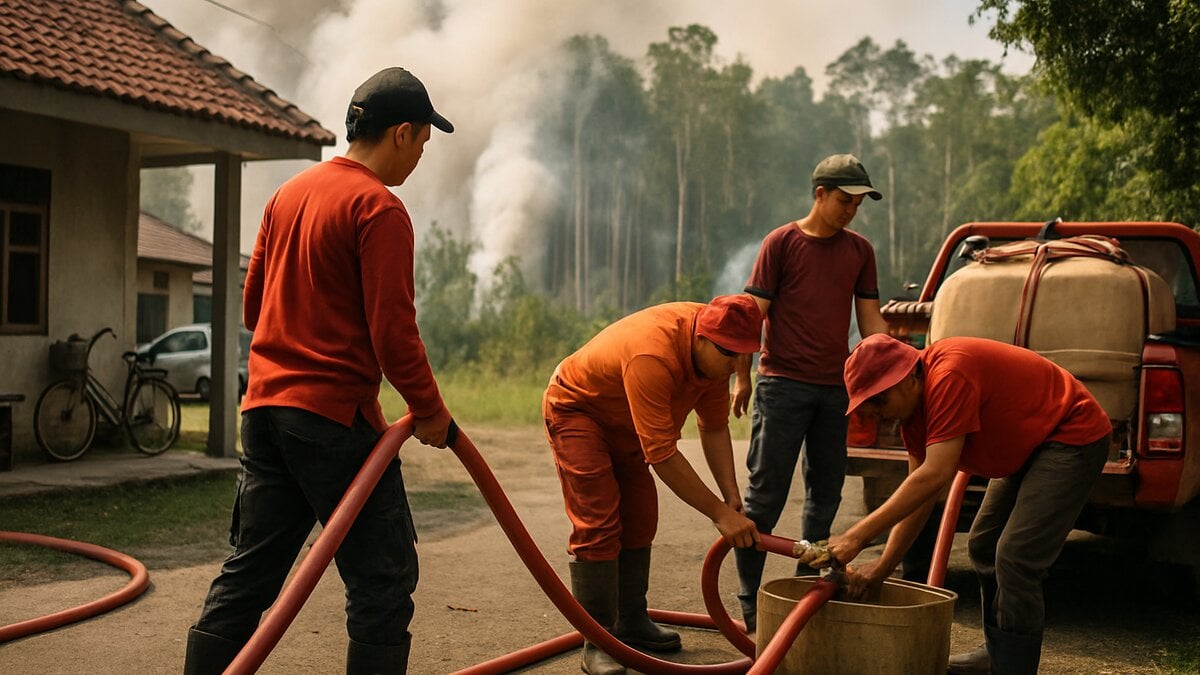
JAKARTA — A sustainability policy center has urged Indonesia to declare forest and land fires a national disaster, calling for emergency measures scaled to the threat as fires continue to put communities and peatlands at risk. Sustainabilitas said the response should bring government agencies under a unified command and protect residents while authorities assess the disaster status.
The group made the appeal in an official statement on Friday, Oct. 16. It said emergency action should mark the start of wider climate governance reforms, not simply a response to flames once they appear.
Sustainabilitas wants Indonesia’s National Disaster Management Agency (BNPB), relevant ministries, the military, police and local governments to coordinate through a single command structure. It said clearly assigned responsibilities would help direct personnel and assistance to the places that need them.
Public plans and protection for residents
The group called for the government to publish an operational plan promptly. The plan, it said, should identify priority areas, responsible officials, staffing and equipment needs, funding and response targets.
Local governments should carry out the plan and provide daily reports, with weekly reviews, Sustainabilitas said. It also called for clear measures to guide the response, including fire conditions, risks to homes and public facilities, air quality and the capacity of local authorities.
Those details have direct consequences for people living near fires. Sustainabilitas said authorities should provide access to cleaner air through filtration and air-quality monitoring, ensure basic needs are met and maintain access to health services for affected residents.
The group also called for public disclosure of fire information, spending, case follow-up and evaluation results. For large or recurring fires, it said the government should identify corrective steps, assign responsibility and set deadlines.
From firefighting to peatland recovery
During an emergency, BNPB, regional disaster management agencies (BPBD) and relevant government bodies should focus resources on fires threatening settlements, public facilities, peatlands and protected areas, Sustainabilitas said. Field teams also need training, equipment, better communications, water supplies and safety protections for personnel.
Fire suppression can be especially difficult in peatland. Forest conservation researcher Yayan Hadiyan of Indonesia’s National Research and Innovation Agency (BRIN), in comments cited by Liputan6.com, said wide areas, difficult access and peat fires can complicate operations. Fires can spread beneath the surface, making them harder to extinguish, according to the report.
Sustainabilitas urged the government to consult other Association of Southeast Asian Nations (ASEAN) countries and seek operational assistance through the ASEAN Agreement on Transboundary Haze Pollution. Possible support could include experts, equipment, monitoring, health services and logistics, depending on Indonesia’s needs. The group said financing, access, deployment and accountability arrangements should be agreed in advance.
Its proposed recovery measures span several periods. Over the short term, one to three months, the government should assess effects on health, ecosystems and livelihoods, deliver assistance and fund community-based recovery. Peatland and habitat restoration should begin in priority areas, guided by technical assessments and involving affected residents.
Over the medium term, three to 12 months, high-risk areas should have prevention plans backed by funding, trained teams, equipment, water sources and training. Early warnings should lead to patrols, deployment of resources and on-the-ground checks, the group said. Local and Indigenous communities should be partners, with training, equipment, operating funds and safety protections.
For the longer term, one to three years, Sustainabilitas called for planning and budgets to cover peatland hydrological restoration, land-use planning, resolution of land-tenure conflicts and the development of alternatives to burning. It also urged authorities to turn the Haze-Free Roadmap and ASEAN Peatland Management Strategy 2023–2030 into joint projects with trackable funding and results.
The group also called for enforcement across disaster management, land-use planning, environmental protection, forestry, plantations, health and conservation. It urged parliament and the government to accelerate a bill on climate change management.
Government officials have said weather modification does not always succeed in tackling fires in 2026. Deputy Coordinating Minister for Food Affairs Hanif Faisol Nurofiq has emphasized stronger landscapes and peatland resilience as part of long-term reforms, according to Liputan6 Bisnis.
Sustainabilitas said the government should measure outcomes through changes in burned areas and smoke exposure, as well as peatland recovery and residents’ livelihoods. The next steps depend on the government’s decision on emergency status, operational planning and the division of responsibilities on the ground.