North Sumatra Plans Weather Modification to Curb Haze
North Sumatra will try weather modification around Lake Toba to trigger rain and curb wildfire haze, with dry ice discussed as a backup measure.
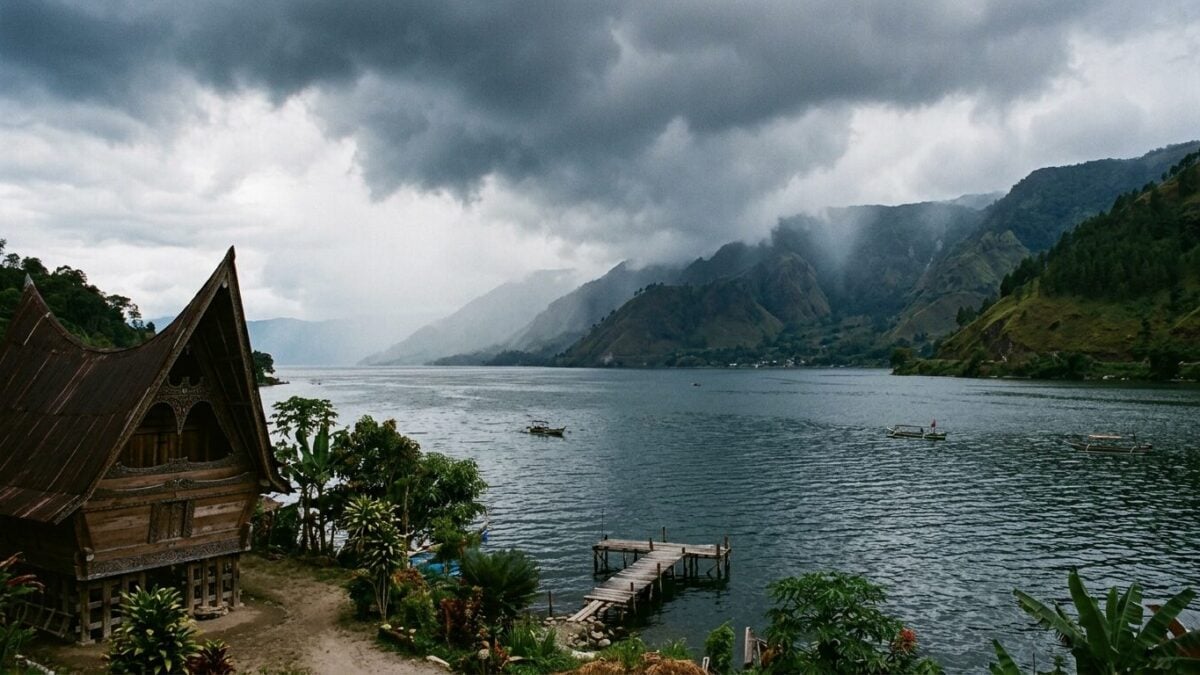
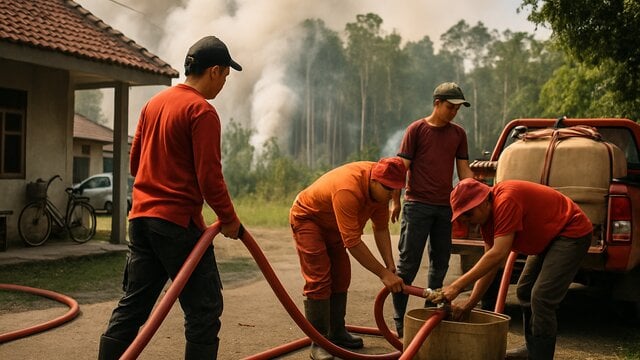
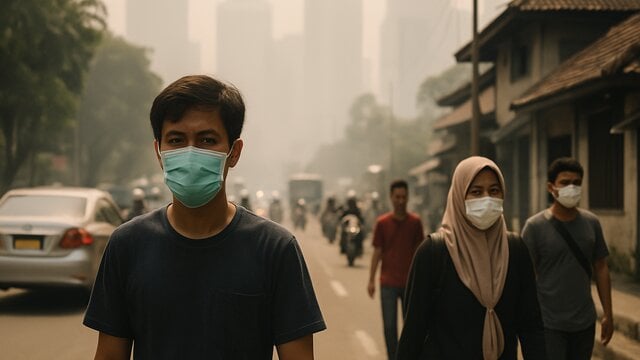
LAKE TOBA, Indonesia — Haze from forest and land fires has spread across almost all of North Sumatra, prompting Governor Bobby Nasution to launch a weather-modification effort aimed at bringing rain and limiting disruption to daily life. The first attempt is planned around Lake Toba on Thursday, Oct. 15, 2026, with other areas to follow in stages.
The effort comes as smoke from fires in several provinces has reached North Sumatra. Nasution has not identified the fire locations or provided details on the extent of the affected areas, but said the provincial government would adjust its response according to conditions on the ground.
Rainmaking effort starts around Lake Toba
Nasution announced the plan while visiting SMA Negeri 1 Pulau Rakyat, a high school in Asahan regency. He said the weather-modification operation would run through the following day, with the initial focus on the Lake Toba area.
“Today through tomorrow, we are also trying weather modification to bring rain to North Sumatra. Today we are trying it in the Lake Toba area,” Nasution said.
The governor said other parts of the province would be included gradually. He did not specify which areas would be next or provide operational details about how the rainmaking effort would be conducted.
For residents, the concern extends beyond hazy skies. Nasution said persistent smoke could interfere with daily activities, and the government is seeking rain to reduce the haze reaching populated areas. The effort’s impact will depend on whether it produces rainfall in each targeted location.
Dry ice considered if rain does not come
Nasution said some areas might not receive rain despite the weather-modification effort. If haze remains high, he said, the provincial government would consider other measures rather than assume the initial attempt had worked across North Sumatra.
He said he had spoken with South Sumatra Governor Herman Deru about the use of dry ice. Nasution described the approach as a way to help lift smoke higher so it would not descend toward the ground and pose a danger to the public. His remarks did not explain how the method would be deployed in North Sumatra or when it might begin.
“I spoke with the South Sumatra governor, who today has also used dry ice to lift the smoke so it can rise and not come down to the ground where it could be dangerous, using the technology available,” Nasution said.
The next steps will depend on local conditions and whether the rainmaking effort succeeds in reducing haze. Nasution said the government would try different measures if smoke continued to disrupt residents’ daily routines, including in areas where the initial operation does not bring rain.
“If tomorrow’s effort to bring rain to several areas in North Sumatra succeeds, there may be some areas where it does not. If the haze remains high, we will try various efforts to ensure the smoke in North Sumatra does not disrupt our daily activities,” he said.