Kalimantan Fire Smoke Reaches Jakarta; BMKG Urges Masks
Kalimantan fire smoke has reached Jakarta, prompting BMKG to advise masks outdoors. Pollution readings and the most affected areas remain unspecified.
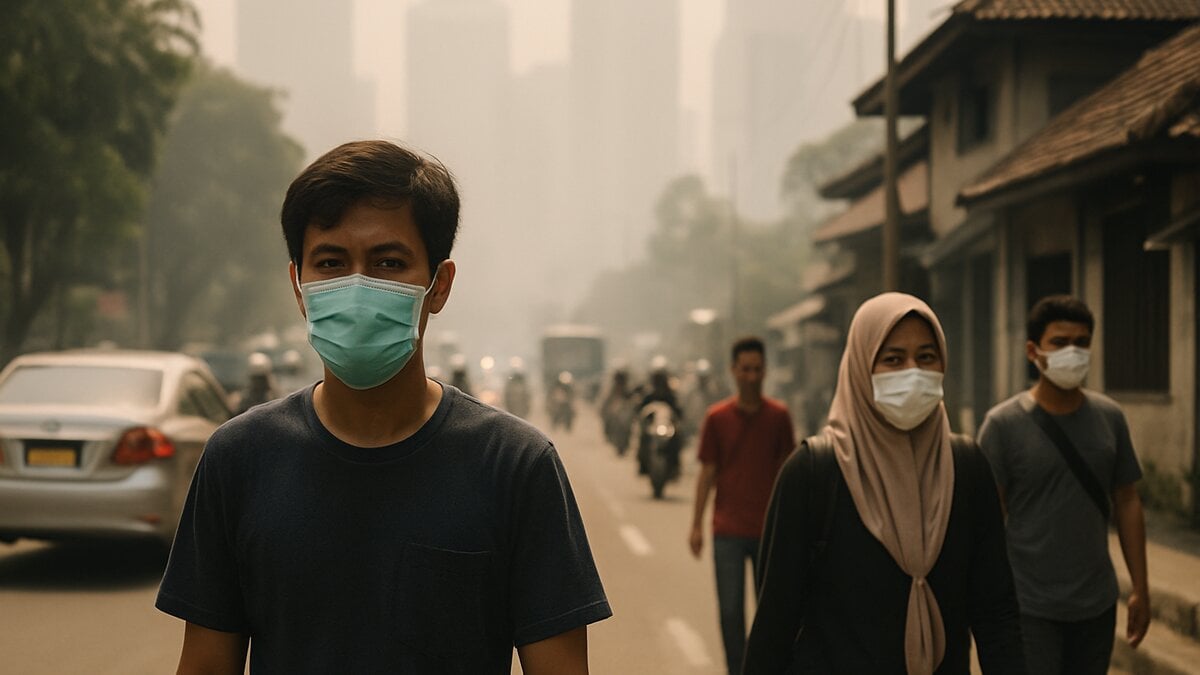
JAKARTA — Smoke from forest and land fires in Kalimantan has reached Indonesia’s capital, prompting the country’s weather agency to advise residents to wear masks outdoors. The warning raises concern for commuters and others spending time outside, while officials have not released pollution readings or identified the hardest-hit parts of the city.
Indonesia’s Meteorology, Climatology, and Geophysical Agency (BMKG) confirmed that smoke from fires in Kalimantan had spread as far as Jakarta. The information provided did not say when the smoke arrived, where it was most concentrated or how much smoke was present in the air.
BMKG advises Jakarta residents to wear masks
The agency’s advice applies to people carrying out activities outdoors. It did not specify a mask type or how long residents should wear one. People heading to work, accompanying family members or completing other daily errands were urged to pay attention to conditions and follow official updates.
The smoke’s arrival shows that the effects of fires in Kalimantan can extend beyond the areas where they start. For Jakarta residents, that means taking care during outdoor activities and considering whether nonessential time outside can be avoided. BMKG has not issued specific guidance for particular groups in the information available.
There are no air-quality measurements or pollution levels in the report, so the severity of conditions in Jakarta cannot be established from the smoke alert alone. Nor does the information identify the fire locations or describe the route the smoke took to reach the capital. Those gaps leave residents without a detailed assessment of local exposure.
Air-quality details remain unavailable
Forest and land fires can produce smoke that travels beyond the burn area. In this case, BMKG confirmed that smoke from Kalimantan had reached Jakarta, but did not provide figures for the area burned, the number of fire hotspots or the concentration of pollutants.
That distinction matters for people deciding how to manage outdoor activities: the agency has issued a precautionary recommendation, but the information available does not establish a specific health risk or show how conditions vary across the city. Residents should look to official updates for further information on air conditions and any changes to the guidance.
For now, BMKG’s stated advice is straightforward: wear a mask when activities require being outdoors.