Indonesia Wildfire Smoke Disrupts Nearly 2,500 Flights
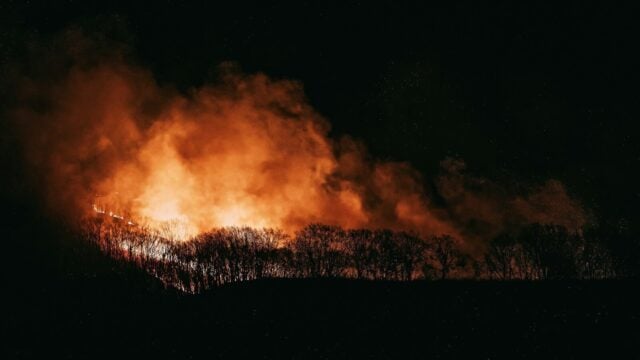
Wildfire smoke disrupted 2,458 domestic flights in Indonesia, with delays and cancellations across several regions and international routes also affected.
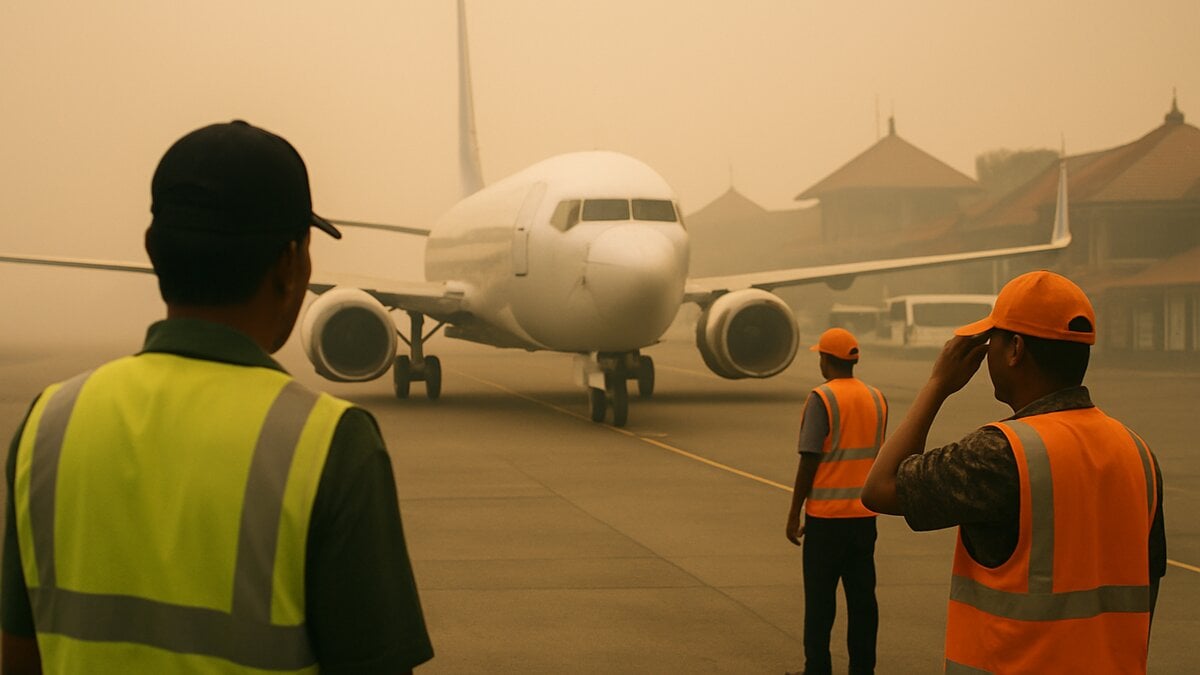
JAKARTA — Wildfire smoke has disrupted 2,458 scheduled domestic flights in Indonesia since Aug. 11, grounding services and complicating travel across an archipelago where many communities rely on air links. The Transport Ministry said the impact was recorded through Oct. 17, with international routes also hit by cancellations.
The tally rose by 437 flights from the figure reported on Oct. 13. Passengers may face delays, cancellations or changed departure times, and authorities advised travelers to check directly with airlines before heading to the airport.
Lukman F. Laisa, director general of civil aviation at Indonesia’s Transport Ministry, said officials were monitoring wildfire impacts on airport operations in several regions. Smoke can reduce visibility near airports, affecting both safety and the ability to keep flights running.
“Every operational decision is made with safety as the priority,” Lukman said in a statement issued Monday, Oct. 19.
Wildfire smoke spreads flight disruption
Of the affected domestic flights, 1,080 were delayed. Another 1,324 were canceled or postponed, 22 were diverted to other airports, six returned to their departure airports and 26 were moved to earlier times.
From Oct. 13 to Oct. 17, smoke affected airports in Sulawesi, Maluku and North Maluku, as well as Kalimantan, Papua and Sumatra. The locations included Mutiara SIS Al-Jufrie Airport in Palu, Pattimura Airport in Ambon, Supadio Airport in Pontianak and Sultan Syarif Kasim II Airport in Pekanbaru.
In Central Sulawesi, affected airports included Mutiara SIS Al-Jufrie, Maleo, Syukuran Aminuddin Amir and Sultan Bantilan. Sangia Nibandera and Betoambari in Southeast Sulawesi, and Toraja Airport in South Sulawesi, were also listed.
In North Maluku, smoke affected Sultan Babullah and Oesman Sadik airports. Pattimura and Karel Sadsuitubun were affected in Maluku. In Papua, the list included Mozes Kilangin, Douw Aturure, Wamena, Domine Eduard Osok, Utarom and Babo.
The disruption also reached Supadio and Rahadi Oesman in West Kalimantan, and Iskandar, H. Asan and Tjilik Riwut in Central Kalimantan. Other affected airports included Robert Atty Bessing in North Kalimantan, Sultan Mahmud Badaruddin II in South Sumatra, Sultan Thaha in Jambi, Dr. Ferdinand Lumban Tobing in North Sumatra and Malikussaleh in Aceh.
International and pioneer flights canceled
Authorities recorded 14 international flight cancellations. Twelve services on the Singapore-Pontianak route, covering both directions, were canceled from Sept. 12 to Sept. 23 because of smoke at Supadio Airport. Two Singapore-Palembang services, also covering both directions, were canceled on Oct. 15 because of smoke at Sultan Mahmud Badaruddin II Airport.
Smoke also led to 22 cancellations among pioneer flights on Oct. 16, including two cargo flights. Six cancellations each occurred in the Singkep and Tanah Merah coordination areas, while Kuala Pembuang and Gorontalo recorded four and six cancellations, respectively.
Separate from wildfire-related disruption, 20 scheduled domestic flights were canceled for other reasons, including volcanic ash from Mount Lewotolok and Mount Dukono, bad weather, strong winds, and aircraft maintenance or technical problems.
For passengers, the wide geographic spread means a disruption at one airport can complicate journeys that depend on connecting services. Operational changes may follow shifts in visibility, so checking airline updates before departure can help travelers avoid arriving with outdated flight information.
Airports ordered to strengthen safeguards
Indonesia’s Directorate General of Civil Aviation asked airport operators in affected areas to prepare mitigation measures. Working with AirNav Indonesia, the country’s air navigation service provider, and the Meteorology, Climatology, and Geophysics Agency (BMKG), airports were told to apply Low Visibility Procedures, issue Notices to Airmen (NOTAMs) and increase airside operational readiness.
Terminal services should also be strengthened, the directorate said, including flight information and masks for passengers. It urged the public to stay calm, avoid unverified reports and check weather and flight developments with airlines.
Water-bombing operations are also supporting wildfire response. From April 20 to Oct. 16, the effort recorded 5,179 flight cycles by 38 aircraft from 11 operators. Airports in affected areas have supported the operation with parking areas for aircraft and helicopters, flight-slot priority, monitoring posts, and records of water sources and fuel availability.
The Directorate General of Civil Aviation is coordinating through its regional airport authorities, numbered I through X, with airport operators, AirNav Indonesia, airlines, BMKG and other agencies. The ministry’s latest count puts domestic flights affected by wildfire smoke at 2,458 through Oct. 17.