Beetles can sense wildfires, while controlled burns cut ticks
Fire beetles detect infrared radiation and can gather around recently burned areas, including cleanup zones after fires in north Spokane. Prescribed burns have…
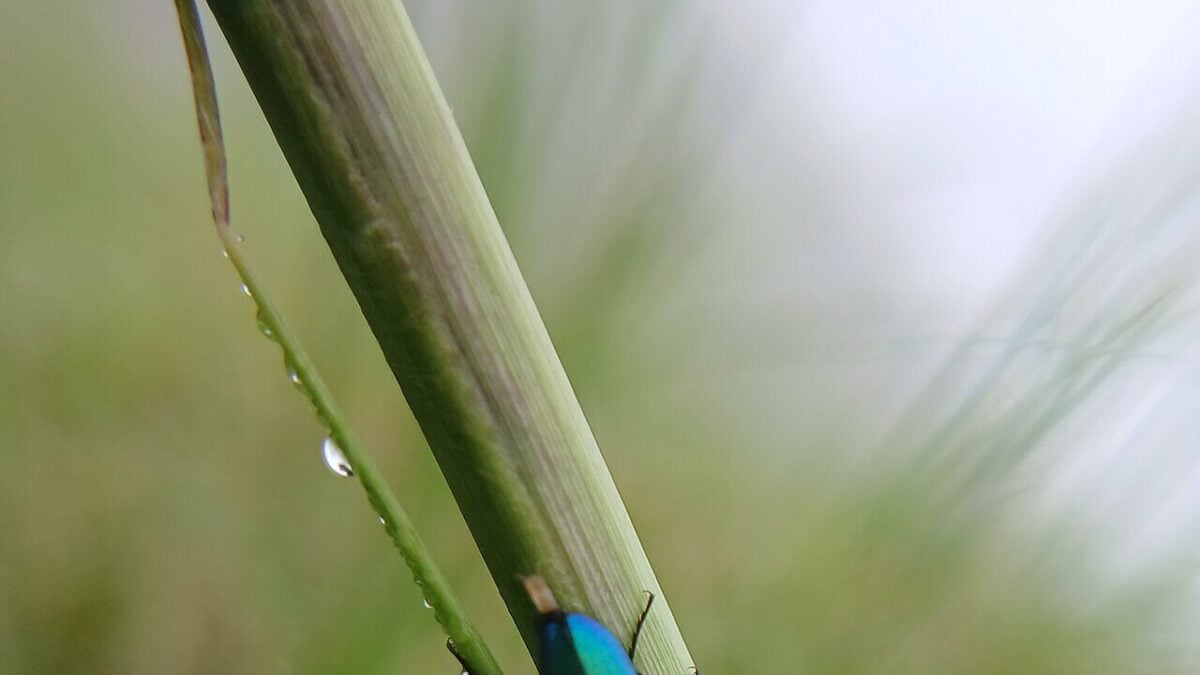
After wildfires burned through north Spokane, Washington, early this year, thousands of black fire beetles appeared in the ash. Beetles can sense wildfires through infrared radiation, while prescribed fires can reduce tick numbers under specific conditions, according to reporting by FOX Weather.
The contrast matters for people near burned areas: beetles may crawl onto equipment or skin and bite, while planned burns can change the shaded, damp habitat ticks need. The two kinds of fire have different effects and are not interchangeable.
The beetles belong to the genus Melanophila. The U.S. Forest Service says sensors on their bodies detect infrared radiation from forest fires, drawing them to recently burned wood, where they lay eggs.
Following the Spokane Complex fires, the insects moved into burned neighborhoods and cleanup zones. Entomologists told FOX Weather that beetles can arrive while crews are still working or in the days afterward, sometimes by the thousands.
They can mistake warm people for charred wood. Their mandibles are built to chew into trees, and a bite can sting.
Wildfires are uncontrolled ignitions that can spread in difficult-to-manage conditions and destroy homes and infrastructure, according to the U.S. Forest Service. Prescribed fires, also called controlled burns, are planned under predetermined conditions to meet land-management goals.
That distinction shapes the effect on ticks. Prescribed burns can remove the shaded, damp cover ticks need to survive, but the outcome depends on how often and how extensively the land is burned.
“Prescribed burning frequently and in an impactful way…can also reduce ticks, when it shapes that environment,” Dr. Michael Gallagher, a research ecologist at the Northern Research Station with the U.S. Forest Service, told FOX Weather.
Scientists have recorded tick mortality exceeding 75% in past field burns. In southern pine forests maintained with frequent fire, University of Georgia researchers found encounters with ticks carrying pathogenic bacteria fell by as much as 98%, according to FOX Weather.
Those results depended on repeated burns over at least a decade, conducted every two to four years. A single burn does not produce the same effect and can temporarily increase tick numbers.
The conditions that favor ticks have also been linked to longer gaps between fires. Eastern forests once burned every 1 to 25 years, while decades of fire suppression stretched those intervals to 50 to 100 years across much of the East, according to USDA Forest Service research cited by FOX Weather. The resulting cooler, shadier understories suit ticks.
“Really, ticks have been able to thrive because of the byproduct of not burning; and not having as much cutting or work in the forest has enabled a really moderate environment for them,” Gallagher said.
The consequences extend to public health. Tick-related emergency room visits have surged since 2017, according to the Centers for Disease Control and Prevention. About 31 million Americans are bitten by ticks each year, and roughly 476,000 are treated for Lyme disease.
FOX Weather reported that the U.S. Forest Service recommends prescribed burns as a land-management tool, while the figures on tick mortality and encounters point to the role of repeated treatment: in the cited research, burns came every two to four years.
Source: foxweather.com