Goldman Sachs, JPMorgan, Morgan Stanley Take AI Trading Lead
JPMorgan Chase and Morgan Stanley generated a combined $52 billion in stock-trading revenue so far this year, capturing nearly 80% of the top five banks’…
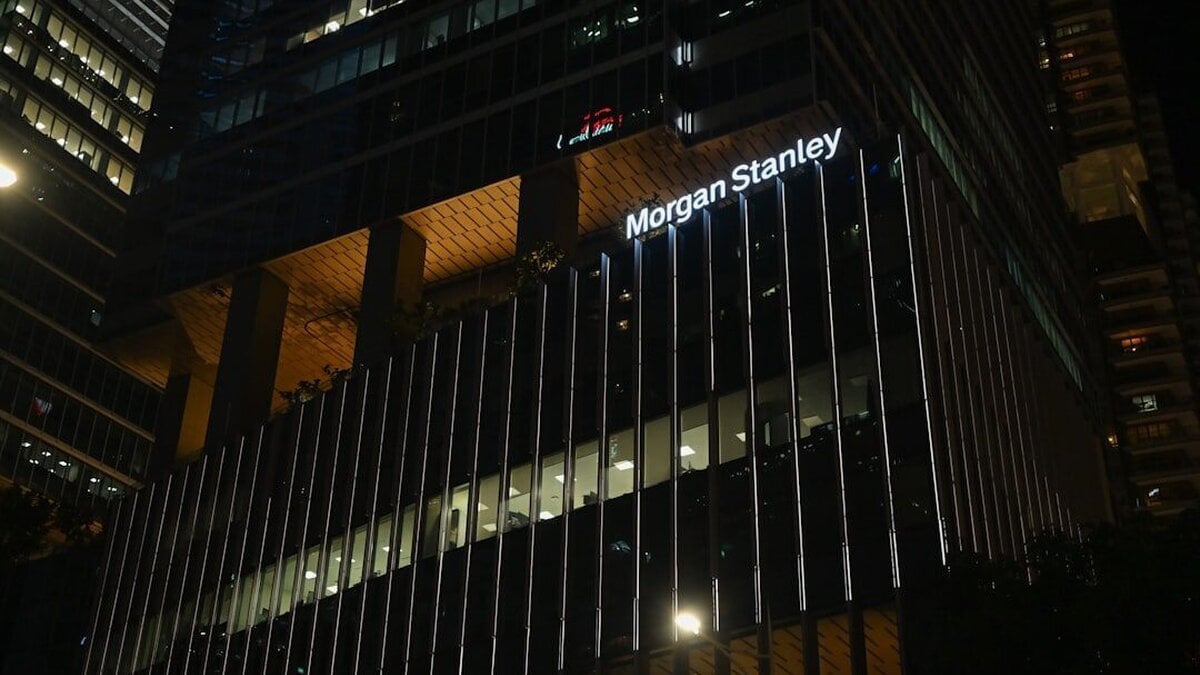
Goldman Sachs, JPMorgan and Morgan Stanley have captured nearly 80% of the top five banks’ equity-trading revenue so far this year, generating a combined $52 billion as investors piled into artificial intelligence stocks. The banks’ financing to hedge funds for leveraged bets on AI hardware and Asian semiconductor supply chains helped drive the gains, according to CNBC.
The five biggest investment banks generated about $67 billion in equities revenue through Sept. 30, according to company filings cited by CNBC. That was $7 billion more than the group earned during all of 2025, which had itself been a record year.
The figures show how trading tied to the AI boom is concentrating business among the largest Wall Street firms. Their deep balance sheets let them take on risks and serve large clients that smaller rivals may not be able to match.
Goldman Sachs, JPMorgan and Morgan’s financing edge
The banks’ advantage extends beyond executing stock trades. Through prime brokerage, they provide hedge funds with margin loans, securities lending and other trading services. That business has become a key source of growth as funds seek more capital to increase their market bets.
Demand for leverage linked to AI hardware, hyperscalers and chip suppliers has reached new heights, bank executives said last week. At Goldman Sachs, equities financing activities rose 96% in the third quarter to a record $3.37 billion. JPMorgan and Morgan Stanley do not report that figure separately, but said they saw a similar dynamic.
“I like your 'insatiable demand for capital' point. That feels about right,” JPMorgan Chief Financial Officer Jeremy Barnum said on the bank’s third-quarter conference call, responding to an analyst’s question about financing demand.
Barnum also described capital flowing through different channels as AI dominated market activity. “In this moment where AI is such an overwhelming theme ... there is capital being tapped through all kinds of different mechanisms,” he said.
That borrowing has helped turn the banks’ equity desks from businesses heavily tied to market cycles and individual transactions into steadier, higher-margin lending operations, Wall Street executives told CNBC.
Large balance sheets help capture client business
The Big Three’s scale matters when clients want to place large, complex bets. Trading executives told CNBC that multibillion-dollar positions, including leveraged swaps on volatile AI stocks or sector exchange-traded funds, can demand an enormous balance sheet. The largest banks can absorb potential losses of $100 million without putting their quarters at risk, while smaller or more specialized lenders face greater constraints.
That difference is widening the gap between the biggest firms and rivals including Bank of America and Citigroup. The International Monetary Fund and other bodies have cautioned about rising leverage, even as relaxed rules around leverage have helped banks deploy their balance sheets to meet demand.
For clients, the appeal also lies in service across markets and products. “For clients, the value isn't just a price on one trade, it's coverage and continuity,” Rachid Alaoui, JPMorgan’s global head of equities, told CNBC. He said clients want a dealer able to provide a full range of products and maintain service across regions, particularly during stressed markets and periods of volatility.
Wells Fargo banking analyst Mike Mayo told CNBC that Goldman Sachs, JPMorgan Chase and Morgan Stanley view one another as their main competitors in the AI trade. “They've been best positioned to take advantage of this market,” he said.
With one quarter left in the year, the banks’ results through Sept. 30 put their financing operations at the center of the race for AI-linked trading business.
Source: cnbc.com