Boom weight-loss drugs lead to Heineken pub sales warning
Heineken has warned British pubs that wider use of weight-loss drugs could reduce alcohol consumption and beer and cider sales. The brewer’s presentation…
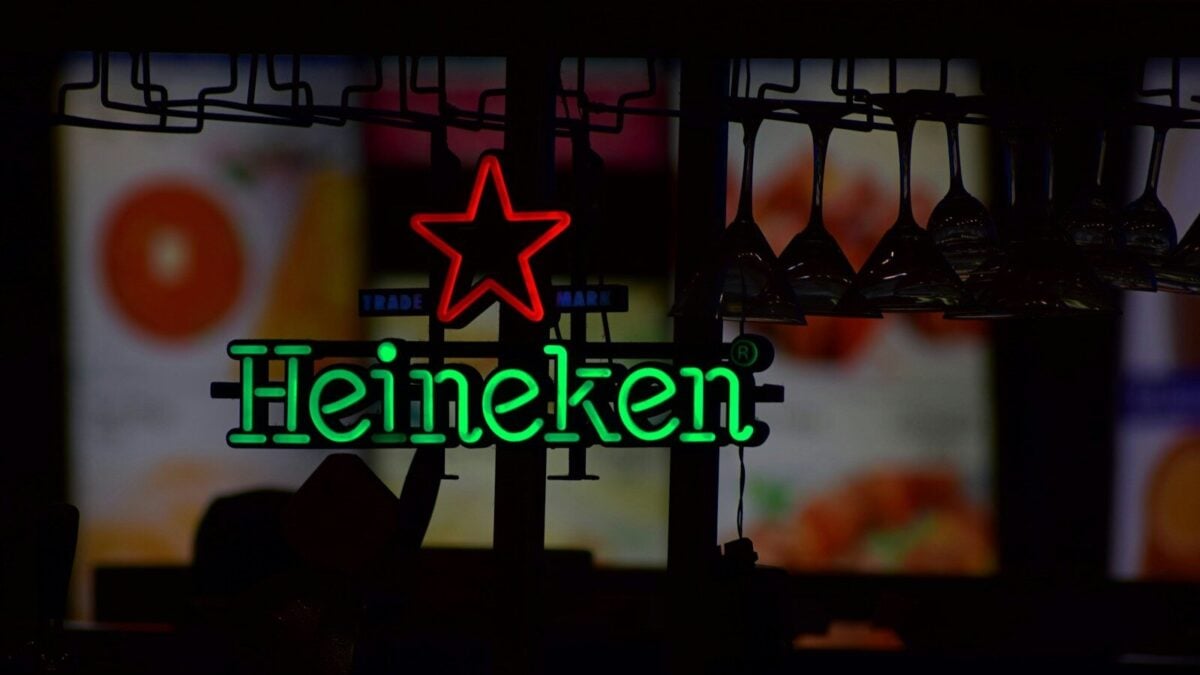
As weight-loss drugs reshape some consumers’ choices, Heineken has warned British pubs that the boom in their use could lead to lower beer and cider sales. A presentation the brewer sent to UK hospitality customers said GLP-1 medicines, including Ozempic and Wegovy, may reduce the desire to drink alcohol and prompt customers to order fewer pints.
The warning puts a possible shift in drinking habits on the radar of pubs, bars and restaurants, where Heineken says almost £14bn in beer sales were recorded in the year to February. The company suggested businesses offer half pints, low- and no-alcohol drinks, and small plates alongside drinks.
Heineken’s presentation, shared with customers earlier this month and revealed by Reuters, said GLP-1 use could bring “fullness and fewer serves” in pubs and bars. It also warned that the traditional multi-pint drinking session could become less frequent.
A short pour may matter.
The brewer said users of GLP-1 medicines appear to favor smaller servings, lower-alcohol drinks and more premium products. It advised pubs to adjust their offers or risk a decline in customer visits and spending. The presentation was part of Heineken’s regular engagement with UK businesses, the company said.
Heineken tracks changing customer choices
“We see some changes in consumption behaviour among (GLP-1) users and will continue to monitor how these behaviours evolve in 2027,” a Heineken spokesperson said. The spokesperson added that the company was monitoring GLP-1 medicines alongside broader changes in consumer behavior.
The company said its latest consumer research does not show users simply replacing alcohol. Instead, the spokesperson said, they are making more purposeful choices and widening their preferences. Heineken described those behaviors as part of broader trends toward health and wellbeing, moderation, choice and more intentional consumption across its markets.
The potential shift has direct consequences for hospitality businesses: if customers choose smaller servings or visit less often, pubs may need to rethink what they offer and how they pair drinks with food. Heineken’s recommendations focus on giving customers more options, rather than assuming they will stop drinking altogether.
The presentation cited a market in which no- and low-alcohol beer still accounted for less than £300m of the almost £14bn in British pub, bar and restaurant beer sales in the year to February. The figures indicate the current scale of that segment, while the company’s warning concerns how consumer preferences may evolve.
GLP-1 medicines, including Wegovy and Ozempic, have grown in popularity among people seeking weight loss. Research by JP Morgan cited by the Guardian said 10 million people in the US turned to medication last year. That figure relates to use in the US, not UK pub customers.
Other brewers differ on the likely effect
Heineken is not the only drinks company considering the possible consequences. Diageo, the maker of Guinness, has told investors that any impact from GLP-1 drugs becoming mainstream should be manageable. Carlsberg told Reuters that data did not support the view that weight-loss drug use was affecting beer consumption trends.
Research companies including Circana, NIQ and KAM have published surveys pointing to reduced drinking by GLP-1 users, according to the Guardian. The available reporting does not establish how much those changes have affected pub sales.
Heineken said its consumer research also finds preferences extending beyond medicine use. Its spokesperson said the choices reflect wider interest in moderation and wellbeing, while the company continues to observe how GLP-1-related behavior develops.
The brewer said it will continue monitoring those changes in 2027.
Source: theguardian.com