Gears War E-Day reportedly cost $500 million to develop
Gears of War: E-Day reportedly cost $500 million to make and has sold just over 400,000 copies across console and PC. The reported budget, which excludes…
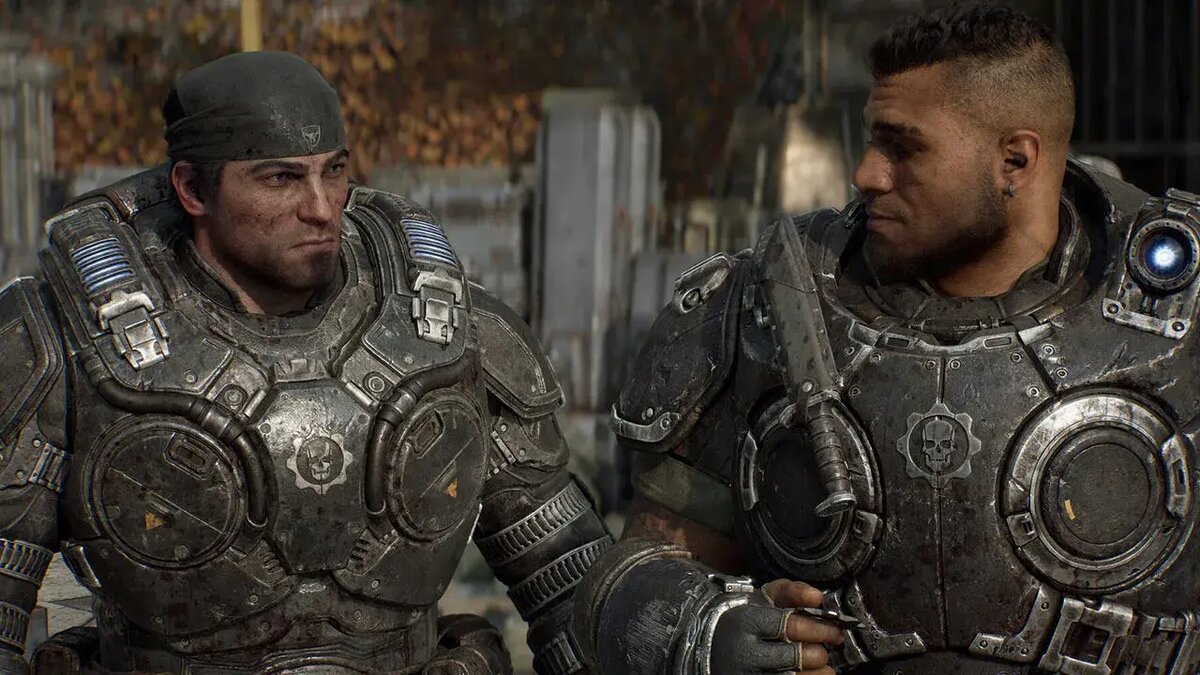
The Coalition’s Gears of War: E-Day reportedly cost $500 million to make and has sold just over 400,000 copies across console and PC, putting pressure on the commercial case for the Xbox game. Microsoft released it on Xbox Series X and S and PC, with day-one availability on Xbox Game Pass.
The reported budget was given before marketing costs. Alinea Analytics estimated on October 13 that the game had generated $42.1 million in revenue after selling 311,000 copies across Steam and Xbox. The figures point to a gap between development spending and sales revenue, while leaving Game Pass subscriptions as another part of the game’s commercial picture.
What is known about Gears of War: E-Day’s sales?
The game has sold just over 400,000 copies across console and PC, according to a report this week. That figure is higher than the 311,000 copies in Alinea Analytics’ October 13 estimate, which covered Steam and Xbox.
The two figures describe different reported snapshots and platforms. Alinea Analytics’ Rhys Elliott also estimated that E-Day generated $42.1 million in revenue and pointed to a boost in Game Pass subscriptions that appeared to follow the release.
That subscription effect matters because E-Day launched on Game Pass on its first day. Microsoft may weigh subscription growth alongside direct sales when assessing the game, though the reported revenue figure alone does not establish whether the title has recovered its reported development budget.
A $500 million budget raises the stakes
Jason Schreier, a Bloomberg reporter, said the $500 million figure was real in a video discussing the cancellation of Mass Effect 5 and BioWare’s closure. “We just saw Gears of War: E-Day cost $500 million to Xbox. And that is a real number. That is real,” Schreier said.
The figure was first reported as a pre-marketing budget. That distinction means the total expense could be higher once marketing is included, but the available sales and revenue estimates do not provide a complete accounting of the game’s costs or returns.
Schreier linked the scale of major game budgets to layoffs, cost-cutting, development moving outside North America and studios concentrating on large franchises with less risk. His comments framed E-Day’s reported spending as part of a wider pressure on game companies, rather than a question about one release alone.
The article also cited other high-budget games as comparisons. Marathon reportedly had a budget of more than $250 million, while Concord’s initial development deal was around $200 million. Documents submitted in the Xbox Federal Trade Commission case showed The Last of Us: Part II and Horizon Forbidden West each cost more than $200 million to develop.
Activision spent $700 million on Black Ops Cold War over the shooter’s life cycle, according to a court document. That figure covers a different period and is not directly equivalent to E-Day’s reported development budget.
What does the report mean for Xbox?
The game arrived after Microsoft chose a console-exclusive release following Asha Sharma’s arrival as Xbox CEO. It did not launch on PS5, a decision Rhys Elliott said may have limited the potential for additional revenue.
Game Pass offers another route to reach players, and Elliott pointed to an apparent subscription boost tied to E-Day’s release. But the reported sales and revenue figures leave the scale of that contribution unclear. For Microsoft, the question is whether subscriptions can help offset direct sales that appear modest beside the reported budget.
Sharma discussed Xbox’s financial position this week by pointing to record sales for Minecraft and World of Warcraft Forever, along with critical acclaim for Call of Duty: Modern Warfare 4. Gears of War: E-Day was not mentioned in those remarks.
The release has also come amid reported concern about staff cuts at The Coalition. Earlier this month, the studio’s boss responded to reports that employees feared losing their jobs, saying the next Gears game would not take as long to make.
One source quoted in a report about internal concerns said staff were waiting before celebrating the release: “The mood is certainly 'let's not celebrate the game until we're three months post launch, just in case,' which is very unusual.”