Labour’s £5,950 VED Charge for Highest-Emission Cars Set to Rise in 2027
A first-year Vehicle Excise Duty bill for the highest-emitting new cars is expected to rise to £5,950 from April 2027, up £260. The increase is part of an…
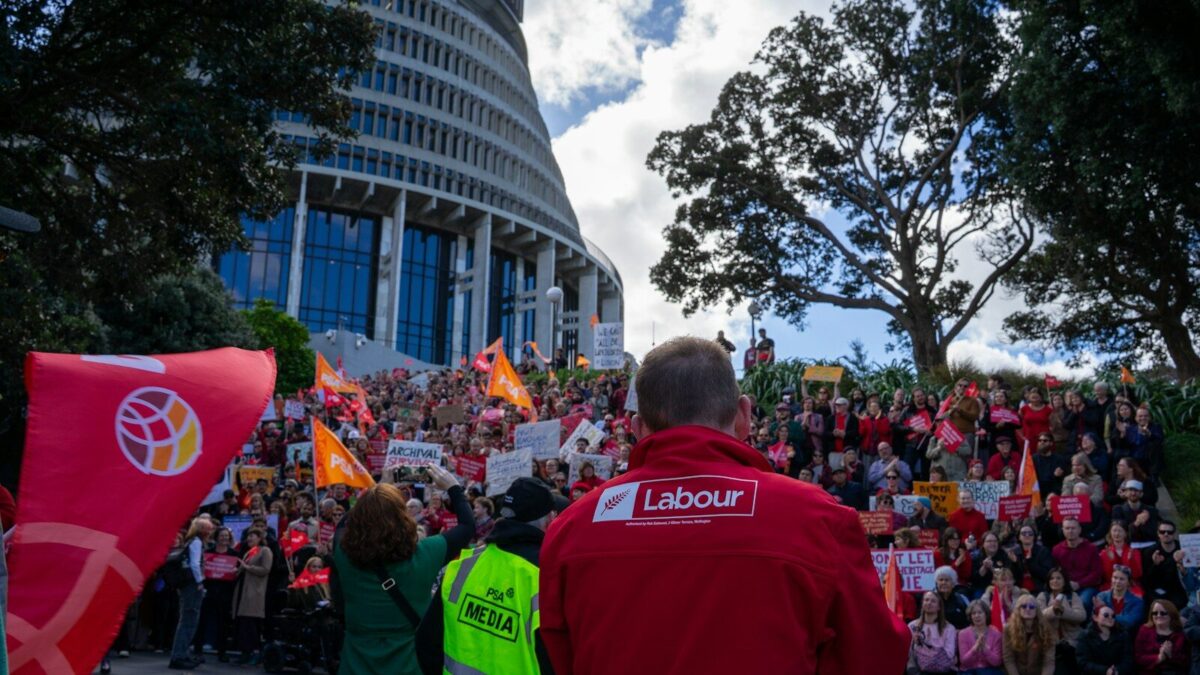
Cars emitting more than 255g/km of CO2 are expected to face Labour’s £5,950 VED car charge in their first year from April 2027, a rise of £260. The increase follows the Treasury’s confirmation that vehicle tax rates will be uprated in line with inflation.
The charge applies to new cars in the highest-emissions band. For motorists buying one of those vehicles, the expected first-year bill would rise from £5,690, adding hundreds of pounds to the upfront cost of putting a new car on the road.
How much will first-year VED rise?
The Treasury document says VED rates for cars, vans and motorcycles will rise in line with the Retail Prices Index (RPI) from 1 April 2027. Figures calculated by motoring specialists at Pete Bardem show increases across several first-year car-tax bands.
For new cars emitting between 22 and 255g/km of CO2, the expected fee will rise from £4,850 to £5,070, an increase of £220. Cars in the 191 to 225g/km band are expected to face a first-year fee of £3,575, compared with the current £3,420.
The Treasury’s Budget document stated: “The government will uprate VED rates for cars, vans and motorcycles in line with the Retail Prices Index (RPI) from 1 April 2027.”
Why the increase matters to motorists
The change raises the initial tax bill for people buying a new car in the affected emissions bands. The highest rate applies to vehicles emitting more than 255g/km, while the expected £5,070 charge covers the broad 22 to 255g/km range. The increase is an annual inflation-linked adjustment, rather than a new tax measure beyond the uprating confirmed by the Treasury.
Motoring costs are already a concern for drivers, particularly fuel costs. In his Budget statement, John Healey said the cost pressures affect households and businesses alike: “For millions of people the cost of living and the cost of doing business is the same. The home is the office and the van is the family car.”
The latest increase follows changes to first-year tax bands introduced in April 2025, when Rachel Reeves doubled them. The highest-polluting models had a first-year fee of £2,745 in early 2025; the expected £5,950 rate from April 2027 is more than £3,000 higher.
The Treasury’s inflation-linked VED uprating is due to take effect on 1 April 2027.