Fighting Returns in Kherson Region After Six-Day Truce
Fighting resumed in Ukraine’s Kherson region after a six-day ceasefire that enabled hundreds of people to leave Russian-occupied Oleshky. Local authorities…
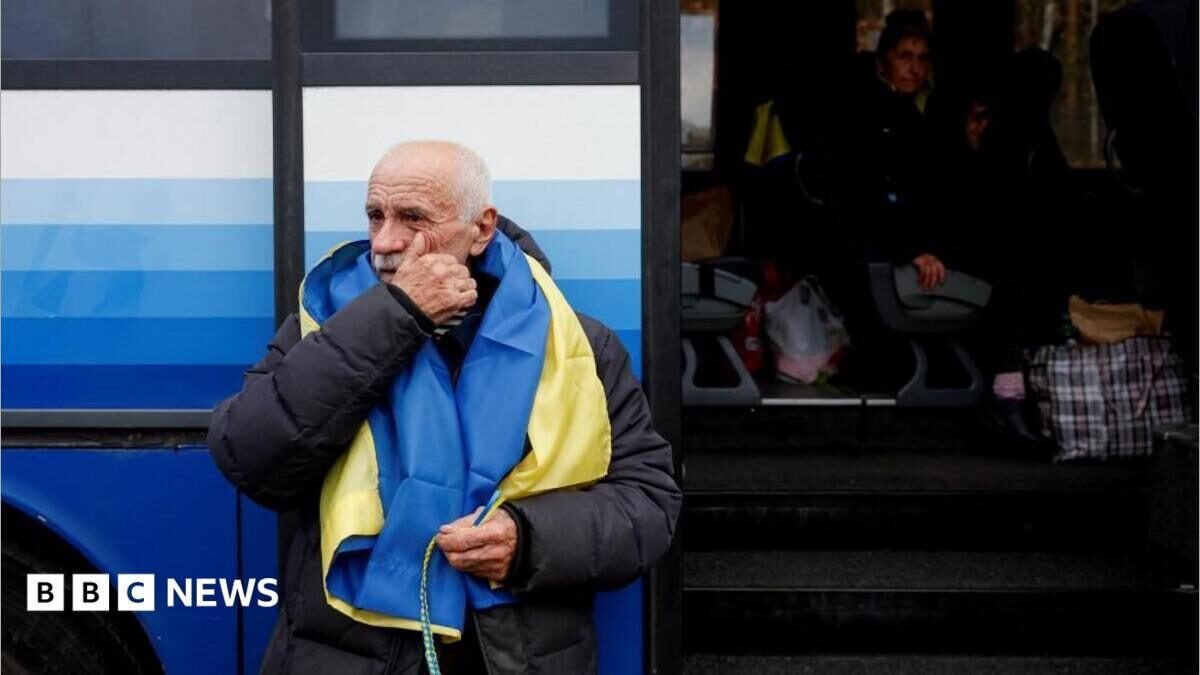
Ukraine’s local authorities said fighting returns kherson region after a six-day ceasefire ended, with strikes reported in Kherson city on Monday. The pause allowed hundreds of people to leave Russian-occupied Oleshky, but brought no extension of the truce.
Authorities said Moscow struck a medical facility in central Kherson and a Russian drone hit a car carrying a 62-year-old woman and a 73-year-old man, injuring both. The renewed attacks put civilians back under threat after several days of relative quiet in the front-line area.
The ceasefire, which ended on Sunday night, was the longest multi-day truce between Russia and Ukraine since Russia’s full-scale invasion began in 2022. It covered Oleshky and surrounding areas in the southern Kherson region.
Hundreds of residents trapped in Oleshky were able to evacuate during the pause. Ukraine’s military said it also moved 167 civilians from threatened parts of the region to safer locations on Sunday, including 22 children and 21 people with limited mobility.
What happened after the Kherson ceasefire ended?
Local authorities confirmed strikes had resumed on Monday morning. The reports included an attack on the medical facility and the drone strike on the car, while the ceasefire itself had ended the previous night.
Ukraine’s General Staff accused Russian forces of using the pause to improve their battlefield positions. “The enemy used the humanitarian pause to set up their positions,” the General Staff said, citing the rotation of Russian units, added anti-drone equipment on roads and ammunition deliveries.
Kremlin spokesman Dmitry Peskov said it was “reasonable to assume that the Ukrainian army also used this period for the necessary regrouping”. He described that as “a completely standard practice in such situations.”
The claims underscore the limits of a truce that made civilian evacuations possible but did not change the wider fighting. For residents near the front line, the return of strikes means the brief opening to leave Oleshky has closed, while danger has resumed in Kherson.
Will there be another local ceasefire?
The Kremlin said it had no plans for another arrangement like the Oleshky pause. Peskov called the truce an isolated case and reiterated on Monday that there were “no similar plans or initiatives”.
US First Lady Melania Trump helped broker the ceasefire. Russia and Ukraine thanked her, though details of her role were not made public. Russia’s human rights ombudsman Yana Lantratova and Ukraine’s human rights ombudsman Dmytro Lubinets also oversaw the pause and travelled to Oleshky, where they spoke with residents.
Both ombudsmen called for the initiative to be repeated elsewhere. Ukraine also said it was prepared to observe similar ceasefires nationwide. The Kremlin, however, dismissed the prospect while the truce was still in effect.
The pause enabled hundreds of people to escape, even as the two sides accused each other of using it for military purposes. Its end leaves the residents who remain in the region facing renewed attacks, with no further ceasefire initiative announced by Moscow.
“There are no similar plans or initiatives,” Kremlin spokesman Dmitry Peskov said on Monday.