Netanyahu and Eisenkot Vie for First Chance to Form Israel’s Next Government
Israel’s next government could hinge on which leader can turn post-election endorsements into a governing coalition. Gadi Eisenkot appears to have an early e...
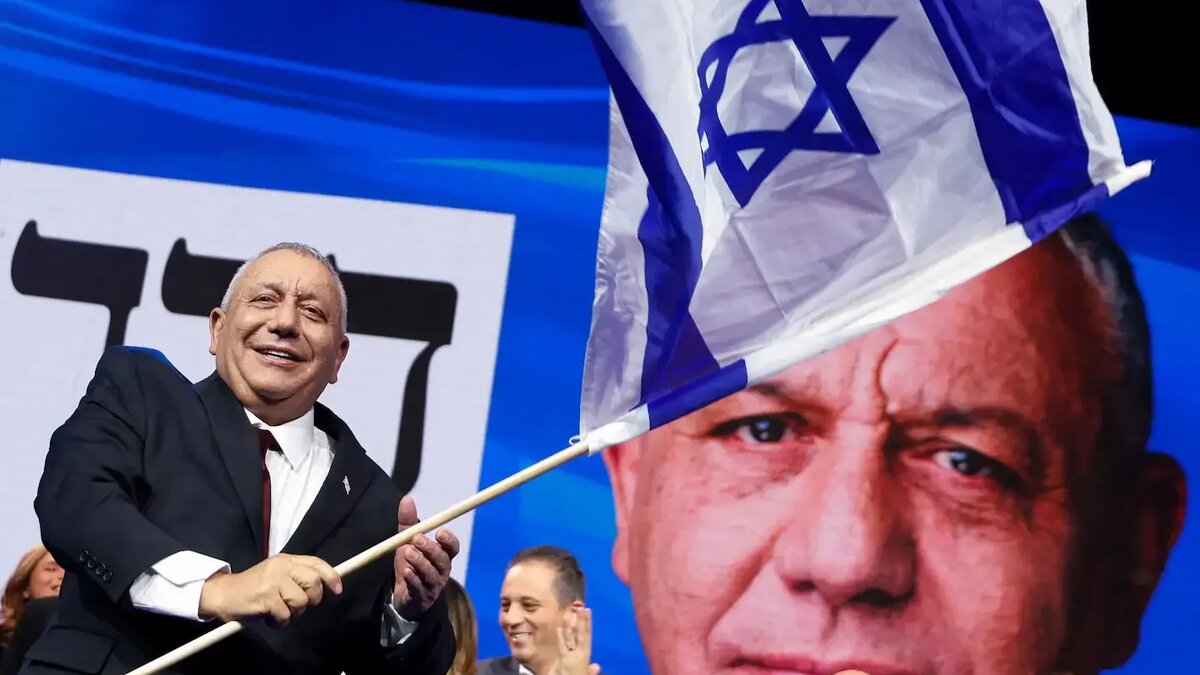
Israel’s next government could hinge on which leader can turn post-election endorsements into a governing coalition. Gadi Eisenkot appears to have an early edge over Benjamin Netanyahu, but neither has secured the mandate to form a government.
President Isaac Herzog is due to begin consultations with parties elected to the 26th Knesset on Wednesday, Nov. 4. Their recommendations will shape which candidate gets the first opportunity to assemble a coalition; the process does not itself settle who will become prime minister.
Endorsements could shape the opening move
Eisenkot is expected to receive support from parties representing 60 seats, compared with 46 for Netanyahu, according to the figures reported ahead of the consultations. Avigdor Liberman and United Torah Judaism have not decided whom to back. Arab parties could also prove pivotal to determining the next government.
The numbers point to a possible advantage for Eisenkot, but they do not guarantee a coalition. Four leaders of parties in his bloc are planning to coordinate their strategy, including whether to seek the first mandate from Herzog. Netanyahu, meanwhile, is set to remain caretaker prime minister after the inconclusive election.
Herzog’s consultations are the next clear milestone. He will hear which candidate each party recommends before deciding whom to task with forming a government. The parties’ choices—and whether the blocs can build support beyond their current endorsements—will determine how the contest develops.
Two different political paths
Netanyahu is the incumbent seeking to remain in power. Eisenkot, a former chief of the Israel Defense Forces, is positioning himself as his rival and has emerged as the figure leading an opposition bloc. Their possible contest could reorganize political alignments around the question of who can command enough support to govern.
The stakes extend beyond the immediate coalition talks. A new government would set Israel’s political direction, while a failure to assemble one would prolong the caretaker period. For now, the undecided parties and the choices made in Herzog’s consultations remain central to the next step.