People in Deprived Areas England 2.3 Times Likelier to Die Early
People in the most deprived areas of England are 2.3 times more likely to die before 75 than those in the least deprived areas, a Health Foundation analysis found. Rates also vary by job status, qualifications and region, with the north-east, north-west and Yorkshire highest.
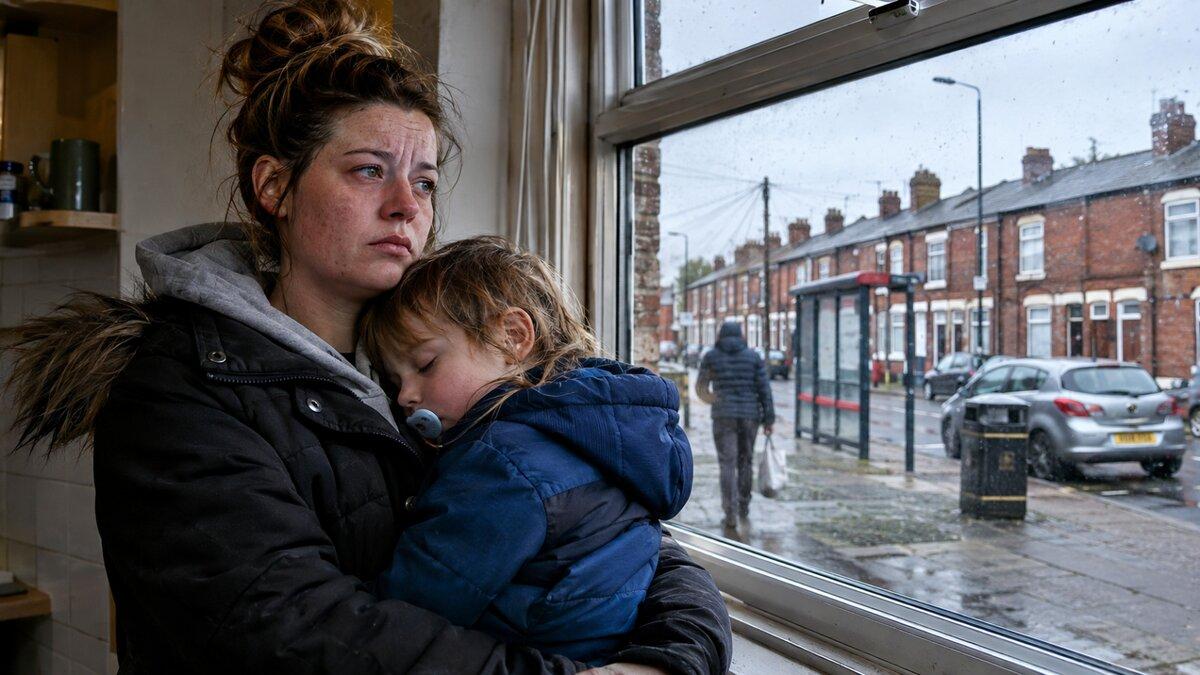
People living in the most deprived areas of England are 2.3 times more likely to die prematurely than those in the least deprived areas, according to analysis published by the Health Foundation, a health research charity. Premature death means dying before the age of 75.
The gap holds for both men and women. In the most deprived areas the rate is 815 premature deaths per 100,000 people, compared with 353 per 100,000 in the least deprived.
The Health Foundation used demographic data from the 2021 census. It matched that with figures on deaths from March 2021 to December 2023.
Jobs, qualifications and region
Women with no qualifications have a premature mortality rate 2.5 times higher than women with a degree or higher. Men who are long-term unemployed or have never worked face a rate 3.5 times as high as men in higher managerial, administrative and professional jobs.
The divide is widest in the north-east, north-west, and Yorkshire and The Humber. It is narrowest in London.
For women who have never worked or are long-term unemployed, the rate is 796 deaths per 100,000 in the north-west. That is 72% higher than in London, where it is 462 per 100,000.
Differences by ethnicity
Black Caribbean men had the highest male rate of premature death, at 573 per 100,000. White British men followed at 537. Chinese men had the lowest, at 284.
Among women, White British and Black Caribbean groups had the highest rates, at 370 and 367 per 100,000. Chinese women recorded the lowest, at 181.
Jabeer Butt, chief executive of the Race Equality Foundation, said lower rates in some ethnic groups do not mean better health or that racism is unimportant. "What our analysis shows is that we need to look beyond ethnicity alone, to understand how migration, poverty, employment, housing and discrimination interact to shape people's chances of living a long and healthy life," he said.
Call for government action
Freya Tracey, principal data analyst at the Health Foundation, said the findings "lay bare the scale of the inequalities that continue to shape people's chances of living a long and healthy life". She said where someone lives should not determine their risk of dying early.
Tracey called for a cross-government approach to improve education, employment and local economic conditions. She said devolution must include support for local areas to deliver prevention. "Without sustained action, inequalities will continue to cut lives short," she said.
The research adds to earlier analysis pointing to a decline in healthy life expectancy. That work found the UK population's health is poor and getting worse, unlike the steady improvement seen in countries such as Japan, Norway and Spain.
The Department of Health and Social Care has been approached for comment.