Teddy Trevor, 91, Recalls the Hurry, Hurry, Get Your Tickets Era
Teddy Trevor, 91, spent a lifetime in Australia's travelling shows. At his Brisbane kitchen table he recalls sideshow spruikers, his grandmother's iron-jaw act and why the showgrounds changed in the early 1970s, as rides, costs and permits squeezed out new showmen.
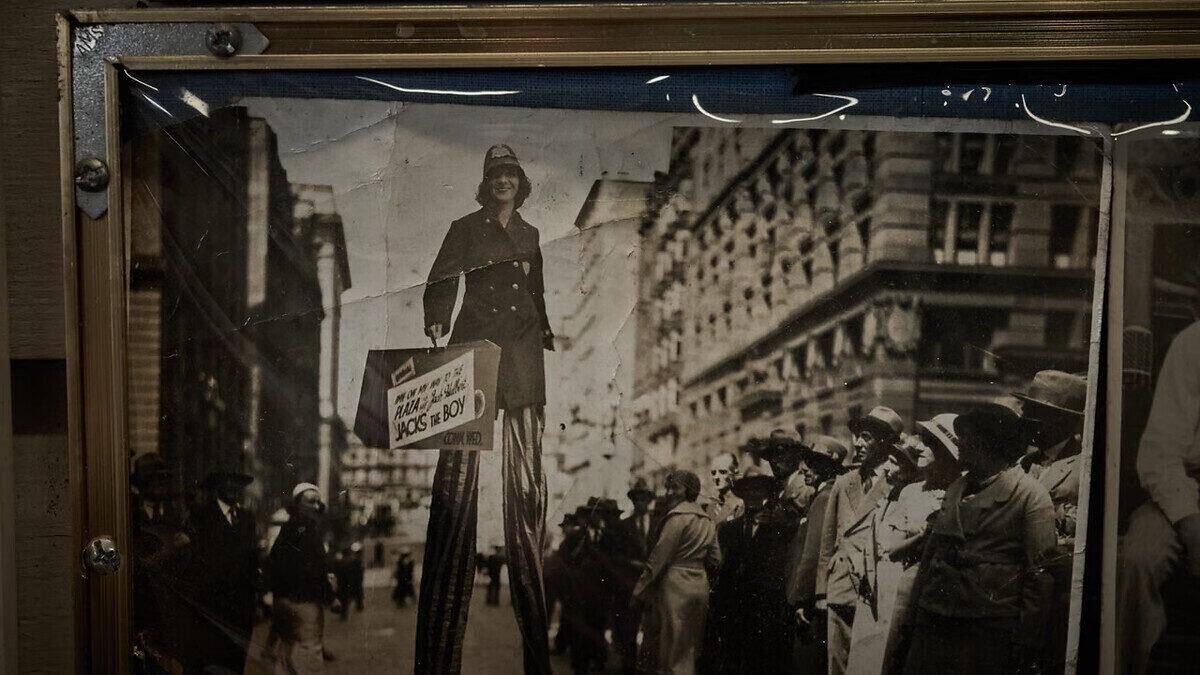
Teddy Trevor, 91, a lifelong Australian showman, still recites the sideshow spruik of his youth at the kitchen table of his Brisbane family home: "Hurry boys, hurry girls, get your tickets now!" He was born on the showgrounds in 1935 and says he has no wish to leave them yet.
Trevor comes from more than eight generations of show folk. He belongs to two families: the Trevors, circus people on his father's side, and the Fosters, sideshow people on his mother's. He says he feels blessed by both.
A family of performers
His grandmother, Cora Trevor, performed an iron-jaw act. She hung upside-down and spun grown men by her teeth, including her acrobat father, who weighed 14 stone (88kg).
His great-grandmother Alice Foster, known as LuLu, arrived in Australia in 1913. She was a widow with six sons and a daughter, and she kept the family fed by running a dancing duck as a sideshow act.
Trevor's own working life began as the second world war halted the showgrounds. He started out selling fabric door to door from a vardo caravan. In the 1950s he worked with his uncle Frank Foster, promoting Slim Dusty's tent show on sideshow alley.
"You start at nine in the morning, you don't finish till after 11 at night, and you do a show every 20 minutes," he says.
The spruikers' patter
Trevor recalls fellow showman Casey Nelson advertising a double-jointed horse in the 1960s. Nelson warned punters the animal was "showing here for the last time" and called out: "Too late, too late will be the cry, when Happy Harry has passed you by." The act ran for another two decades.
Trevor's Slim Dusty pitch promised the knife-throwers, the cowboys, the cowgirls and the jugglers "on the inside". He says the atmosphere of the sideshow was what drew everyone in.
"The show was a big event for the town," he says, and for some places the biggest day of the year. Men wore suits, hats and ties, and women their best dresses. "Now they go in a pair of shorts and thongs," he says.
Why the grounds changed
Trevor dates a drastic shift to the early 1970s. He points to the arrival of television, RSL clubs offering sideshow performers a new way to tour, and state-based showground permits that stopped showpeople branching out. A clown joint, for example, could only do clown business.
A performer could sing half a dozen songs at an RSL, he says, "for what three or four days and hundreds of songs paid them on a sideshow".
Participant numbers fell while costs climbed. Rides worth millions moved in. "The showgrounds are saturated with equipment now," Trevor says. "There's no more ground available, so there's no permits for the young showman."
Prices have jumped too. "They're charging $12 for a game on the clown joint. It's all ridiculous," he says. In his day it cost "only four bob [40 cents] to go and see the show", with some shows at three shillings and a shilling for a child.