Magnússon Urges EU to Offer Richer States Membership Exemptions
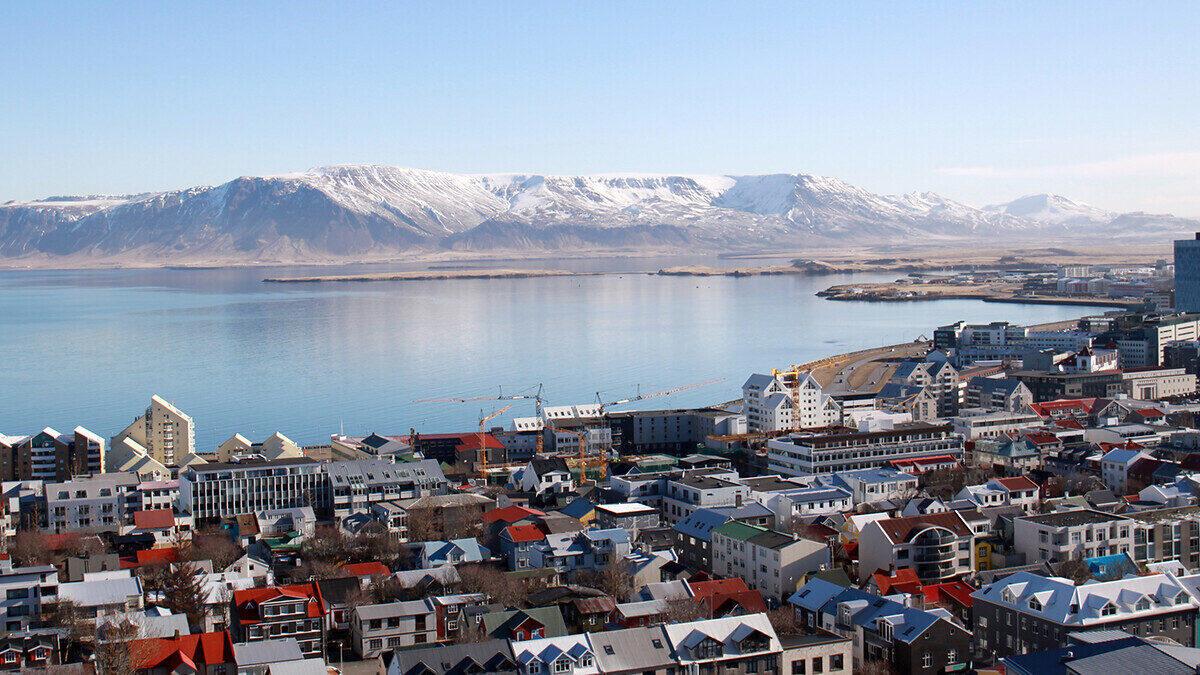
Iceland’s rejection of renewed European Union accession talks has prompted a proposal for a different path to membership. Magnús Árni Skjöld Magnússon argues that permanent exemptions from selected EU rules could address concerns over national control while giving new members a vote in shared decisions.
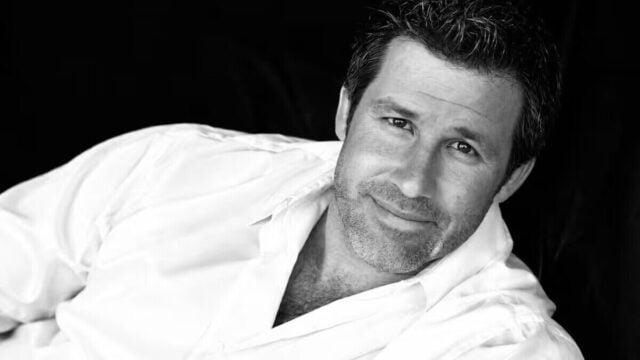
Magnús Árni Skjöld Magnússon, chairman of the European Movement in Iceland, proposed permanent EU membership exemptions on November 19 after Icelanders rejected renewed accession talks.
His proposal would give wealthy European democracies a route into the European Union while allowing them to retain control over selected national policies. Iceland’s vote exposed the difficulty of winning support for the existing terms.
On August 29, 2026, Icelanders voted 52.8% to 47.2% against resuming negotiations to join the bloc. Fisheries were central to opposition, Magnússon said.
Iceland’s fisheries concern
Iceland remains part of the European Economic Area, an arrangement that gives it access to much of the EU’s single market. It follows many EU rules without a seat in the decisions that shape them.
Magnússon argued that the prospect of influence had not outweighed concerns about control over fisheries. Norway, which also participates in the European Economic Area, faces similar resistance over its fishing waters, he said.
Before Iceland’s vote, EU Fisheries Commissioner Costas Kadis saw “space for flexibility.” EU Enlargement Commissioner Marta Kos spoke of “creative solutions.”
Neither promised permanent exemptions, Magnússon said. Opponents of accession repeatedly raised that distinction.
A separate route to membership
Magnússon wants accession treaties to protect a short list of national policy areas permanently. New members would receive voting rights, while common rules and reciprocal obligations would apply elsewhere.
He pointed to existing exceptions within the bloc. Denmark has opt-outs on the euro and parts of justice policy, while Ireland stays outside Schengen.
Norway rejected EU membership in 1972 and 1994. In March 2026, its parliament voted 78 to 21 against investigating membership.
Switzerland rejected the European Economic Area in 1992 and abandoned an institutional framework agreement with Brussels in 2021. It has since signed a new treaty package that requires parliamentary approval and possibly a vote.
Britain left the EU in 2020. Its budget watchdog puts the cost at around 4% of long-run output, Magnússon said.
He argued that countries seeking membership, including Ukraine and Moldova, have different incentives from wealthier democracies. He cited EU funding and a rule-of-law anchor among the potential benefits for candidates.
On October 6, 2026, the European Commission proposed a 15-year period after accession during which new members that seriously breach the rule of law could lose funding. In the gravest cases, they could also lose their votes.
Magnússon said no one could know whether a second offer would have won support in Iceland. He called for the EU to put one forward.
 Take the quizWhat Kind of Holiday Spender Are You? Take the Black Friday QuizStart →
- 1Gold Silver Price November: Futures Rise Near Yearly Lows
- 2Michael Clarke Says Sandpapergate Scars Drew Steve Smith to New York

- 3U.S. Emergency Alert Test Nov. 17 Is Not a Power Outage

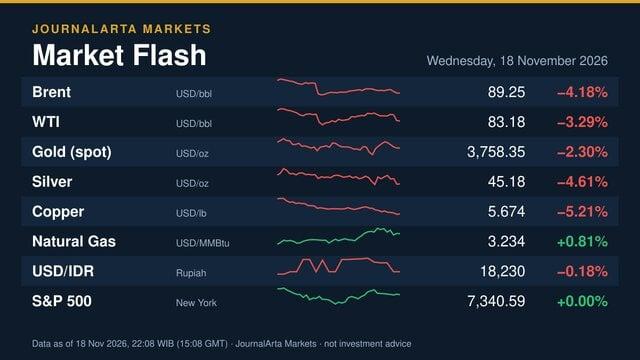
- 4Brent Crude Slides 4.05% as Rising US Stockpiles Weigh on Oil
- 52027 NFL Mock Draft Puts Ohio State’s Jeremiah Smith at No. 1

 Lifestyle · Food & HealthWhat Is Raynaud’s Syndrome? Why Fingers Turn White in the Cold
 Lifestyle · Food & Health4 Ways Walking After Meals Helps Your Body, Doctors Say
 Lifestyle · Food & Health4 Reasons to Eat Oatmeal, According to Nutrition Experts
 Lifestyle7 Signs Your Social Battery Is Running Low (and Why You Keep Cancelling Plans)