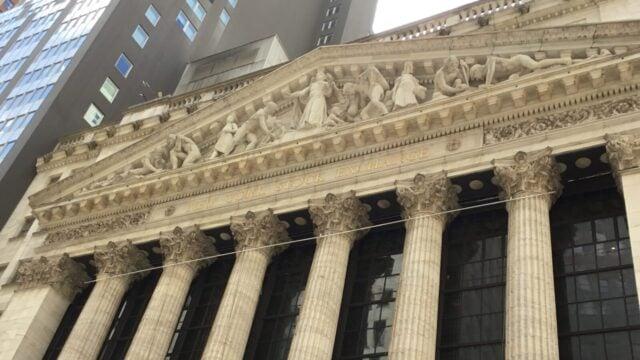
Asia Braces for Volatility After Wall Street Selloff
Asian markets face another volatile session after the S&P 500 entered a correction and the Nasdaq 100 had its worst week since March 2020. China, Taiwan and South Korea moved over the weekend to steady stocks, while MSCI's Asia gauge sits near a bear market.

Asia braces for volatility on Monday, November 23, after a Wall Street selloff pushed the S&P 500 into a technical correction. The Nasdaq 100 posted its worst week since March 2020. MSCI's regional gauge has fallen about 18% from its June peak, close to bear-market territory.
Equity-index futures pointed to pressure on Asian stocks. The Australian dollar edged lower in early trading, and the yen was little changed. Japanese markets are closed for a holiday.
The VIX Index, Wall Street's fear gauge, jumped to its highest since April 2025. The worry is that a US technology selloff is widening into a broader move away from risk.
Asian authorities step in
China will ease minimum margin requirements for investors buying securities with borrowed money. Taiwan widened curbs on short selling and said it has been buying shares after its benchmark had its worst weekly drop in 35 years.
South Korea will ease daily limits on company share buybacks for three months. It also began preparing to activate a stock-market stabilization fund if needed. Local media said the fund was last used during the 2008 global financial crisis.
"This has been more than an ordinary pullback," said Greg Boland, a strategist at Moomoo Securities. He said the speed and breadth of selling suggest elements of capitulation, and that the question is whether this is a selling climax or the start of a deeper reset.
Havens and currencies feel the strain
The turmoil has spread to metals and emerging-market assets, while investors moved into Treasuries. The Australian dollar erased its gain for the year. The New Zealand dollar fell to its weakest since the global financial crisis.
Australian bond yields fell about five basis points across the curve early Monday. The 10-year yield declined four basis points to 4.91%.
Friday's rout, driven by an unwinding of bets on artificial intelligence-led growth, led traders to pare expectations for a December rate hike. Analysts at Barclays have argued that fears over the AI trade are exaggerated. Its global chair of research wrote that "a correction has already taken place. A collapse is not on the cards."
Inflation data and Fed warning
Treasury Secretary Scott Bessent said Sunday the Federal Reserve risks damaging the economy by overtightening. He told CBS's Face The Nation that "many people believe that they may be making a policy mistake if they overtighten."
US personal consumption expenditures price data is due Wednesday, in a Thanksgiving-shortened week. Economists surveyed expect a 3.8% rise in October from a year earlier.
 Take the quizWhat Kind of Holiday Spender Are You? Take the Black Friday QuizStart →





 Markets · FintechHow to Calculate Compound Interest: Formula, Examples and the Rule of 72
 Lifestyle · Food & HealthNormal Blood Pressure Chart by Age: Healthy Ranges Explained
 Lifestyle · Food & HealthWhat Is Raynaud’s Syndrome? Why Fingers Turn White in the Cold
 Lifestyle · Food & Health4 Ways Walking After Meals Helps Your Body, Doctors Say