B50 Launched: Indonesia Ends Diesel Imports, Bahlil Says
B50 is now official: Bahlil says Indonesia will stop importing diesel, with projected savings of up to Rp170 trillion and a full transition by Sept. 30, 2026.
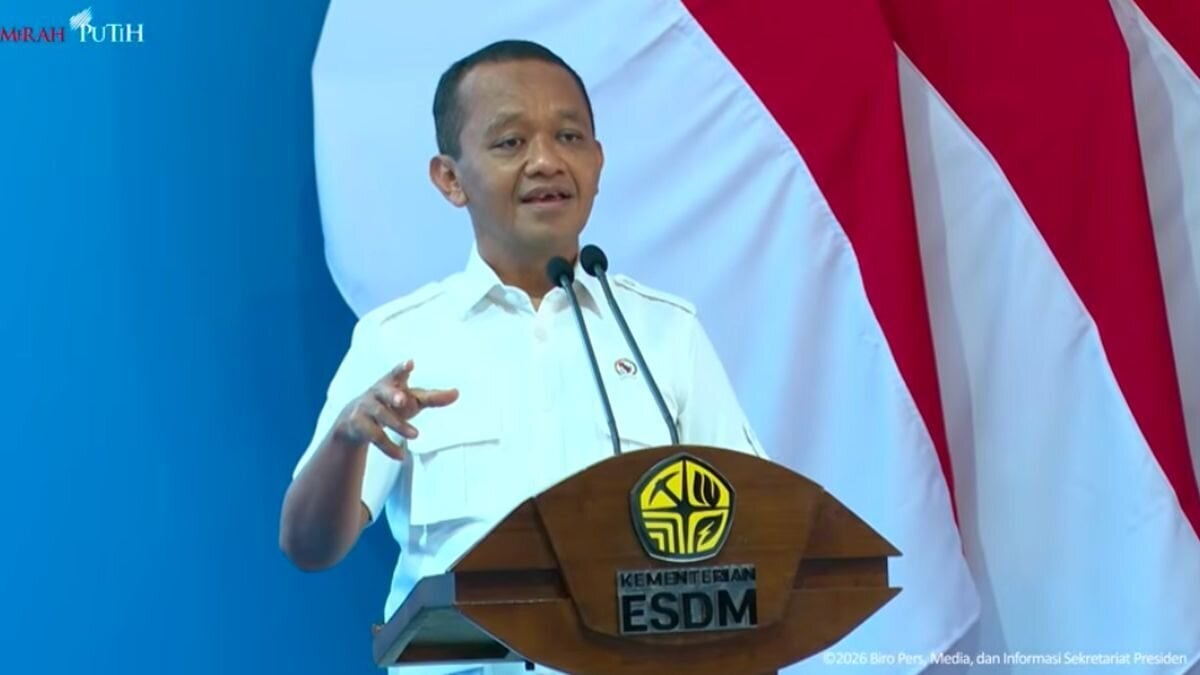
KARAWANG — Indonesia has officially entered a new era of energy self-reliance with the launch of the mandatory biodiesel program using a 50 percent palm oil blend, or B50. Energy and Mineral Resources Minister Bahlil Lahadalia said the move marks a turning point for the country, which will stop importing diesel entirely this year.
The inauguration took place at Rest Area KM 57, Karawang Regency, West Java, on Thursday (9/7/2026). Bahlil explained that domestic diesel demand averages 38 million to 40 million kiloliters per year. Previously, Indonesia still had to import 3 million to 4 million kiloliters of diesel from overseas markets to meet that need.
"With the implementation of B50, thank God we will no longer import diesel products into our country. This is the first time we have been self-reliant," Bahlil said before President Prabowo Subianto during the inauguration. For him, the policy is not merely a technical matter of fuel blending, but a manifestation of sovereignty and national pride in the energy sector.
Technology Leap and Energy Sovereignty
The B50 achievement was not instant. Normally, raising the biodiesel blend level requires up to 10 years of development, including a long three-year testing phase. However, on President Prabowo's instructions, the acceleration was carried out so the program could become effective in 2026.
The government is preparing a three-month distribution transition. Consumers at gas stations will fully switch to B50 after the transition period ends on September 30, 2026. The time will be used to clear the remaining B40 biodiesel stock in the supply chain.
Technical readiness has been ensured through a series of comprehensive tests in six main sectors: automotive, agricultural machinery, mining heavy equipment, sea transportation, power generation, and the railway sector. The ESDM Ministry said B50 has been proven safe and meets engine performance and compatibility standards for diesel engines in various operating conditions.
Economic and Environmental Impact
The policy's implementation carries massive economic implications for Indonesia's trade balance. If the B40 program in 2025 saved foreign exchange by up to Rp133.3 trillion, the government projects that savings from the B50 mandate in 2026 will jump to Rp170 trillion.
In addition to foreign exchange savings, the domestic palm oil ecosystem will gain significant added value, with projected value rising from Rp20.92 trillion to around Rp23.49 trillion. The program is also projected to become a jobs engine, with the potential to create employment for around 2.1 million people.
On the sustainability side, the transition to green energy is making a real contribution to lowering greenhouse gas emissions. The government said B50 use could reduce emissions by up to 44.46 million tons of CO2 throughout 2026. The figure underscores Indonesia's commitment to reducing its carbon footprint through the use of domestically abundant vegetable-oil-based energy.
What It Means for Industry and Consumers
What does this policy mean for the public and industry? In concrete terms, the switch to B50 minimizes domestic diesel price dependence on global crude oil fluctuations. The heavy equipment and logistics industries, which are the backbone of the economy, now get a more stable fuel supply because it comes from domestic production.
For consumers, the transition is part of a broader effort to maintain energy price stability at home. With no import dependence, the risk of price spikes caused by a weakening rupiah or global supply chain disruptions can be reduced more effectively.
The government is also continuing to ensure that all biofuel business entities and fuel distributors apply strict specifications so that B50 quality remains in line with the technical standards set out in ESDM Ministerial Regulation No. 4 of 2025.