
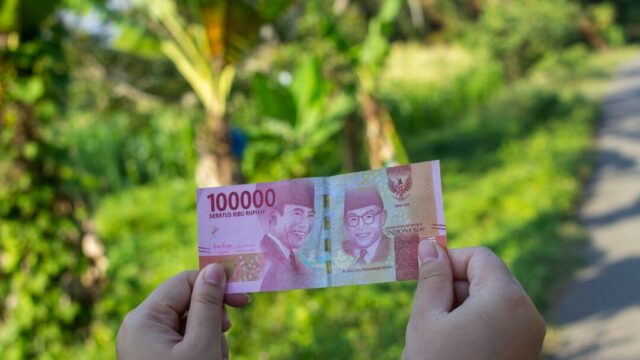
JAKARTA — The rupiah came under heavy pressure again against the US dollar. In trading this afternoon, the currency touched a new psychological level at Rp18,011 per US dollar. The decline marked a 0.17 percent correction from the previous close.
The movement of the garuda currency has shown a negative trend since the market opened this morning. Strong selling pressure on risk assets in emerging markets has been the main trigger for the weakening. Global sentiment has continued to dominate domestic financial market movements in recent days.
Main Triggers Behind the Rupiah’s Weakness
Market data show that exchange-rate fluctuations are heavily influenced by the monetary policy of the US central bank, the Federal Reserve. Investors are currently inclined to hold US dollars as a safer asset amid global economic uncertainty. This situation has temporarily reduced the appeal of emerging-market currencies, including Indonesia’s.
Bank Indonesia (BI) is still monitoring these dynamics. Measured intervention in the foreign exchange market remains the main option to maintain exchange-rate stability so it does not weaken further. Even so, the central bank’s room for maneuver remains limited by tight global liquidity conditions.
This situation underscores how vulnerable the domestic economy is to shifts in global risk appetite. When US bond yields rise, foreign capital tends to exit the government securities market (SBN) quickly. This capital outflow phenomenon then reduces the supply of US dollars at home, making the US currency more expensive against the rupiah.
Real Consequences for the Domestic Economy
The rupiah’s drop to Rp18,011 per US dollar clearly has direct consequences for industry players and the public. For importers, procurement costs become much more expensive. The increase in production costs could trigger imported inflation, which is ultimately passed on to end consumers through higher product prices in the market.
In addition, debt repayment burdens in foreign currency for both corporations and the government are also rising. Businesses with exposure to US dollar-denominated debt now have to set aside larger cash allocations. For the public, a weaker currency is often linked to higher prices for imported staples such as wheat or soybean raw materials.
The impact is chain-like. When raw material prices surge, manufacturing producers in Indonesia are forced to cut margins or raise selling prices. If goods prices rise, household purchasing power can erode, which in turn weighs on national economic growth at the macro level. Below is the rupiah’s exchange-rate track record over the past three days:
| Day | Exchange Rate (per USD) |
|---|---|
| Monday | Rp17,950 |
| Tuesday | Rp17,985 |
| Wednesday | Rp18,011 |
Financial Market Outlook
Market participants are now waiting for further policy direction from next month’s board of governors meeting. Market expectations for the global interest-rate path will determine whether the rupiah’s weakening trend can soon reverse or continue. Price stability in the domestic market depends heavily on the authorities’ ability to contain capital outflow volatility.
Technically, the Rp18,000 level is indeed a crucial psychological threshold. If the currency does not strengthen soon, pressure on the real sector is expected to become more visible in the next one to three months. BI’s consistency in maintaining market confidence through a mix of monetary policies will be a crucial key to holding back further weakness.
The 30-day outlook suggests rupiah volatility will remain high. The market will be highly responsive to the release of US inflation data and the next quarter’s domestic economic growth figures. If domestic data show strong resilience, there is a chance the pressure on the rupiah will ease somewhat, even though the global trend remains challenging. Market participants are now awaiting proactive steps from the government to maintain investor confidence so foreign exchange market liquidity stays intact amid the storm of external sentiment.
📝 Leave a Comment
Comment as . Reviewed by an admin before it appears.