Smart Glasses Restrictions for Drivers Move Forward in Illinois
Illinois is advancing smart glasses restrictions for drivers, a move that could shape safety rules and pressure the wearable tech industry.
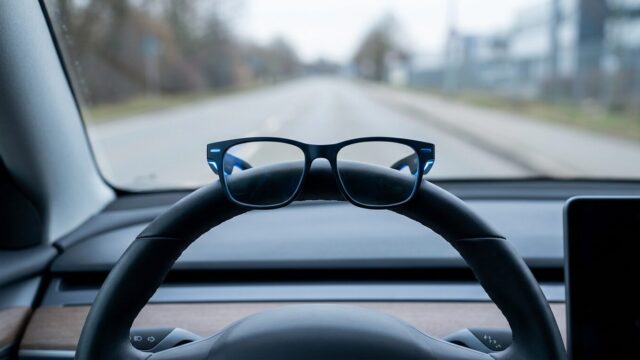
SPRINGFIELD — Smart Glasses Restrictions for Drivers Move Forward in Illinois, with lawmakers advancing an amendment that would ban the devices behind the wheel even if they are designed for hands-free use.
The measure matters well beyond one state. Smart glasses are gaining traction through products such as Google Glass, the upcoming Samsung Galaxy Glasses, and the newly launched Snap Spectacles, and that momentum is now meeting a sharper focus on road safety.
Why Illinois is drawing a line
Unlike smartphones, smart glasses do not have to stay in a driver’s hand. They can respond to voice commands or eye movement, which makes them look, at first glance, like a safer piece of tech for the car.
Illinois lawmakers are not buying that argument. Their concern is simple: the device puts information right in the wearer’s line of sight. Navigation prompts, notifications, and other content can pull attention away from traffic in a way that feels small but can turn dangerous fast.
That logic is why the proposal does not split the category into audio-only glasses and models with a built-in display. According to Gizmodo, the new law would treat both the same. No exception for hands-free operation. No carve-out for glasses that only play audio.
The debate mirrors earlier fights over phones at the wheel. States first targeted handheld use, then widened restrictions as more drivers relied on Bluetooth and voice controls. Smart glasses complicate that playbook because the technology is harder to see, harder to police, and potentially more distracting than a phone tucked into a cup holder.
Enforcement is part of the problem
A phone in a driver’s hand is obvious. Smart glasses are not. That makes enforcement tricky for traffic officers, especially when the device looks more like ordinary eyewear than a screen strapped to someone’s face.
That visibility issue appears to be one reason Illinois lawmakers moved toward a flat ban rather than a narrower rule. If officers cannot easily tell whether a driver is using smart glasses for maps, alerts, or messaging, exceptions can become messy fast.
Short version: they are difficult to spot.
And that matters. Traffic rules often succeed or fail based on whether police can apply them consistently on the road. A law that sounds precise on paper can become fuzzy in practice if the device blends in with everyday clothing and accessories.
What it means for drivers and makers
The Illinois measure has already cleared the legislative stage and is now waiting for the governor’s signature to become law. If signed, the rule would add a new limit for drivers who were expecting smart glasses to function as a navigation aid or a quick way to check information without touching a phone.
For consumers, the change is straightforward. In Illinois, wearing smart glasses while driving could become off-limits altogether, with fines and other penalties likely to follow if the rule is violated.
For the industry, the stakes run higher. A ban would hit one of the clearest use cases for smart glasses: real-time navigation and notifications on the move. That is a tough message for a category still trying to convince mainstream buyers that it has a place in daily life.
It also gives manufacturers a signal about where product design may need to go next. Companies could end up building driving-safe modes that disable displays, reduce alerts, or limit certain functions when a device senses motion or a car-like environment. Automotive systems already use similar guardrails to cut distraction.
There is a bigger commercial risk too. If Illinois becomes a model for other states, hardware makers may have to rethink marketing, software defaults, and even the language they use to sell wearables to commuters and drivers. A product that looks useful in a store can become a liability once lawmakers start asking how it behaves on the road.
That is the pressure point now. Smart glasses are no longer just a novelty with a niche audience. They are entering the same regulatory lane that smartphones once did, and Illinois may be the first state to force the industry to prove that wearables can stay useful without putting drivers at risk.
The governor’s signature is the next step.