Indonesia Ramps Up B50 Testing for 2026 Energy Security
Indonesia is moving ahead with B50, blending 50% biodiesel into diesel fuel to cut fuel imports and strengthen energy security in 2026.
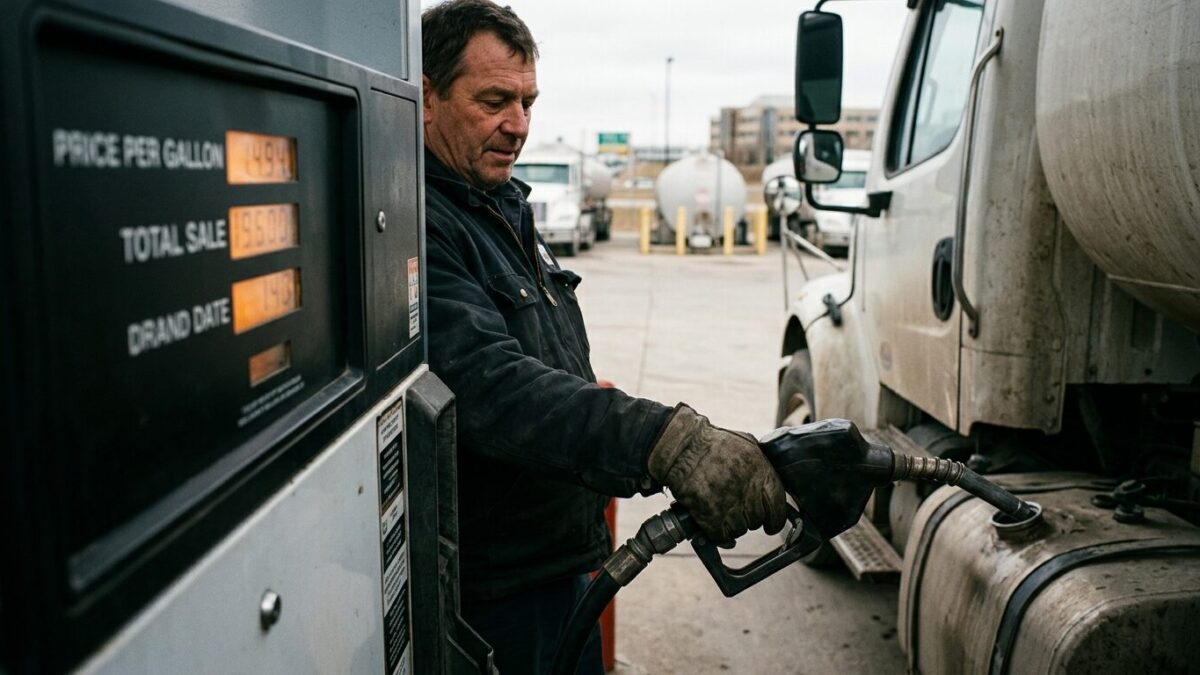
JAKARTA — Indonesia's biodiesel drive has entered a new phase as Indonesia ramps up testing for the B50 program. The government now requires a 50% biodiesel blend in diesel fuel, a policy officials say could become a pillar of national energy security in 2026.
Readiness in the biofuel industry is the key to the transition. The agriculture minister said production lines have been prepared so the program can move forward without disrupting domestic supply, especially vital commodities such as palm oil-based cooking oil.
The effort is about more than hitting a target. It is a long-term strategy to add value to the country’s natural resources amid volatile global energy prices.
Why energy independence matters
Why does the policy matter so much now? For years, Indonesia’s trade balance has often been squeezed by the high cost of diesel imports. The success of the earlier B30 program, which saved tens of trillions of rupiah in foreign exchange, has become evidence that biodiesel can help answer the country’s economic challenge.
A successful B50 rollout would have a direct impact on domestic economic stability. By producing more fuel from processed palm oil, Indonesia could sharply reduce its dependence on the global crude oil market.
The automotive industry, logistics firms, and public transport operators, including train locomotives in several regions, have begun adjusting their engines to make the most of the cleaner fuel blend.
Impact on industry
The government aims to end diesel imports entirely by 2026. The biodiesel market index, now around IDR 12,890 per liter ($0.79 USD), points to stronger price competitiveness in the energy market. The palm oil industry also stands to gain, as its output now has a large and stable domestic market.
For consumers, the transition brings engine-performance adjustments for diesel vehicles. Technical challenges remain, but newer engine technology has made adaptation smoother than in earlier biodiesel transitions.
Logistics companies are now looking beyond cost efficiency and paying more attention to longer-term energy efficiency.
Looking ahead, the success of B50 will serve as a measure of Indonesia’s role in leading the green energy transition in Southeast Asia. The government’s next priority is ensuring even distribution to remote areas so the benefits of energy independence are felt across the wider economy.