Earthquake safety what to do first when shaking starts
Earthquake safety what to do first can decide whether a person stays clear of falling objects or gets hurt in the first seconds. Officials say the safest move…
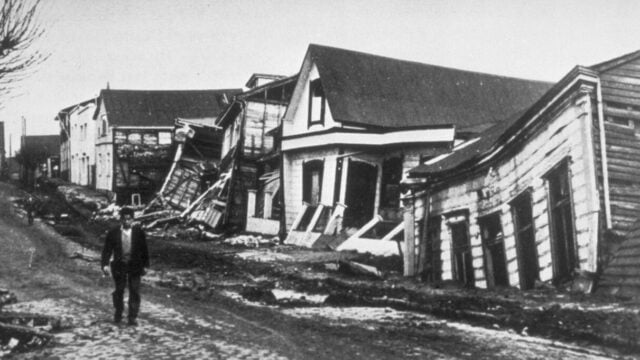
Earthquake safety what to do first is the question that matters most when the ground starts moving. The answer from emergency agencies is blunt: drop, cover, and hold on immediately, then stay put until the shaking stops.
That first reaction can prevent head injuries, broken bones, and panic. The first seconds are the danger zone.
What to do in the first seconds
The U.S. Geological Survey and the Federal Emergency Management Agency both advise the same sequence during shaking. Drop to your hands and knees, cover your head and neck under sturdy furniture if one is nearby, and hold on to it until the motion ends.
If no table or desk is within reach, protect your head and neck with your arms and move only if you are in immediate danger, such as near glass, shelves, or heavy objects that can fall. Do not run outside while the ground is shaking. That is when many injuries happen.
People inside a building should stay away from windows, mirrors, hanging lights, and tall furniture. If you are in bed, stay there and cover your head with a pillow unless something heavy may fall above you. If you are in a wheelchair or using a walker, lock the wheels if possible and cover your head and neck.
Why this first move matters
Emergency responders say most earthquake injuries do not come from the shaking itself but from what the shaking dislodges. Cabinets swing open. Bricks fall. Glass shatters. A person who freezes or bolts for a doorway often ends up in the path of those hazards.
“The safest action is to get low and protect your head,” the Red Cross says in its preparedness guidance. The group adds that people should avoid doorways unless they are already in a clearly unstable structure. In modern homes and offices, a doorway is usually not the strongest place to stand.
The advice also matters because earthquakes rarely come alone. Aftershocks can follow within minutes or hours. A rushed response in the first quake can leave someone exposed when another jolt hits.
What to do after the shaking stops
Once the shaking ends, check yourself and the people nearby for injuries. Move carefully. Floors may be cracked, and broken glass can be everywhere. If you smell gas, hear hissing, or see a broken pipe, leave the area and report it to authorities if it is safe to do so.
Experts also tell people to expect aftershocks and to keep shoes, a flashlight, and a charged phone nearby. Power lines, elevators, and stairwells can be dangerous right after a quake, especially in crowded buildings.
If you are outside when shaking starts, move to an open area away from buildings, trees, streetlights, and utility wires. If you are driving, pull over to a clear spot and stop. Stay in the vehicle until the shaking ends. Simple. Fast. No drama.
Homes, offices, and schools need a plan
The first action during a quake is only part of the picture. Agencies say families, schools, and employers should practice the response before an emergency happens. Heavy furniture should be anchored. Water heaters should be strapped. Emergency kits should be easy to reach.
That preparation matters most in places where earthquakes strike without warning. A room that looks ordinary in the morning can turn dangerous in seconds if shelves tip or glass falls.
For households, the practical next step is to decide where to take cover in each room and keep that plan simple enough to remember under stress. For workplaces, the same rule applies: clear exits, secure equipment, and train people to move only after the shaking stops.
USGS guidance says the immediate goal is not to sprint for the door. It is to survive the first impact, protect your head, and wait for the movement to end before checking for damage.
That first decision can be the difference between a bruise and a hospital visit.