How to fall asleep faster tonight: 7 sleep expert tips
If your brain keeps racing at lights-out, small changes can help. Sleep experts say timing, light, caffeine, and temperature all affect how to fall asleep…
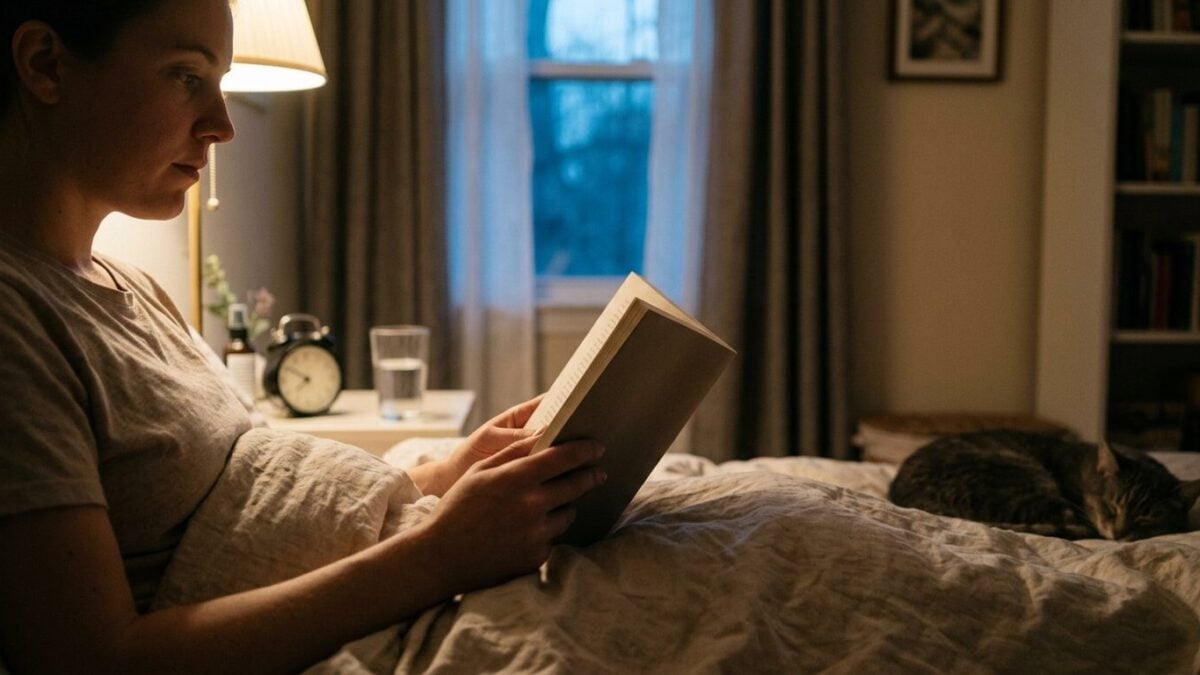
Sleep specialists say the fastest way to change a bad night is not a dramatic fix, but a tighter routine. If you are trying to figure out how to fall asleep faster tonight, the biggest levers are simple: lower stimulation, dim the light, and stop fighting the clock.
That matters because poor sleep does not stay in the bedroom. It can affect focus, mood, reaction time, and the way the body handles stress the next day. One rough night happens. A pattern does not.
How to fall asleep faster tonight starts before bed
The hour before sleep usually decides the night. Screens keep the brain alert, bright rooms delay melatonin release, and late caffeine can keep the body wired long after the cup is empty. Sleep researchers often point to the same basics: reduce light, reduce noise, and reduce mental load.
A short wind-down helps. Some people read a paper book. Some stretch lightly. Some sit in a dark room and breathe slowly for a few minutes. The point is not perfection. It is signaling to the brain that the day is over.
Temperature plays a bigger role than many expect. A cool room, often around 60 to 67 degrees Fahrenheit, can help the body drop into sleep mode. Too warm, and people tend to toss and turn. Too cold, and the body stays on alert. Small changes. Big difference.
Food and drink also matter. Heavy meals close to bedtime can leave the body busy digesting when it should be settling down. Alcohol may make someone sleepy at first, but it often fragments sleep later in the night. Water helps, but a full glass right before bed can trigger bathroom trips at 2 a.m.
What actually works when your mind will not stop
Racing thoughts are a common reason people search for how to fall asleep faster tonight. In that case, sleep experts often recommend getting the thoughts out of the head and onto paper. A quick list of tasks for tomorrow can stop the brain from rehearsing them in the dark.
Breathing patterns can help too. Slow, steady breathing lowers arousal and gives the body something simple to follow. Some people count breaths. Others use a longer exhale than inhale. It sounds basic. It is basic. That is why it works.
If you have been lying awake for too long, getting out of bed for a few minutes can help break the frustration loop. Stay in dim light. Do something quiet. Return when sleepy. The bed should feel like a place for sleep, not a place to wrestle with insomnia.
People who keep waking up at the same hour often have a schedule problem rather than a sleep problem. Irregular bedtimes, late naps, and weekend sleep-ins can confuse the body clock. A steady wake-up time usually helps more than trying to force sleep at a fixed bedtime.
The larger point is practical: sleep responds to routines, not willpower. The body likes cues. Darkness, quiet, cool air, and repetition all send the same message. Stop now. Rest now.
For anyone trying how to fall asleep faster tonight after a long day, the most useful move may be the simplest one: put the phone down, dim the room, and give the body 20 calm minutes before expecting sleep to arrive.