Normal Blood Pressure Range by Age: What Doctors Track
Doctors often use the normal blood pressure range by age to judge whether readings are truly healthy or already drifting into risk. Age, medications, and…
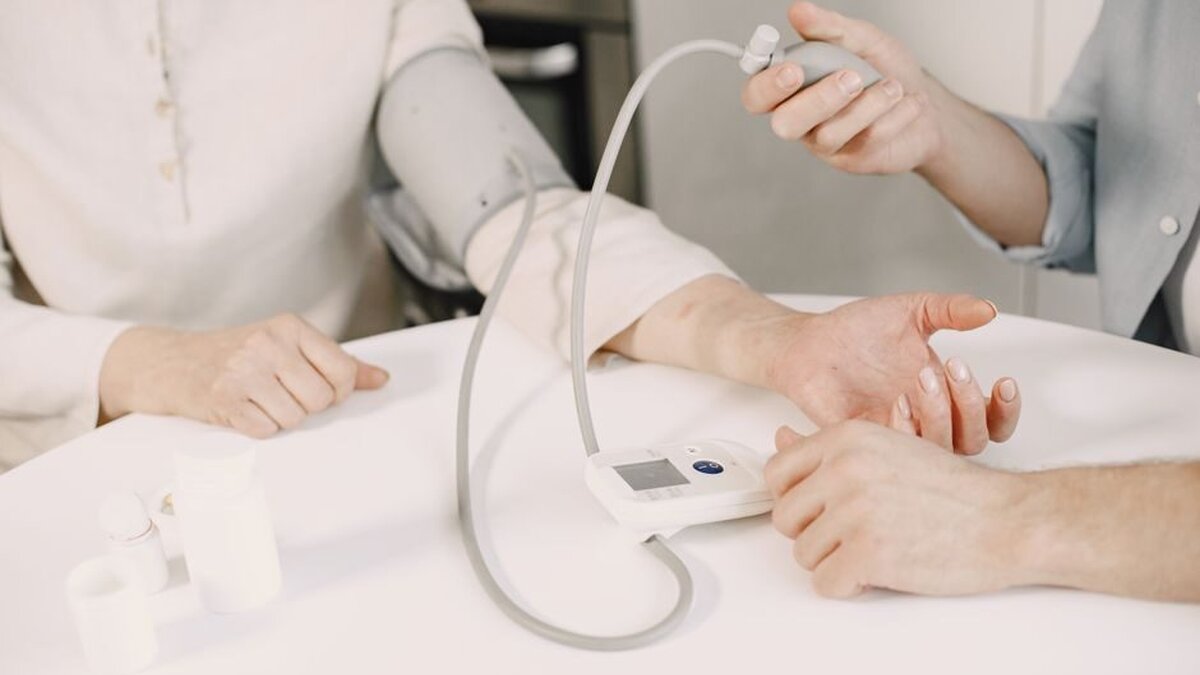
Doctors do not read blood pressure the same way for every patient. The normal blood pressure range by age can shift with life stage, health history, and medication use, which is why a reading that looks fine for one adult may raise concern in another.
That matters because blood pressure is one of the clearest warning signs for heart disease and stroke. A number on the cuff can look harmless in the moment, yet still point to rising risk if it stays high over time.
Why age changes the reading
Blood pressure tends to rise as people get older, partly because arteries lose some flexibility. The American Heart Association says normal blood pressure is generally below 120/80 mm Hg for adults, but clinicians still interpret that number in context rather than in isolation.
For younger adults, a reading below 120 systolic and below 80 diastolic is usually considered normal. Systolic pressure is the top number, measured when the heart beats. Diastolic is the bottom number, measured between beats.
That picture changes with age. An older adult may have a slightly higher systolic reading without feeling any symptoms, while a lower reading can sometimes signal dizziness, dehydration, or overmedication. Short version: the cuff tells only part of the story.
According to the Centers for Disease Control and Prevention, nearly half of adults in the United States have high blood pressure, a condition that often shows no warning signs. Many do not know they have it until a routine checkup or a medical emergency forces the issue.
What doctors look for at different ages
Clinicians usually focus on trends, not just one number. A teenager with repeated elevated readings gets treated differently from a 68-year-old with the same result, because the causes and the risks are not the same.
In practical terms, doctors pay attention to whether blood pressure stays consistently below 120/80, sits in the elevated range, or crosses into hypertension. They also ask about sleep, stress, salt intake, exercise, family history, and medicines that can push pressure up or down.
Readings also vary by setting. A person may post a normal number at home and a higher one in a clinic. White-coat effect is real. So is the opposite: some people look fine in an office but run high outside it.
The best approach is repeated measurement. Many clinicians prefer home logs taken at the same time each day, with the person seated, rested, and using the right cuff size. Small mistakes change the result fast.
Why the range matters for treatment
The normal blood pressure range by age affects how quickly doctors step in. A younger patient with repeated high readings may get lifestyle advice first, then medication if pressure stays elevated. An older patient may need a different target if treatment causes falls or fatigue.
That is where the real-world impact shows up. People who assume one universal number can miss early warning signs, while others may panic over a single reading that does not reflect their usual pattern. For families, that means blood pressure checks at home can be more useful than a one-off clinic visit.
The National Heart, Lung, and Blood Institute says untreated hypertension can damage the heart, brain, kidneys, and eyes over time. The damage is often silent. By the time symptoms appear, the problem may already be advanced.
For most adults, that leaves a simple but serious task: check regularly, record the numbers, and bring the pattern to a clinician rather than chasing one isolated result. The American Heart Association says blood pressure should be measured with the person seated, back supported, feet flat, and after at least five minutes of rest.
One normal reading does not settle it. A pattern does. And that is why the number on the cuff keeps mattering long before anyone feels sick.