How much water should you drink daily? A simple guide
How much water should you drink daily depends on body size, heat, activity and diet. Experts say there is no single perfect number, but common guidance can…
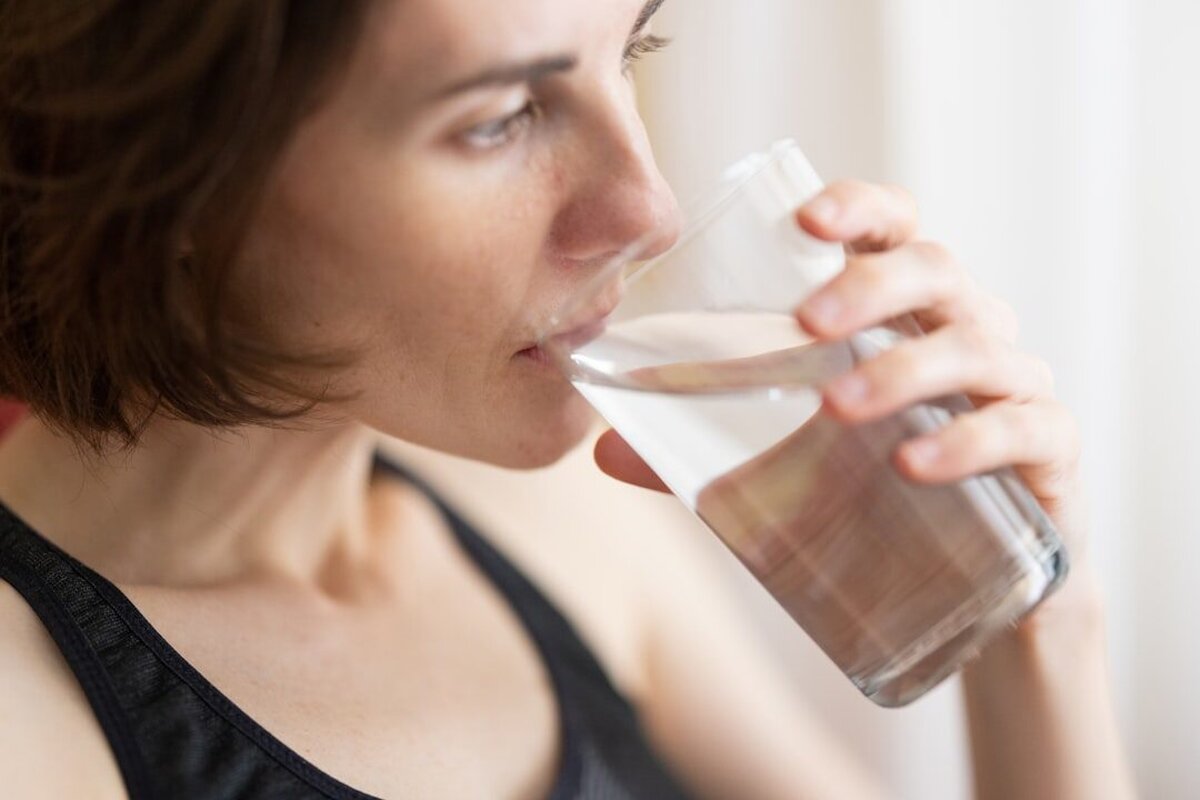
How much water should you drink daily is a question with a frustratingly simple answer: it depends. The basic target changes with body size, climate, exercise, pregnancy, illness and even what you ate that day.
For most healthy adults, common public-health advice lands near 2 to 3.7 liters of total fluid a day, including water from drinks and food. That does not mean everyone should chase the same bottle count. It means the body has a range, not a fixed quota.
What the numbers really mean
The often-cited guideline from the U.S. National Academies of Sciences, Engineering, and Medicine puts adequate daily total water intake at about 3.7 liters for men and 2.7 liters for women. Those figures include water from beverages and food, which can account for roughly 20% of intake in many diets.
That detail matters. Soup, fruit, vegetables, coffee and tea all contribute fluids. A person who eats water-rich foods and drinks several cups of tea may already be closer to the target than they think.
So the popular “eight glasses a day” rule? Handy, yes. Exact, no.
Doctors and dietitians usually treat it as a rough starting point, not a scientific ceiling or floor. A runner in humid weather needs more. So does someone working outdoors or recovering from vomiting or fever.
Why thirst is useful, but not perfect
Thirst works well for many healthy adults, but it is not a flawless alarm. Older adults often feel thirst less sharply. Some children ignore it while playing. And in very hot conditions, the body can lose fluid faster than thirst catches up.
That is why urine color remains one of the simplest checks. Pale yellow usually suggests adequate hydration. Darker urine can signal a need to drink more, while clear urine all day may mean someone is overdoing it.
Not every body gives the same clues. Medications such as diuretics, certain kidney conditions, diabetes and heavy caffeine or alcohol use can change fluid needs and the way the body signals them.
Who needs more water than average
People who sweat a lot need more. So do pregnant and breastfeeding women, athletes, outdoor workers and anyone living in hot, dry air. The same goes for travelers crossing time zones or spending long hours on planes, where dry cabin air can quietly pull fluid from the body.
Nutrition also shapes the equation. A salty meal can make someone feel parched. A high-protein diet can increase the body’s need for water to process waste products. Even mild dehydration can bring on headache, fatigue, constipation and poor concentration.
The reverse problem matters too. Drinking far beyond need, especially in a short time, can dilute sodium in the blood and lead to hyponatremia. It is uncommon, but it can be dangerous. Marathon organizers and emergency doctors know the risk well.
What this means in daily life
For most people, the practical answer is less about hitting one magic number and more about spreading fluid through the day. Start with a glass in the morning. Drink with meals. Add more in heat or after exercise. If the day is quiet and cool, needs may be lower than expected.
That has direct consequences for work, school and travel. Mild dehydration can dull focus and make a long afternoon feel even longer. In offices, on construction sites and in classrooms, a missed water break can show up as a headache before it shows up as thirst.
The simplest rule is also the least glamorous: watch your body, not just the bottle. If thirst, urine color and activity level all point the same way, the body is usually telling the truth. For many adults, that lands somewhere around the familiar 2 to 3.7-liter range — and on very hot days, it can be higher.