Retiring Supreme Court judge says even a constable’s whistle speaks for the Constitution
Even a police constable at a traffic junction carries constitutional authority in his whistle and baton, Supreme Court Justice Sanjay Karol said on Friday as
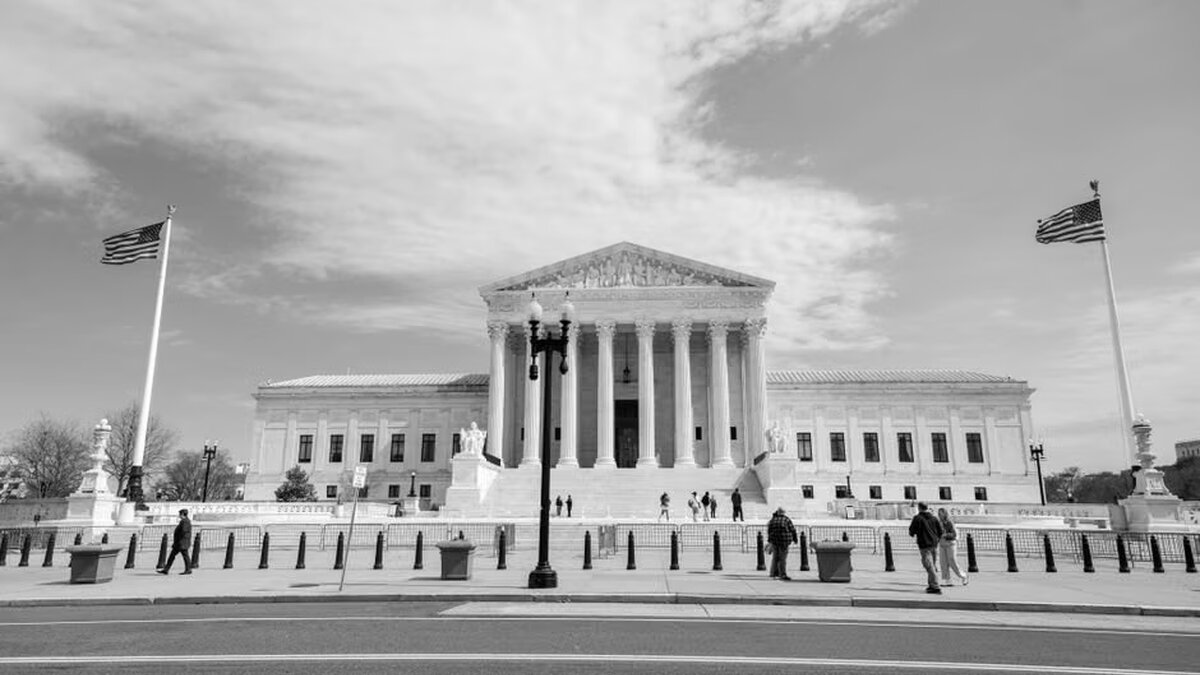
Even a police constable at a traffic junction carries constitutional authority in his whistle and baton, Supreme Court Justice Sanjay Karol said on Friday as he retired from the apex court. The remark, delivered at a farewell organised by the Supreme Court Bar Association, framed a broader message about how India’s democratic system depends on every rung of the state machinery.
‘Every person is a stakeholder’
Justice Karol said everyone in government, from the President of India to a class IV employee, has a stake in Indian democracy. He used the example of a constable standing at an intersection to underline that even routine enforcement work reflects the Constitution.
“The constable standing at the intersection, his lathi and whistle carry the voice of the Constitution,” he said.
The comments came as Karol bowed out of the Supreme Court after a judicial career that began in the lower courts and rose through the legal system. Born on August 23, 1961, he studied at St. Edwards School in Shimla and later earned a bachelor’s honours degree and a law degree from Himachal Pradesh University. He also practised across fora in Delhi, according to the material released on his retirement.
Why the bar matters
Karol spent part of his farewell speech stressing the role of lawyers in the court system. Judges, he said, come and go. The Bar stays.
“Judges come, and judges go. Judges come, and judges go. It is the bar only who is there,” he said. “The stronger the bar, the stronger the bench.”
The line drew a direct link between the quality of advocacy and the strength of judging. In courtrooms across democracies, that relationship often shapes how constitutional rights are argued, tested and protected. Karol’s words placed the Indian Bar at the centre of that balance.
Farewells at the Supreme Court often turn into a quiet review of a judge’s place in the institution. Karol used his to widen the lens. The Constitution, in his telling, is not confined to senior offices or big judgments. It also travels with the officer at the crossing. And the lawyers who meet that authority in court, he suggested, will help decide how firmly it stands next.