Maharashtra gives auto and taxi drivers a year to learn Marathi
Has given auto-rickshaw and taxi drivers one year to learn functional Marathi, after a statewide enforcement drive led to notices for drivers who...
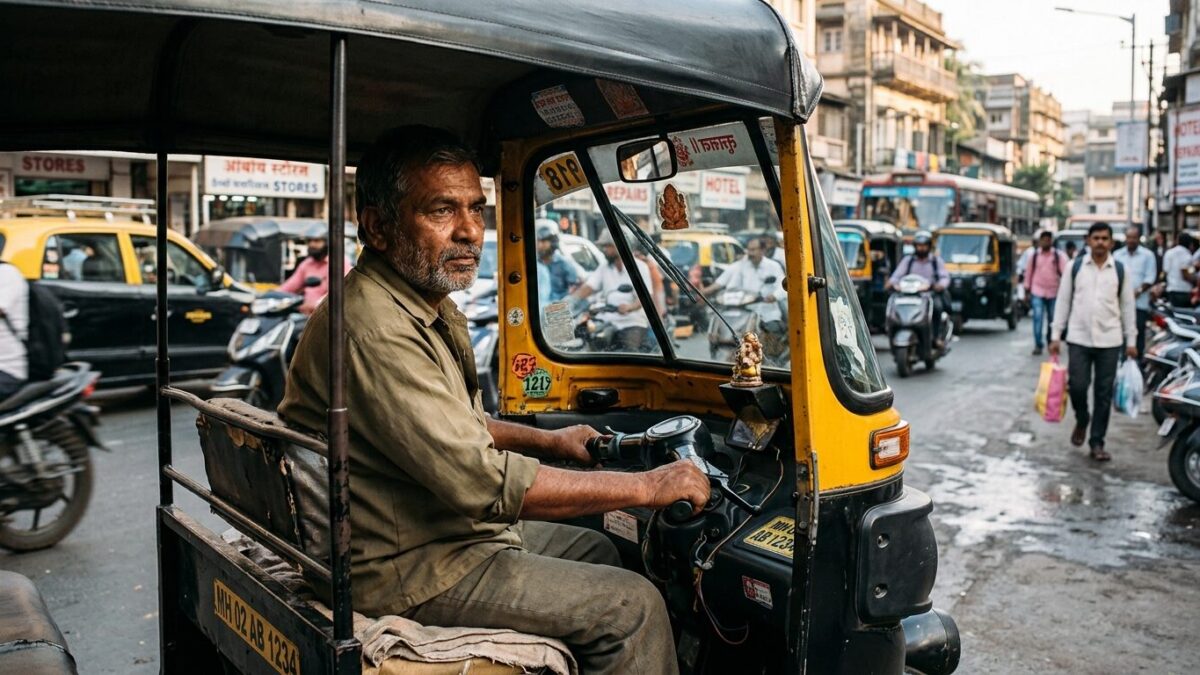
Maharashtra has given auto-rickshaw and taxi drivers one year to learn functional Marathi, after a statewide enforcement drive led to notices for drivers who could not clear a language test. Chief Minister Devendra Fadnavis announced the extension on Thursday, and said no action will be taken against drivers during the grace period.
One-year reprieve after checks
The move comes days after the state Transport Department carried out checking across Maharashtra and issued notices to drivers who failed the test. The requirement is tied to the state’s official language, and it had already begun to bite at the roadside.
Fadnavis said the government would not punish drivers for now. Instead, it is giving them time to reach a basic working level in Marathi. A short deadline, he said, would have been too difficult for many.
Drivers’ groups pushed for more time
According to Fadnavis, representatives of auto-rickshaw and taxi drivers’ organisations, led by Haji Arfat Shaikh, met him and backed the idea of learning basic Marathi. But they also argued that many drivers come from different age groups and left formal schooling years ago, which makes rapid language learning harder.
They asked for a year. The state agreed.
During that period, Marathi classes will be organised and study material will be provided to help drivers learn functional Marathi, Fadnavis said. The aim is not fluency. It is enough language for day-to-day communication with passengers and officials.
What the policy signals
The decision reflects a familiar tension in India’s big cities: local language rules versus the reality of migrant labour in transport and other frontline jobs. Mumbai, like other global megacities, depends heavily on drivers who often speak several languages, but not always the state language.
That makes language policy more than a classroom issue. For drivers, it can affect access to permits, compliance checks and daily interactions with commuters. For the government, it is also a question of public service and local identity.
For now, Maharashtra has chosen a softer route. Drivers who were facing notices will get classes instead of immediate penalties, and the clock is now set for one year. After that, the test remains in place.