Cape Town’s DA majority no longer looks automatic as Hill-Lewis concedes a tighter race
?s long-running Democratic Alliance grip on city hall is facing a sterner test this year, with Mayor Geordin Hill-Lewis acknowledging the party’s ma...
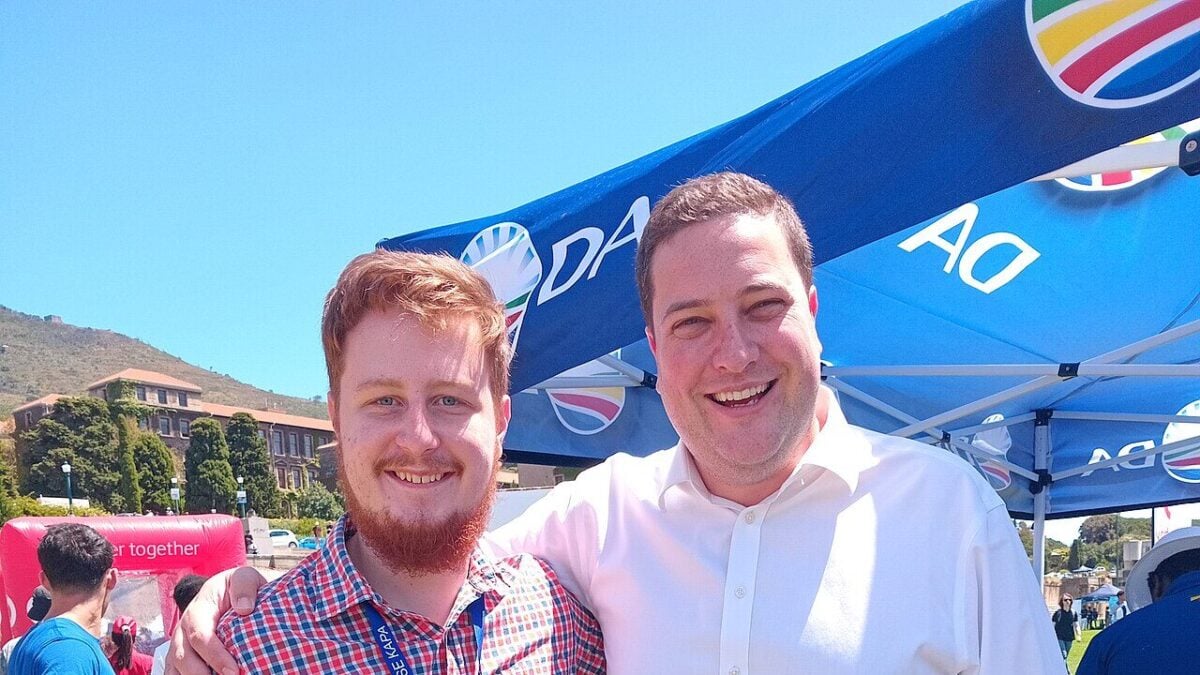
Cape Town’s long-running Democratic Alliance grip on city hall is facing a sterner test this year, with Mayor Geordin Hill-Lewis acknowledging the party’s majority is no longer a sure thing. The warning lands ahead of South Africa’s local government elections on 4 November, when the country’s second-most watched metro could become the latest big city pushed into coalition politics.
A race the DA cannot take for granted
The DA still enters the campaign as the party to beat in Cape Town. It won 58.3% of the vote in the 2021 local government elections, a solid outright majority in a country where coalition rule now dominates most metros. But that cushion has shrunk in political terms. Opposition parties have spent months talking up the possibility of an upset, and Hill-Lewis’s own admission suggests the governing party is treating the contest with more caution than confidence.
That matters well beyond the Western Cape. Cape Town is one of South Africa’s few major cities still governed without a coalition, alongside ANC-run Mangaung and Buffalo City. If the DA slips below 50%, it would join the growing list of metros where no single party can rule alone. Short race. Big stakes.
Coalitions are already the new normal
Across South Africa’s eight metros, only three are not run through coalitions. The pattern has changed the way local power is stitched together, and the national political mood has helped accelerate it. The Government of National Unity has signalled a broader shift toward compromise politics, giving opposition parties in Cape Town extra confidence that a fractured council is no longer out of the question.
That’s why the campaign is drawing unusual attention. Cape Town has long been marketed as South Africa’s best-run city, with clean audits and functioning services often cited by supporters of the DA. Yet critics point to deep inequality, unaffordable housing, spatial injustice, gang violence and drug abuse. Those pressures have sharpened the contest.
Hill-Lewis under pressure
Hill-Lewis, the incumbent mayor and DA leader in the city, is seeking another term and will lean on the party’s record in office. But opponents are not standing still. ActionSA has named MP Dereleen James as its candidate, while the Good party has backed Brett Herron, who is also the Rise Mzansi candidate under their partnership. The Patriotic Alliance has put forward Councillor Cheslyn Daniels.
The DA has remained publicly upbeat, even as rivals argue the political ground is shifting. In June, the party said it was still aiming for another outright win in Cape Town. But the race has clearly tightened enough for Hill-Lewis to concede the obvious: the majority that once looked secure now carries real risk.
The final verdict will come on 4 November. For the DA, anything below 50% would change the city’s politics overnight.