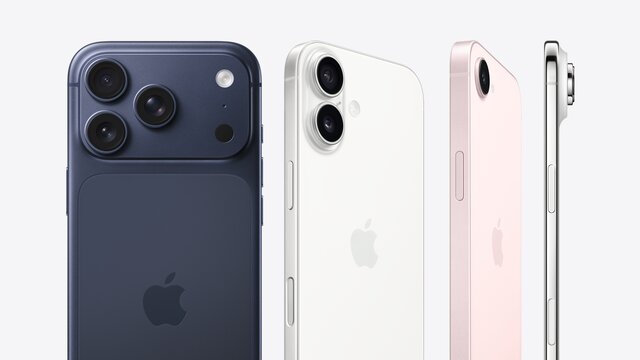
Apple’s iPhone 17 Gains Appeal Amid March 2027 iPhone 18 Delay
Apple's iPhone 18 launch has been pushed to March 2027, leaving the iPhone 17 as the strongest entry-level flagship through early next year. Retailers are…

Apple won't launch the iPhone 18 until March 2027, leaving a seven-month gap where the iPhone 17 will be the company's newest standard model. That timeline upends the usual August buying calculus: instead of sitting tight for next month's announcement, users eyeing an upgrade face a long wait if they want the latest hardware.
The delay matters because the iPhone 17 has become genuinely competitive. Last year's model closed the gap between Apple's entry-level phone and its Pro variants with a 120Hz display that finally matches the Pro lineup, a brighter screen suited to outdoor use, and durability improvements. Center Stage and Dual Capture—features once reserved for pricier models—are now standard across the entire range.
That value proposition is sharpening. Samsung and Google have raised entry-level prices due to surging RAM costs driven by AI and data centers, making the iPhone 17 the most affordable entry-level flagship across brands.
Retailers are moving fast to clear iPhone 17 stock before September 9, when Apple will announce the iPhone 18. In the UK, EE, Currys, and John Lewis have cut the iPhone 17 Pro by £100 and the Pro Max by the same amount. JB Hi-Fi in Australia is offering the steepest discount: AUD$300 off the iPhone 17 Pro Max, bringing it to AUD$1,899 from AUD$2,199—a 13.6% cut. MediaMarkt Spain discounted the base iPhone 17 to €919 from €959. Amazon's earlier sales remain live, and the company is one of the few retailers still discounting the base iPhone 17 and iPhone Air (permanently £200 off its £999 launch price).
U.S. buyers face a different picture. Apple offers no direct discounts on new, unlocked iPhone 17 models, though the company recently raised trade-in values.
That trade-in move may be strategic. Research from SellCell tracking used iPhone prices across three launches shows a stark pattern: when Apple announces a new model, older iPhones lose value fast. Ahead of the iPhone 17's release, 92.6% of 54 iPhones tracked lost trade-in value between announcement day and release day—roughly a 10-day window. The average loss was $36.46, with some models dropping more than $100.
The iPhone 15 Plus 128GB suffered the largest percentage fall, sinking from $440 to $351—a 20.2% loss in under two weeks. That pattern will likely repeat when Apple unveils the iPhone 18 on September 9, even though the phone won't ship until March.
"Consumers considering an upgrade should compare trade-in prices as soon as Apple announces its new iPhone rather than automatically waiting for release day," said Sarah McConomy, COO at SellCell. The window to lock in the best price for your current phone is narrow. Buyback services like SellCell and musicMagpie let you secure a quote now and sell at that price while keeping your phone until the iPhone 18 arrives.
For those who can't wait until March, the iPhone 17 is worth buying today. The 120Hz display, improved brightness, and durability upgrades deliver daily value that still outpaces rival Android flagships at lower price points. Current discounts sweetener that case further, especially at retailers like JB Hi-Fi offering aggressive cuts.
The trade-off is clear: buy now at a discount and own an older model through spring, or wait for March and risk paying more for a phone that could drop in trade-in value the moment Apple's next event begins.