South African training body under fire over alleged double pay for audit chair
A South African public-sector governance row is widening after a senior Transnet executive who chairs Inseta’s audit and risk committee was paid nearly R300,...
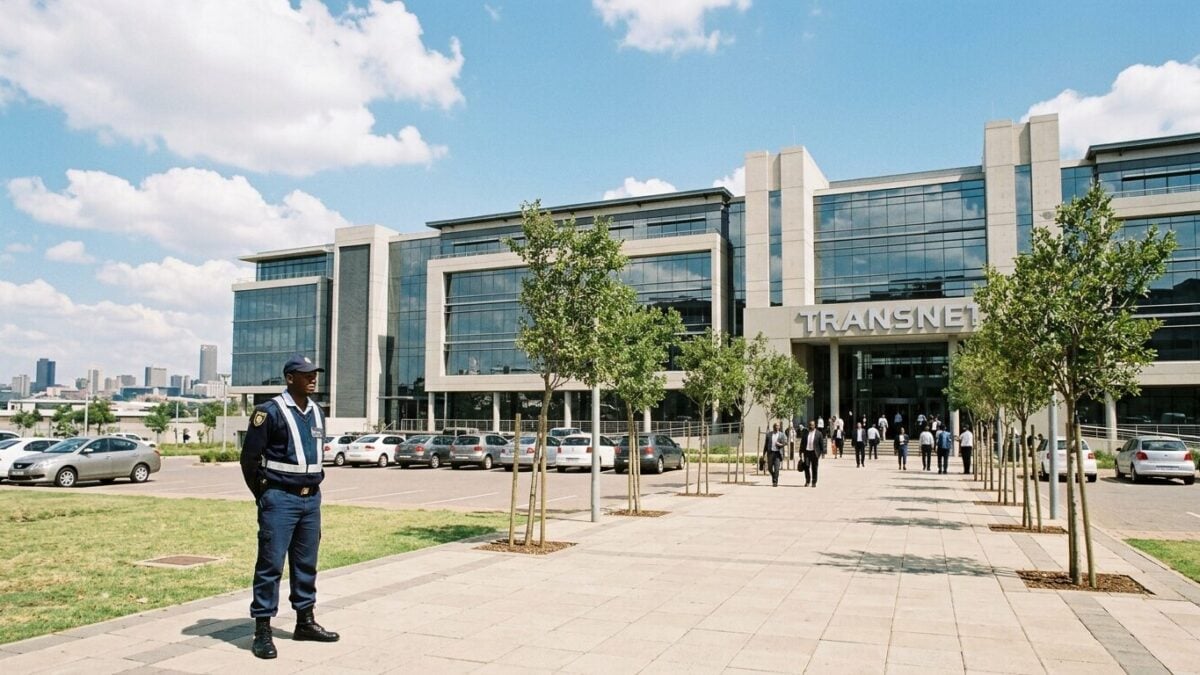
A South African public-sector governance row is widening after a senior Transnet executive who chairs Inseta’s audit and risk committee was paid nearly R300,000 last year, raising questions about “double-dipping” in state institutions. Gloria Mnguni says nothing improper happened, but the issue has already triggered a probe and sharpened scrutiny of how state bodies appoint and pay board members.
Payment dispute lands on top of wider governance failures
Mnguni, a senior specialist for long-term financial planning at Transnet, also served as chair of Inseta’s audit and risk committee between April 2025 and March 2026. The payment, reported at a little under R300,000, is being challenged as contrary to National Treasury guidance and the Public Finance Management Act, which bar public servants and employees of state-owned entities from being paid twice by the state for the same period of work.
The rule is meant to stop state workers from drawing two public salaries when outside duties are carried out during working hours. Mnguni, a chartered accountant since 2009, has argued that the restriction applies only to civil servants appointed to boards of state entities, not to internal policy arrangements at Inseta. She has denied that anything is amiss with the payment.
Inseta, the insurance sector education and training authority, has not been dealing with this row in isolation. The case lands just as the auditor-general has delivered a sharply critical report on appointments across 15 sector education and training authorities, finding that governance rules were ignored in multiple board selections.
Auditor-general flags irregular appointments
Auditor-general Tsakani Maluleke said some board members were appointed without the mandatory vetting process, while others had qualifications that were not verified and criminal record checks that were still outstanding. In other cases, public calls for nominations were not made, records explaining why certain candidates were dropped were missing, and conflict-of-interest forms were completed after the fact.
Maluleke said the appointment process was not compliant with the required rules. The findings cut across several Setas and add to pressure on the higher education and training department, which last year moved to stabilise the institutions by appointing new boards after a period of turmoil under former minister Nobuhle Nkabane.
That backdrop matters. Setas handle public money, oversee skills development and sit close to politically sensitive decisions on appointments and oversight. When governance checks slip, the risk spreads quickly: questionable board processes, weak vetting and disputed remuneration can feed into each other.
Why the controversy matters beyond Inseta
The Inseta dispute is now part of a broader test of state accountability in South Africa, where auditors and regulators have repeatedly found weaknesses in public institutions meant to train workers and manage sector levies. A payment challenge that might once have stayed inside one entity now sits in a wider pattern of alleged rule-bending.
For Mnguni, the immediate issue is whether a public servant can be paid by one state entity while holding a senior oversight role in another. For Inseta, the question is whether internal policies were ever aligned with national law. And for the department, the problem is bigger still: the auditor-general has already said appointment processes across the sector were not clean.
The probe is under way. The payment at the centre of it: just under R300,000 in 12 months.