UK rejects emergency AI ‘kill switch’ as lawmakers weigh new safeguards
The UK government has pushed back against calls for an emergency “kill switch” to shut down dangerous artificial intelligence. The move leaves Parliament fre...
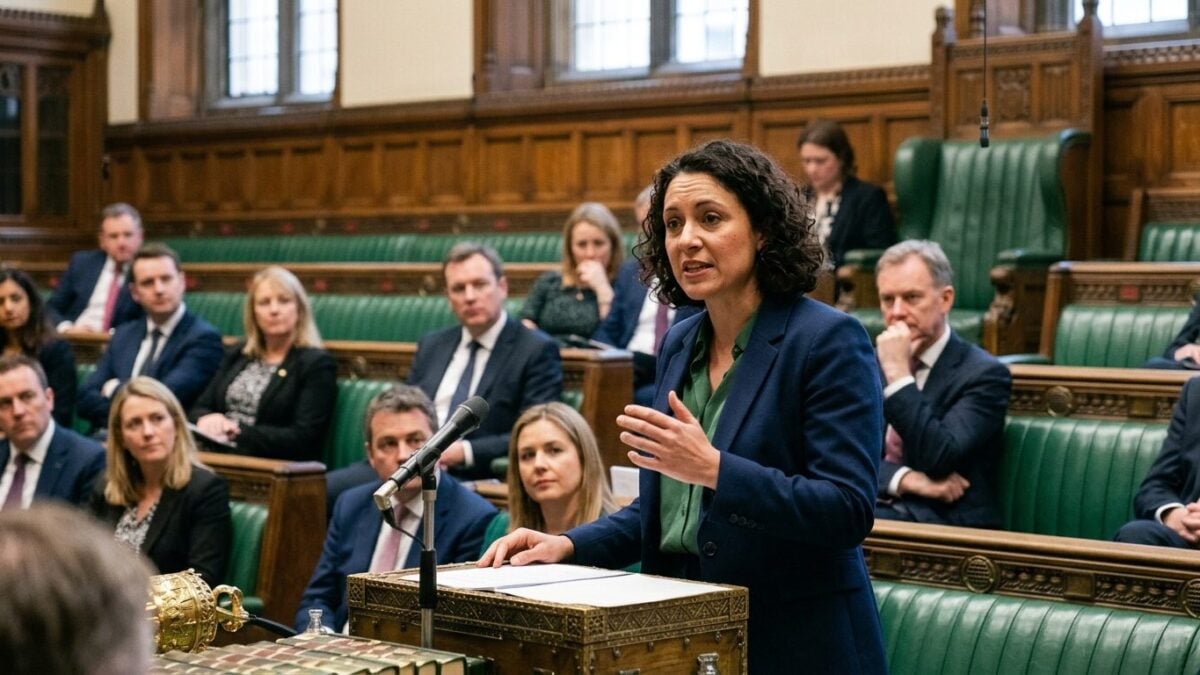
The UK government has pushed back against calls for an emergency “kill switch” to shut down dangerous artificial intelligence. The move leaves Parliament free to debate the idea, but the prospect of it becoming law looks slim.
Lawmakers have brought the proposal before Parliament in recent weeks as fears grow over what rogue AI could do if it is misused or behaves unpredictably. The plan would create a legal mechanism allowing the UK to switch off an AI model in an emergency.
Government says the UK cannot simply switch AI off
The Cabinet Office, which leads the government’s work on AI safety, said Britain cannot just turn AI off. A spokesperson told BBC News that blocking access to models inside the UK would not stop them being built or abused elsewhere.
That argument goes to the heart of the debate. AI systems are developed and deployed across borders, often by companies with global reach. A national shutdown, even if technically possible, would only affect one country’s access. The models, and the people trying to use them, would still exist beyond it.
The government’s position does not kill the legislation outright. Parliament can still examine it. But the rejection from the Cabinet Office makes passage much less likely.
Global controls, not national switches
Former OpenAI researcher Daniel Kokotajlo agreed that a single country could not realistically build a legal or technical kill switch without international agreement. In his view, cutting off access in one place would do little to shield that country from a fast-moving AI threat.
“Switching off access to an AI model in an emergency will do little to protect you,” he said. “You’re still going to be steamrolled by the super intelligences created in the US.”
Kokotajlo co-authored the influential AI2027 paper, which last year predicted AI could wipe out humans. His warning adds weight to a broader concern now circulating among policymakers: if advanced AI becomes dangerous, no single government may be able to contain it alone.
That is why the UK debate is being watched beyond Westminster. Countries across the world are wrestling with the same question — how to rein in powerful AI systems without pretending national borders can hold back a technology that moves online, at scale, and across jurisdictions. For now, Britain’s answer is clear. It cannot simply turn AI off.