Why 9/11 Still Shapes the Modern World, and Why We Keep Understating It
September 11, 2001 began as a bright, clear morning on the U.S. East Coast. By the time the dust settled, millions of people had watched
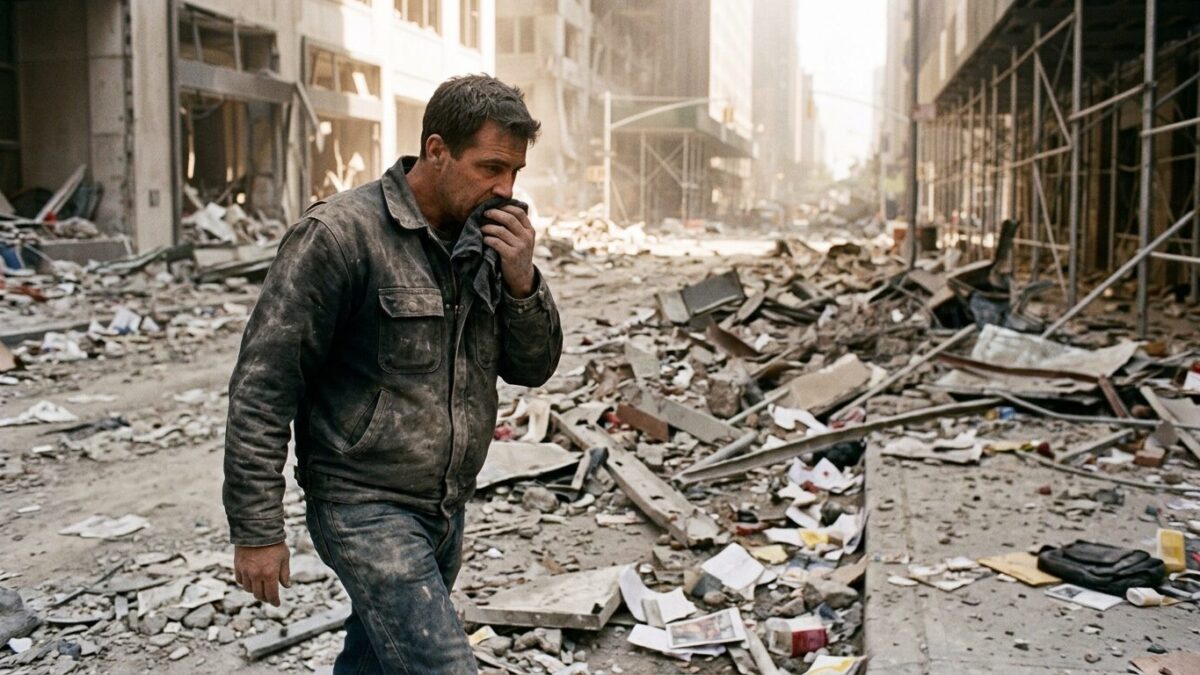
September 11, 2001 began as a bright, clear morning on the U.S. East Coast. By the time the dust settled, millions of people had watched a live catastrophe unfold on television, and the shock still lingers more than two decades later.
The scale was hard to absorb then, and it remains hard to fit into tidy historical summaries now. A plane hit the World Trade Center. Then another. The Pentagon was struck. False alarms rippled through Washington, including reports of fires at the State Department and on the National Mall, and the Capitol was evacuated in haste. For hours, people did not know how far the attacks would go.
A day that broke normal thinking
What made 9/11 so disorienting was not only the violence. It was the sequence. One impact could still be mistaken for an accident. Two removed that possibility. Then came the Pentagon strike and the spread of fear across the U.S. capital. People were watching live, and many believed more buildings might explode. The uncertainty was part of the trauma.
That confusion matters when judging the event’s place in history. It was not a distant tragedy reviewed later from a safe distance. Many adults experienced it in real time, with no clear sense of what came next. The towers fell on live television. Others saw the same images replayed again and again in the hours and days that followed.
Why the impact still gets underestimated
The argument for treating 9/11 as a hinge point is simple: flukey events and eccentric decisions helped change the world for the worse, and the consequences were not temporary. The attacks did not just kill thousands of people in New York and Washington. They altered the global atmosphere around security, fear and politics.
That is why the event resists being filed away as a single national trauma. It became a reference point far beyond the United States. The morning’s images traveled instantly, and so did the assumptions that followed them: that more attacks could come, that danger could appear anywhere, that public life would be reshaped by the fear of another strike.
The memory keeps returning
Even now, the day is often remembered through its first clear visuals: the perfect weather, the smoke, the towers collapsing in front of a stunned audience. But the deeper mark was the way it scrambled certainty. People could not trust what they were seeing, and they could not trust that the worst was over.
That is why 9/11 still deserves to be treated as more than a date. It remains one of those rare days when history accelerated in public view. And for anyone trying to measure its place in modern life, the most stubborn fact is still the same: thousands of people died on live television, and the world watched.