Apple Raises iPhone 18 Pro Prices $100; Launches $1,999 Foldable
Apple unveiled the iPhone 18 Pro, iPhone 18 Pro Max, and its first foldable iPhone Duo at its fall event Wednesday. The Pro and Max models jump $100 in price…
CUPERTINO, Calif. — Apple raised prices on its flagship iPhone 18 Pro and Pro Max by $100 over last year's models, the company announced Wednesday at its fall event. The move reflects climbing memory and storage costs that have already driven price increases across Macs and iPads this summer.
Newly appointed CEO John Ternus, who took over from Tim Cook on September 1, hosted the keynote where Apple also unveiled its long-awaited first foldable phone: the iPhone Duo, priced at $1,999.
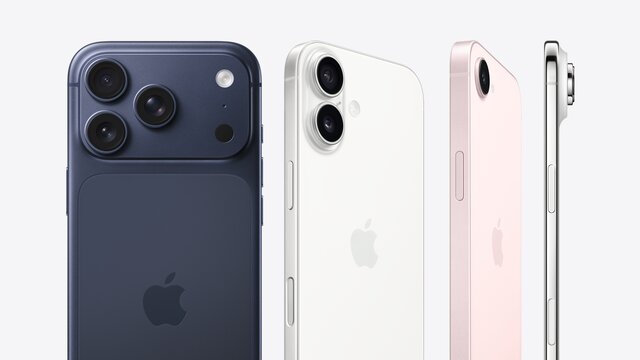
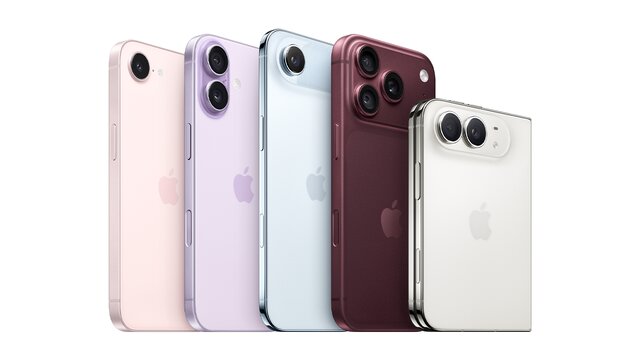
The iPhone 18 Pro and Pro Max arrive in two new colors—glacier and burgundy—building on last year's successful Cosmic Orange launch. Both phones pack faster A20 Pro processors with upgraded CPUs, GPUs, and neural engines designed for gaming and AI workloads. The 18 Pro Max delivers 30 hours of battery life, while the standard 18 Pro reaches 24 hours, both an improvement over previous generations.
A variable mechanical aperture on both Pro models enables better control of light and depth in photography, a feature that narrows the gap between smartphone and professional camera capabilities.
The Foldable iPhone Finally Arrives
The iPhone Duo was the headline act. Apple's foldable sports a passport-like design with a 5.4-inch front display and a 7.6-inch inner screen when opened. The company claims it is the thinnest iPhone ever in its unfolded state and one of only a few dust-proof folding phones on the market.
What sets the Duo apart from competitors' foldables is its nearly crease-less inner display, paired with an anti-reflective coating typically found on much later-generation foldables—the Galaxy Z Fold8 and Honor Magic V6 both use similar tech. The software transition animations when opening and closing the phone are polished enough that some buyers may purchase the device for that experience alone, according to early hands-on reviews.
The left-aligned dock is a unique usability adjustment that Apple says makes multitasking smoother than rival foldables. Apple Pencil support is coming, expanding the device's appeal to creative professionals, though it was not available at launch.
The Duo's design does favor right-handed users; early reports suggest the dock cannot yet be repositioned to the left, and the volume button sits on the device's top—a design choice that reviewers are still assessing.
Reducing Qualcomm Dependence
Apple unveiled the C2 modem, its second in-house cellular chip, which will power the iPhone Duo. The C2 is 50% faster than Apple's previous modem and further reduces the company's reliance on Qualcomm, the industry's dominant modem supplier.
"With our fully integrated approach, it's optimized to improve everyday user experiences, including using AI algorithms to improve cellular reliability, like reconnecting faster in low coverage areas," said Johny Srouji, Apple's chief hardware officer.
Apple's decision to develop its own modems mirrors its broader strategy of vertical integration—designing components in-house to gain tighter control over product performance and differentiation.
Market Expectations Run High
Ben Bajarin, CEO and principal analyst at Creative Strategies, expects demand for the iPhone Duo to be "very high." He told Yahoo Finance that Apple will "sell all they can make," citing the software experience as the key differentiator. "The hardware is good, there are good other foldable hardwares, but I think the software really is where they differentiated this with the animations," Bajarin said.
At roughly $2,000, the Duo is expensive but less costly than some earlier rumors had suggested. The pricing underscores Apple's confidence in the market for a premium foldable, even as the broader smartphone category matures and upgrade cycles lengthen.
Apple also revealed the Apple Watch Series 12 and Ultra 4, along with AirPods 5, rounding out a product lineup aimed at reinforcing its ecosystem's stickiness in an era when AI capability and software polish have become as important as raw hardware specs.