iPhone 18 Pro Brings Variable Aperture Camera, A20 Chip
Apple's latest flagship brings a variable aperture and digital authenticity features, but the design stays nearly identical to last year's model—making it a…

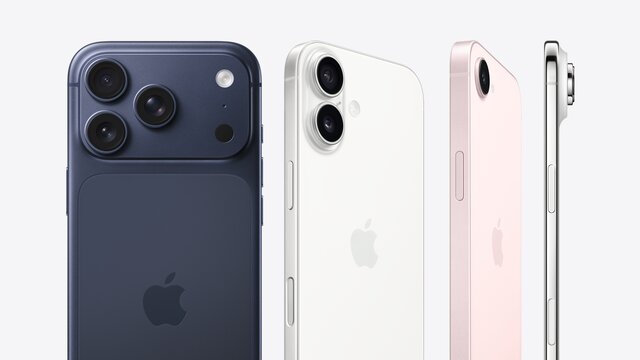
Apple's iPhone 18 Pro arrives this week as a study in incremental refinement. The phone can use the same cases as its predecessor, the iPhone 17 Pro, and the user experience is virtually identical—until you reach the camera app.
The biggest hardware change is a variable aperture in the main 48-megapixel camera that adjusts how much light reaches the sensor. Alongside that sits a new A20 Pro chip with revamped thermal management designed to sustain peak performance longer. For most users, though, the real novelty is invisible: a digital authenticity feature called Reference Image mode.
Priced at $1,199 for the base 256GB model, the iPhone 18 Pro and Pro Max arrive as the second-most interesting phones Apple launched this year. The foldable iPhone Duo stole the show at the announcement event and ships next month. In the meantime, the 18 Pro is here—and it is extremely familiar.
Camera: Variable Aperture and Authenticity Seals
The variable aperture is the camera system's headline feature. The triple rear setup—wide, ultrawide, and 4x telephoto, all at 48 megapixels—lets photographers adjust aperture manually, giving more control over depth of field and light intake. The 18-megapixel selfie camera rounds out the package.
In real-world shooting around San Francisco, the iPhone 18 Pro's camera produced warmer, more vibrant colors compared to Samsung's Galaxy S26 Ultra ($1,300). One image at the Palace of Fine Arts showed the iPhone delivering richer tones while the Galaxy captured softer hues and brighter shadows. Both approaches have merit; the choice depends on preference.
Reference Image mode is where Apple is betting on future relevance. The camera creates a tamper-proof copy of what it captures, along with metadata about when the photo was taken. Apple's Private Cloud Compute service verifies the record hasn't been altered, then stamps the final image with a digital signature you can check to confirm authenticity.
The system works by embedding a cryptographic key inside the camera sensor itself during manufacturing. That key signs the image data before it leaves the sensor, making it cryptographically impossible for someone else to forge the signature without access to the key. Apple certifies the matching public key so its cloud service can verify the sensor's signature later.
Reference Image mode is opt-in for the main camera and disabled by default. Photographers must toggle it on in Settings > Camera > Reference.
Thermal Management and Performance
Inside, the A20 Pro chip pairs with a redesigned thermal system that pulls heat away more efficiently than the A19 Pro in last year's model. The benefit is sustained full performance during intensive tasks—gaming, video editing, or heavy computational photography—without throttling.
For anyone upgrading from an iPhone 16 Pro or older, that performance bump is worthwhile. For iPhone 17 Pro owners, the gains are marginal unless you regularly push the phone to its limits or shoot with Reference Image mode enabled.
The 18 Pro and Pro Max open for preorder now and launch Friday. Unless you're deeply invested in smartphone photography or need the authenticity verification tools, the iPhone 17 Pro remains a capable device—and hunting for a sale price on last year's model may be the smarter move.