Delivery Drone Noise Drives North Garland Resident From Garden and Trails
Delivery drones are disrupting some residents with a high-pitched rotor sound, while a London startup says its enclosed-blade propulsion system can cut noise…
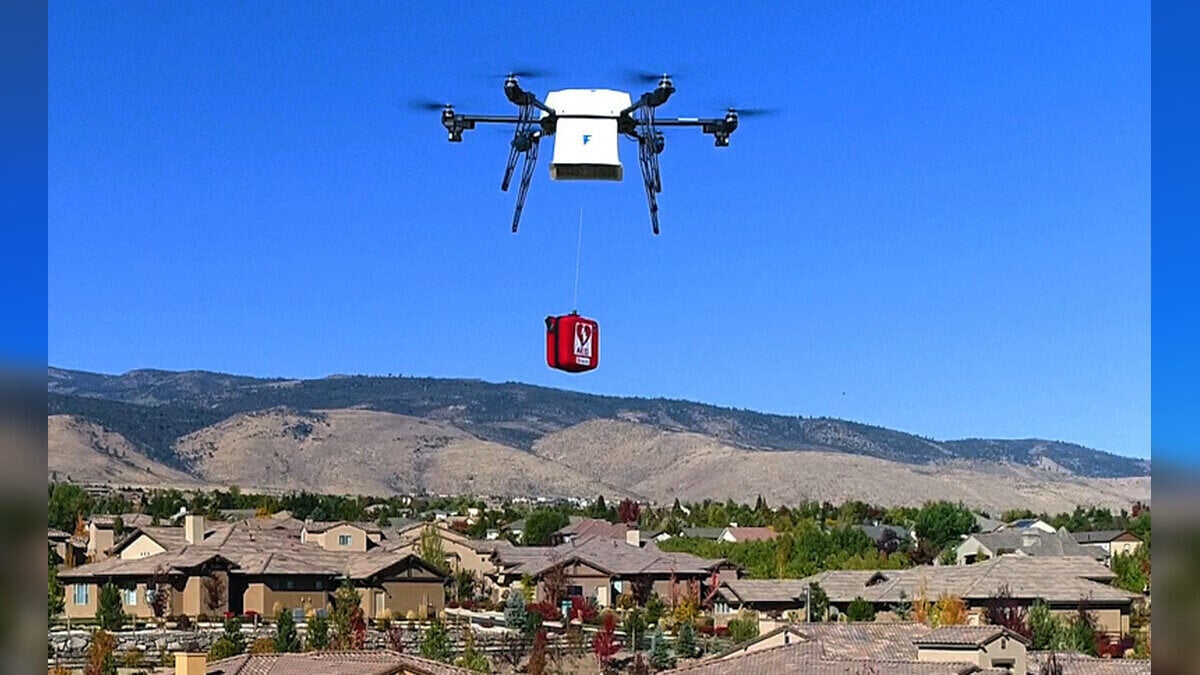
Delivery drones have driven North Garland resident Ashley Schmidt away from her garden and cycling routes, sharpening the search for stealthier aircraft as companies expand airborne deliveries. The 44-year-old administrative assistant says the sound follows drones as they approach, pass overhead and leave.
“They emit this very annoying buzz. It triggers my fight or flight response,” Schmidt told the BBC. The noise has changed how she uses nearby outdoor spaces.
Why the drone sound stands out
Schmidt previously cycled to local parks to photograph bugs, lizards and toads up close. Now, she avoids those outings because delivery drones carrying neighbours’ online orders fly overhead.
Companies including Amazon and Walmart are using drones to speed up home deliveries. Amazon Prime Air is expanding service to nearly 500 cities and towns, delivering items that fit into a space the size of a shoe box. The service has also launched for customers in and around Darlington, in northern England.
Smaller services are appearing in some US cities, where customers can order food from local pizza restaurants and ice cream parlours by drone. As these aircraft become more common, their sound is adding a distinct disturbance to neighbourhoods.
Antonio Torija Martinez, a professor in acoustic engineering and psychoacoustics at the University of Salford, said a drone’s sound can stand out “even when overall sound levels are relatively low.” Its rotors produce a sudden whine that may cut through the steady background sound of traffic.
Drones also fly at low altitudes and can pass directly over homes. Torija Martinez said this can expose communities with little previous experience of aircraft noise, making changes to the local soundscape more noticeable.
People’s reactions can depend on how they view the sound, he said. Research cited by Torija Martinez found stronger responses when people consider a noise “novel, intrusive or frequent.” Someone who benefits from a delivery may be less troubled by the same aircraft noise.
The impact reaches beyond annoyance. When residents avoid gardens, parks or cycling routes because drones pass overhead, delivery services affect how they use their own neighbourhoods. Torija Martinez expects complaints to spread as the sector grows: “as the drone sector expands, more and more of these complaints will happen.”
A different approach to drone noise
In the US, the Federal Aviation Administration regulates commercial drones. The agency has faced criticism over noisy delivery operations and says operators and local community leaders have primary responsibility for addressing community concerns.
Greenjets, a London-based startup, is developing a propulsion system designed to reduce both the volume and frequency of drone noise. Darren James, the company’s future technologies lead, said the work targets “noise level and the frequency of that noise.”
Conventional drones use exposed spinning propellers that cut through the air and create a high-pitched buzz. Greenjets puts spinning blades inside a pod, which the company says muffles sound and directs it away from the ground. Slower rotor speeds and materials intended to reduce vibration also quiet the system.
The company claims its technology can reduce drone noise by at least two thirds. Its system has been used by police and harbour security teams in Germany, and has supported conservationists in Africa tracking poachers from above without being detected.
Quieter aircraft could also matter in military operations, where drone operators have reason to avoid alerting an enemy to the approach of unmanned vehicles. For neighbourhoods already hearing the buzz, the company’s claimed reduction is at least two thirds.
Source: bbc.co.uk