Rare Nanotyrannus skeleton sells for $47.3 million
A rare Nanotyrannus skeleton nicknamed Jodi sold for $47.3 million at Sotheby’s in New York, far above its initial estimate of $6 million to $9 million. The…
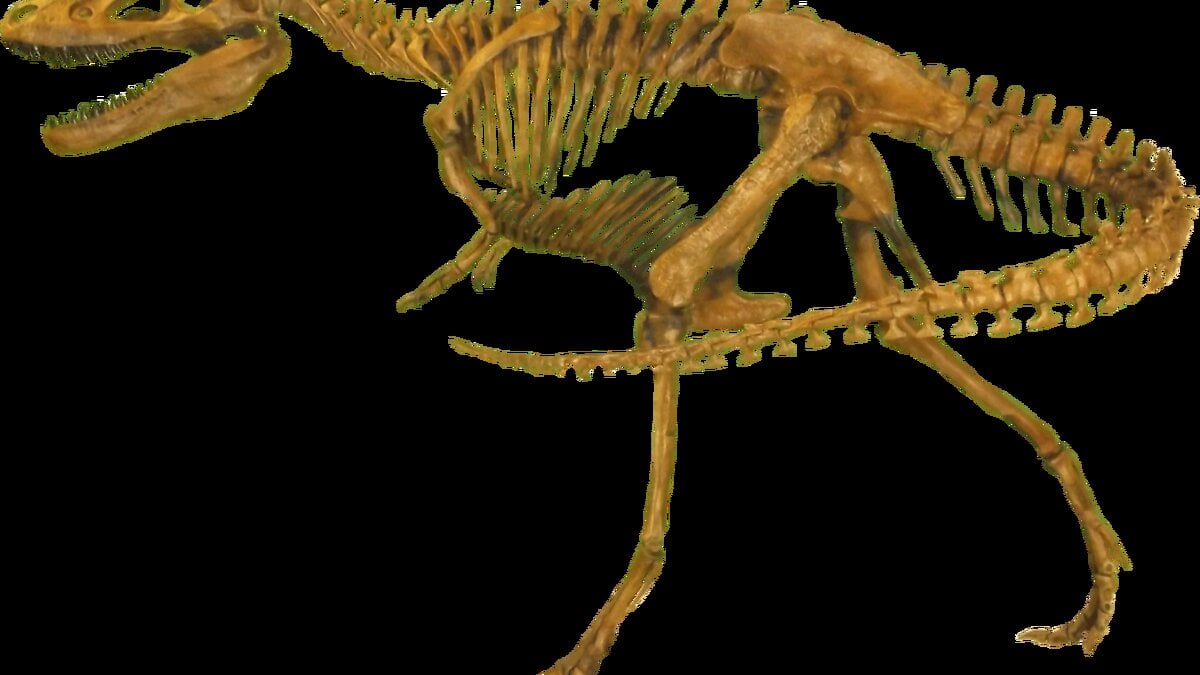
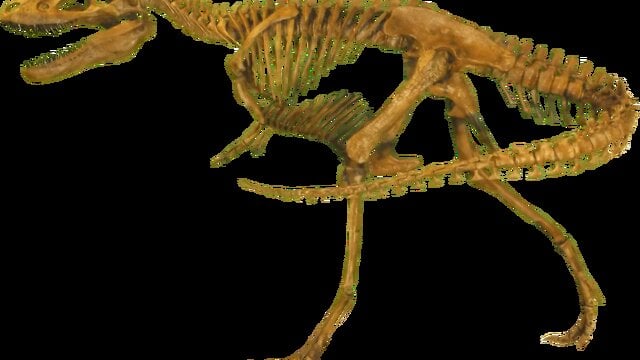
A rare Nanotyrannus skeleton sells for $47.3 million at Sotheby’s in New York, a price that places the fossil second among dinosaur specimens sold at auction. Nicknamed Jodi, the skeleton went to an undisclosed buyer after a 12-minute bidding contest involving six bidders, Sotheby’s said.
The result far exceeded the auction house’s initial estimate of $6 million to $9 million. It also renews a debate over whether significant fossils should pass into private hands or remain accessible to researchers and the public.
A rare skeleton, a record price
Sotheby’s said Jodi comprises approximately 191 fossil bone elements and measures 19.6ft from nose to tail. The skeleton was discovered in 2019 by Jodi Pierson on her privately owned land in the Hell Creek Formation in Montana, near the town of Jordan.
The auction house described the specimen as one of only three substantial Nanotyrannus skeletons known to science. It was the first of the genus to come to market since Nanotyrannus was confirmed as distinct from Tyrannosaurus rex, Sotheby’s said.
That distinction matters. Nanotyrannus had previously been considered by some to be a young T. rex, but Sotheby’s says it has more than 150 morphological differences from its larger relative. The two animals lived alongside each other about 67 million years ago, according to the auction house.
Jodi was unveiled at a Manhattan auction earlier this month. Sotheby’s said the bidding ran for 12 minutes, with six participants competing online and by phone before the winning bid came in by phone. The buyer’s identity has not been made public.
Scientists raise access concerns
The sale has drawn criticism from scientists concerned that a privately owned fossil could be removed from public view and scientific study. Thomas R Holtz Jr, an author and principal lecturer on vertebrate paleontology at the University of Maryland, said his concerns reflected broader objections to multimillion-dollar fossil sales.
Holtz said museums face financial pressure that can be far smaller than the price paid for Jodi. He argued that supporting museum operations could do more for paleontology than buying one specimen, and said the excavation, preparation and mounting of a skeleton like Jodi would probably cost at most $1 million.
There is a direct consequence for the public: if a scientifically significant fossil stays in private hands, researchers may have less opportunity to examine it, and visitors may not be able to see it in a museum. Holtz warned that fossils like Jodi “can be lost to research and the public when they are in private hands”.
Sotheby’s vice-chair and worldwide head of science and natural history, Cassandra Hatton, credited the team involved in excavating and preserving the skeleton. “Their passion and expertise have been fundamental to Jodi’s story,” Hatton said.
The auction house called the result recognition of that work and of public fascination with Nanotyrannus. Its initial estimate had been $6 million to $9 million; the final sale price was $47.3 million.
Source: theguardian.com